
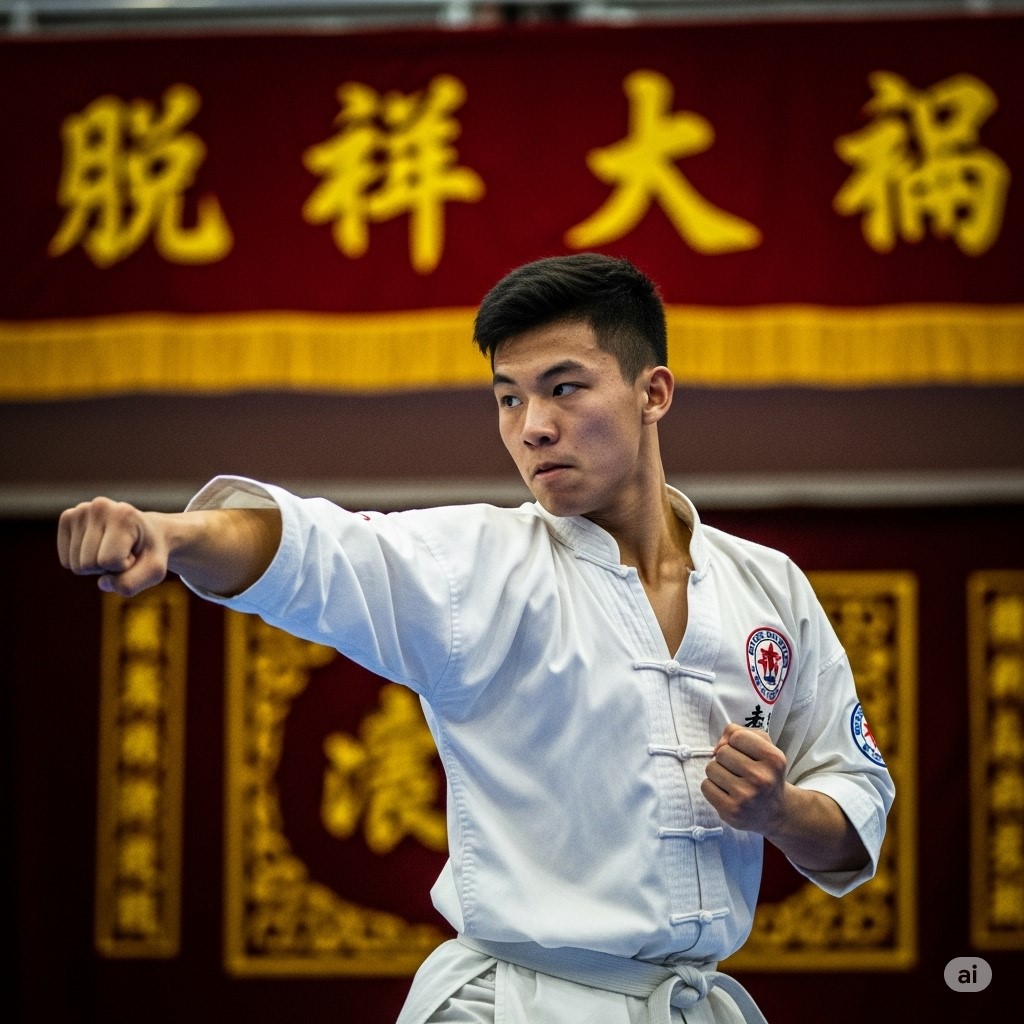
The Art and Sport of Northern Praying Mantis: A Global Martial Phenomenon
Northern Praying Mantis is not just a martial art. It is a global phenomenon and cultural treasure. The style has captured the imagination of martial artists, historians, and sports enthusiasts alike. While it is rooted in ancient Chinese traditions, Northern Praying Mantis has evolved into a vibrant sport practiced by amateurs and professionals worldwide. In this blog post, we will explore the origins, rules, leagues, and global popularity of this compelling martial discipline. The key phrase “Northern Praying Mantis” will guide our journey through its history and modern impact.
Origins and History
The story begins in the late Ming Dynasty of China. Legend credits a martial artist named Wang Lang with the creation of Northern Praying Mantis. According to folklore, Wang Lang observed the praying mantis insect and admired its fighting technique. Inspired, he incorporated its movements into a new martial system.
Wang Lang combined elements from 17 existing martial styles. This synthesis resulted in a unique approach that emphasized speed, precision, and strategy. He also integrated footwork and hand techniques that mimicked the mantis’s strikes and trapping motions. Monks in the Shaolin Temple later refined and preserved the style.
Over the centuries, Northern Praying Mantis spread across China. Different branches and interpretations developed. The most well-known versions include Seven Star, Plum Blossom, and Taiji Praying Mantis. Each style maintains core principles but differs in form and emphasis.
Spread and Global Popularity
Interest in Northern Praying Mantis extended beyond China’s borders during the 20th century. Immigrants brought the style to Southeast Asia, Europe, and North America. Martial arts schools began offering classes and demonstrations.
In the 1970s, martial arts films helped popularize traditional Chinese fighting styles. Movies featuring mantis techniques fascinated Western audiences. As a result, martial arts academies flourished. Northern Praying Mantis was often showcased for its distinctive hand postures and agile footwork.
Today, practitioners span continents. It is taught in dojos, community centers, and universities. The style has a particularly strong following in the United States, Canada, the United Kingdom, and Malaysia. Social media and online platforms have further accelerated its reach. Instructors now offer virtual lessons to students worldwide.
Martial arts festivals frequently include mantis demonstrations. These events attract competitors from diverse cultural backgrounds. International tournaments bring together hundreds of practitioners. They showcase their skills, exchange ideas, and celebrate a shared passion.
Youth and Amateur Participation
Amateur involvement in Northern Praying Mantis begins at an early age. Many schools offer programs tailored for children. These classes teach foundational techniques, discipline, and respect. Young students improve coordination and build confidence.
Secondary schools and colleges have embraced martial arts clubs. Northern Praying Mantis often features prominently in extracurricular programs. Coaches train students for local and regional competitions. Some schools include it in physical education curricula.
Community centers also provide accessible training. Parents appreciate the blend of physical activity and cultural enrichment. Teens often progress into competitive circuits. Tournaments for amateur competitors are held year-round.
Volunteer organizations support youth engagement. They sponsor training camps, scholarships, and travel grants. This outreach ensures that Northern Praying Mantis remains inclusive and vibrant.
Professional Leagues and Competitions
A number of professional leagues promote Northern Praying Mantis on a global scale. These organizations sanction tournaments, set rules, and rank competitors. The International Mantis Federation (IMF) is the largest and most influential body. It oversees world championships and maintains athlete rankings.
Regional leagues operate in Asia, Europe, and North America. The Asian Martial Arts League (AMAL) organizes televised events that draw large audiences. In Europe, the Continental Praying Mantis Union (CPMU) focuses on integrating traditional styles with modern formats.
Professional athletes train full-time. They follow rigorous regimens and receive sponsorships. Many also teach seminars and publish instructional materials. Top competitors enjoy celebrity status within martial arts communities.
Prize money and endorsements have increased in recent years. This growth has helped attract new talent and elevate the sport’s profile. Some athletes transition to mixed martial arts or stunt work in films.
Social and Political Significance
Northern Praying Mantis holds deep cultural and symbolic meaning. In China, it represents resilience, intelligence, and strategic thinking. Practitioners view it as both a physical discipline and a spiritual path.
The art has played a role in diplomacy and cultural exchange. Demonstration teams have toured globally as part of goodwill missions. These efforts promote mutual understanding and appreciation.
Socially, the sport fosters community. Training groups often become support networks. Members build friendships, share traditions, and mentor each other. Martial arts festivals serve as cultural celebrations.
In regions with ethnic tensions, martial arts schools offer a space for unity. People from different backgrounds train together. They develop mutual respect through shared goals.
Additionally, Northern Praying Mantis empowers individuals. Practitioners often report increased self-esteem, focus, and discipline. These benefits extend beyond the dojo into academic and professional life.
Rules and Competitive Structure
The sport of Northern Praying Mantis follows structured rules to ensure fairness and safety. Matches are divided into two main categories: forms (taolu) and sparring (sanda).
In forms competition, athletes perform choreographed routines. Judges score based on technique, rhythm, power, and expression. Movements must align with traditional mantis principles.
Sparring events involve controlled combat. Fighters wear protective gear. Points are awarded for clean strikes, takedowns, and defense. Matches usually consist of three two-minute rounds.
Illegal moves include strikes to the eyes, throat, and groin. Excessive force and unsportsmanlike conduct result in penalties or disqualification. Referees receive extensive training to enforce rules consistently.
Weight classes ensure fair matchups. Both male and female divisions exist. Age groups range from youth to senior.
Competitors train under certified coaches. They study strategy, improve stamina, and rehearse drills. Regular assessments track progress.
Tournaments include elimination rounds and finals. Winners receive medals, titles, and sometimes financial rewards. Teams earn points toward league standings.
Training and Technique
Northern Praying Mantis emphasizes quick, precise strikes. Practitioners train daily to refine reflexes and form. Signature techniques include mantis hooks, pressure point strikes, and sweeps.
Stances are low and grounded. This provides stability and power. Footwork is agile, allowing quick directional changes.
Drills focus on timing, distance, and coordination. Partner exercises develop reaction speed. Shadowboxing improves flow and creativity.
Weapons training is also included. Students learn to handle staffs, swords, and spears. These skills build strength and extend martial knowledge.
Mental preparation is essential. Meditation and breathing exercises enhance focus and calmness. Students cultivate patience and persistence.
Advanced practitioners explore philosophical texts. They study martial ethics and the history of Chinese thought. This deepens their understanding of the art’s roots.
Conclusion
Northern Praying Mantis has journeyed from ancient China to the global stage. Its unique techniques, rich history, and cultural significance continue to inspire people worldwide. From youth programs to professional leagues, the sport thrives in many forms.
As it evolves, Northern Praying Mantis remains true to its origins. It combines physical skill with mental discipline, community with individuality, and tradition with innovation. Whether practiced for fitness, competition, or personal growth, it offers lasting rewards.
Its future looks bright. New generations of martial artists are embracing this legacy. Through their efforts, Northern Praying Mantis will continue to flourish for years to come.