
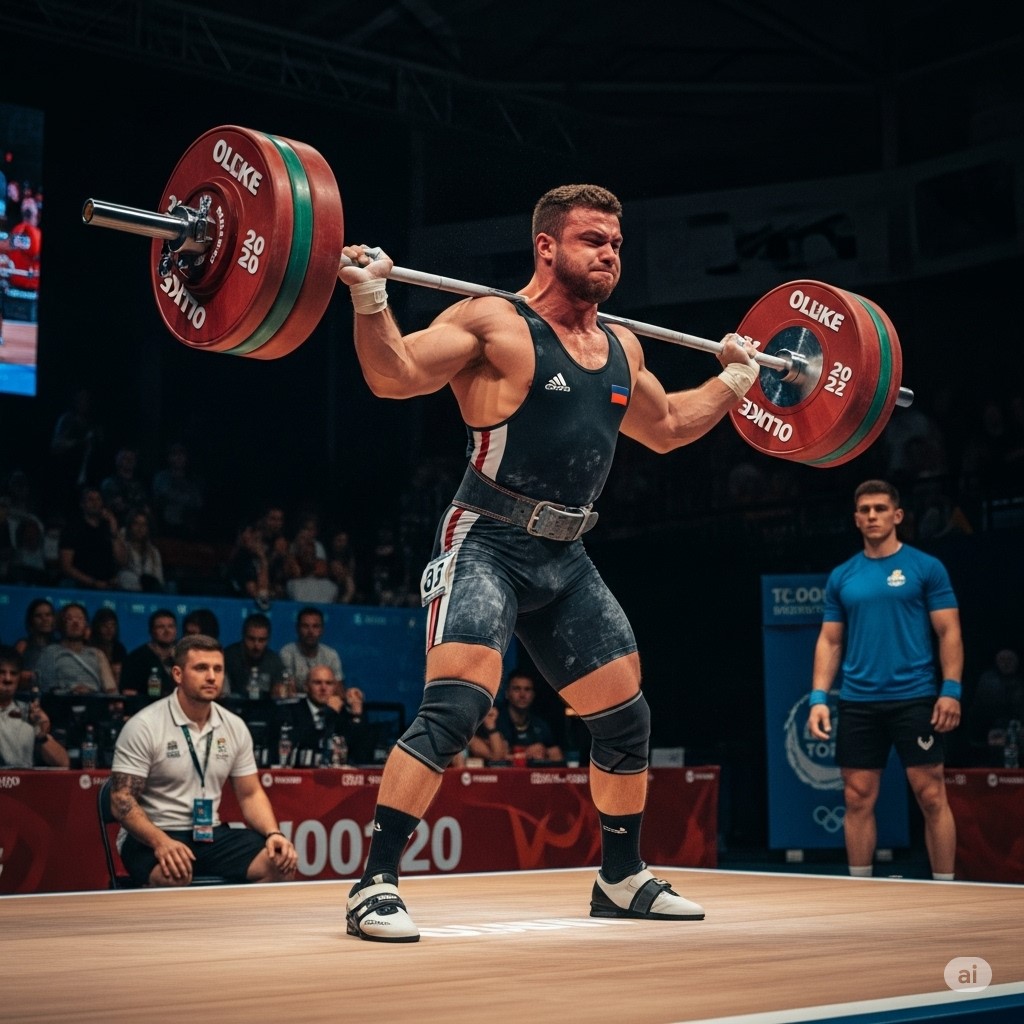
Olympic Weightlifting: A Powerful Sport with Deep Roots and Global Impact
Olympic Weightlifting is a dynamic and physically demanding sport that tests strength, speed, and technique. It has a long and fascinating history that spans centuries. Today, it captivates athletes and fans around the world. Olympic Weightlifting has grown from a niche activity into a respected global sport. Its appeal crosses cultural boundaries and age groups. This blog post explores its history, global popularity, amateur development, professional leagues, political and social relevance, and competition rules.
Origins and Historical Development
Weightlifting has ancient roots. Records show that ancient Egyptians and Greeks practiced lifting heavy stones as a show of strength. However, organized competitions began in the 19th century.
In 1896, weightlifting debuted at the first modern Olympic Games in Athens. Only one-hand and two-hand lifts existed back then. Over time, these lifts evolved into the two current Olympic lifts: the snatch and the clean and jerk.
The International Weightlifting Federation (IWF) was founded in 1905. This marked a major step in formalizing the sport. Standardized rules and weight classes were introduced. In 1920, weightlifting returned to the Olympic Games permanently.
Women joined the Olympic Weightlifting program in 2000. This milestone helped expand the sport’s reach and diversity. Since then, female participation has surged.
Global Popularity and Participation
Olympic Weightlifting enjoys global popularity. Countries from every continent actively participate. China, Russia, and the United States dominate the medal count. However, nations like Iran, Colombia, and Thailand also produce world-class lifters.
Asian countries especially value the sport. In China, state-run sports academies train young lifters early. This system has yielded many Olympic champions. Likewise, nations such as Kazakhstan and North Korea have developed structured training programs.
In Europe, countries like Bulgaria and Romania have a rich history of weightlifting success. These nations use scientific approaches to develop elite athletes. Meanwhile, in the Americas, the sport grows steadily. The United States, Canada, and Brazil have thriving lifting communities.
Africa and Oceania also contribute. Egypt leads the African continent in competition. Australia and New Zealand frequently send lifters to the Olympic Games. These nations promote inclusivity and long-term development.
Amateur Olympic Weightlifting: Youth and Schools
Amateur Olympic Weightlifting serves as the foundation for professional success. Youth programs, school clubs, and grassroots organizations nurture talent from an early age.
In the United States, USA Weightlifting runs youth and junior championships. Many schools and colleges include weightlifting in physical education or athletic programs. Community gyms also host beginner-friendly competitions.
In Europe, school-based systems integrate Olympic Weightlifting into sports education. For example, in Poland and Germany, sports schools offer structured coaching and competition opportunities.
Asian countries maintain highly competitive youth programs. China’s sports schools identify talented children and guide them through rigorous training. South Korea and Japan follow similar models.
In developing nations, NGOs and international federations support grassroots initiatives. These programs provide equipment and coaching in underserved areas. They promote fitness and community building through sport.
Online platforms have also revolutionized amateur training. Athletes access coaching, video analysis, and competitions through digital means. This accessibility helps grow the sport even in remote areas.
Professional Leagues and International Competitions
Olympic Weightlifting lacks traditional professional leagues like those in basketball or soccer. However, international competitions and national teams create career opportunities.
The International Weightlifting Federation (IWF) hosts the World Championships annually. This event features the best lifters across multiple weight categories.
The Olympic Games remain the pinnacle. Success here defines an athlete’s legacy. Continental championships—such as the European, Asian, and Pan-American Championships—also play crucial roles.
In the United States, professional lifters often train at specialized centers. They receive support through sponsorships, grants, and stipends. USA Weightlifting funds elite athletes to help them train full-time.
The rise of social media has created new revenue streams. Many elite lifters build personal brands online. They offer coaching, merchandise, and digital content.
Some commercial leagues have emerged. For instance, the World Weightlifting League and other invitation-only meets offer cash prizes. These events showcase top talent in exciting formats.
CrossFit has also boosted professional opportunities. Many CrossFit athletes transition into or from Olympic Weightlifting. Their exposure brings the sport to a broader audience.
Political and Social Significance
Olympic Weightlifting holds deep political and social meaning. Historically, it symbolized national pride, especially during the Cold War. Soviet and American lifters competed fiercely to demonstrate superiority.
Today, the sport remains a source of national pride. Countries celebrate their lifters as heroes. Government support often follows international success.
Socially, Olympic Weightlifting breaks barriers. It promotes gender equality, especially since women joined the Olympic program. Female lifters challenge stereotypes and inspire others.
The sport also supports inclusion. Adaptive lifting programs include athletes with disabilities. These programs foster empowerment and visibility.
Olympic Weightlifting teaches discipline, resilience, and goal-setting. These values positively impact communities. Lifters often become role models in their regions.
However, the sport faces challenges. Doping scandals have tarnished its image. In response, international federations have implemented strict testing protocols. The IWF now emphasizes clean sport initiatives.
Reform efforts aim to improve governance and transparency. These changes are necessary for long-term sustainability.
Rules and Competition Format
Olympic Weightlifting includes two lifts: the snatch and the clean and jerk. Each lifter gets three attempts at each lift.
The snatch involves lifting the barbell from the floor to overhead in one motion. It requires speed, balance, and flexibility.
The clean and jerk is a two-part lift. First, the lifter brings the bar to the shoulders (clean). Then, they drive it overhead (jerk).
A panel of referees judges each lift. At least two of three referees must approve for a lift to count. Judges look for control, stability, and proper form.
Lifters compete in bodyweight categories. This ensures fairness and competition across different sizes. Both men and women have distinct classes.
The highest successful attempt in each lift counts. The total is the sum of the best snatch and best clean and jerk. The athlete with the highest total wins.
In case of a tie, the lifter with the lower body weight prevails. If still tied, the lifter who reached the total first wins.
Lifting gear includes a singlet, weightlifting shoes, and a belt. Wrist wraps, knee sleeves, and chalk are also common.
Strict rules govern equipment and technique. Any deviation results in a failed lift. Coaches play key roles in strategy and motivation.
Timing is crucial. Lifters have one minute to begin their lift after being called. This adds a layer of pressure to the competition.
Warm-up areas and attempt selection are managed strategically. Coaches monitor competitors and adjust weights accordingly.
The sport requires both physical and mental preparation. Athletes must focus, recover quickly, and perform under stress.
Conclusion
Olympic Weightlifting is more than lifting heavy weights. It’s a sport rooted in history, driven by passion, and shaped by global cultures. From ancient feats of strength to modern Olympic triumphs, its journey is remarkable.
Around the world, lifters of all ages and backgrounds train with dedication. Whether amateur or elite, they contribute to a vibrant community. The sport continues to evolve and inspire.
As Olympic Weightlifting faces new challenges and opportunities, its core values remain unchanged. Strength, perseverance, and excellence define it.
Whether on a platform in Tokyo, a school gym in Berlin, or a garage in Nairobi, the barbell connects lifters across the globe. Through sweat and grit, they celebrate a timeless pursuit: lifting oneself and others to greater heights.