
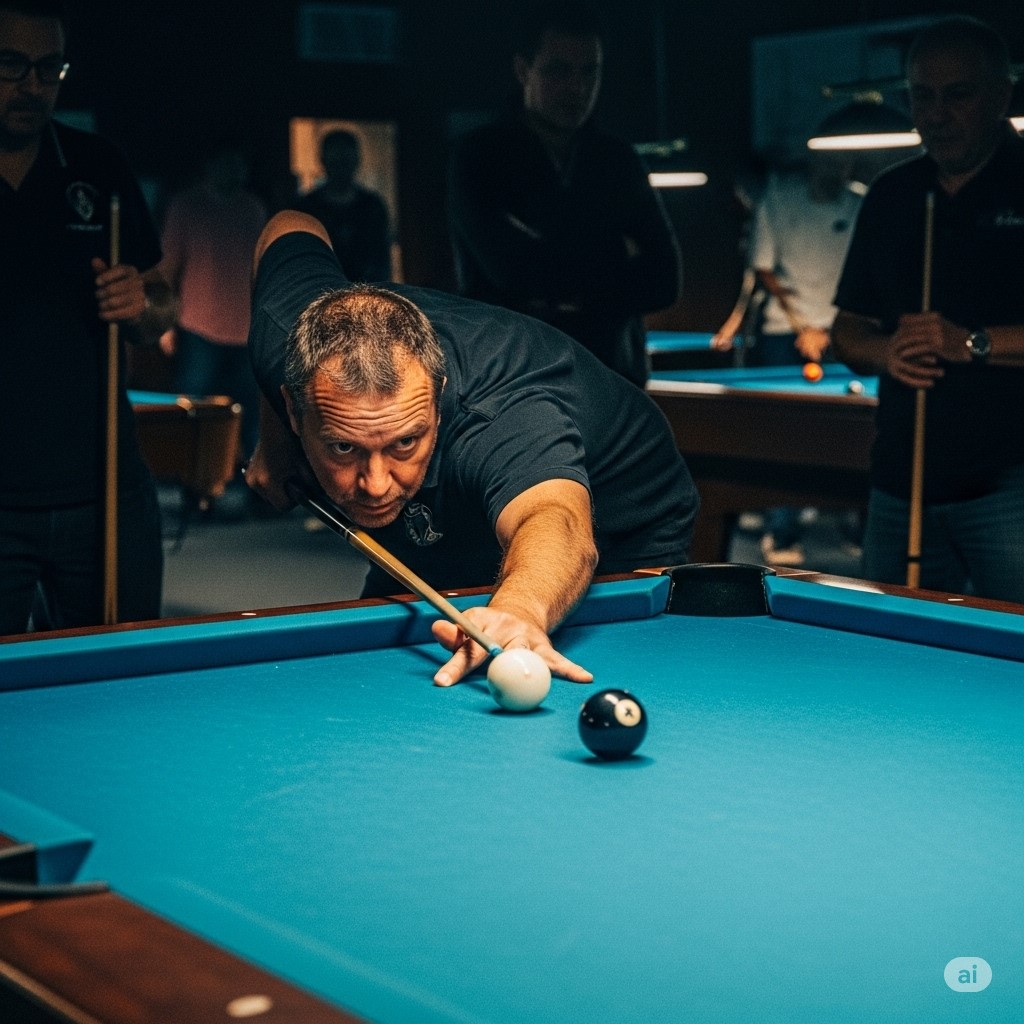
The Strategic Sport of One Pocket Billiards: A Deep Dive into Its History, Rules, and Global Impact
One Pocket Billiards stands apart in the world of cue sports. This game emphasizes precision, patience, and tactical thinking. Played with just one designated pocket per player, it demands a higher level of skill than most billiard games. Fans and players around the world admire One Pocket Billiards for its strategic depth. The sport has grown steadily, earning respect in both amateur and professional circles. Understanding its roots and its global impact reveals why this cue sport deserves wider recognition.
The Origins and History of One Pocket Billiards
One Pocket Billiards emerged in the early 20th century in the United States. Unlike other billiards games that focused on pocketing as many balls as possible, One Pocket introduced a different challenge. Each player had to score points by pocketing balls into only one pocket. The game encouraged defensive tactics and required mastery over cue ball control.
Hayden W. Lingo, often called the father of One Pocket, helped define the rules and style of play. He documented the rules in the 1960s, shaping the competitive structure that still exists today. Lingo was not only a top player but also a strategist. His ideas turned a barroom pastime into a legitimate sport.
Through the 1950s and 1960s, One Pocket Billiards became popular in American pool halls. Players appreciated the mix of offense and defense, often likening the game to chess on a pool table. As tournaments gained popularity, the game evolved. Professional players such as Ronnie Allen and Grady Mathews elevated One Pocket’s profile during this era.
With time, more pool halls adopted the game, especially in the southern and midwestern United States. It became a staple in cities like Chicago, New Orleans, and Philadelphia. As television began covering cue sports, One Pocket received increased attention. Commentators highlighted the intense psychological battle that characterized every match.
Global Popularity of One Pocket Billiards
Although it began in the U.S., One Pocket Billiards has since spread worldwide. Countries like Canada, the Philippines, and parts of Europe now host local One Pocket tournaments. Players and fans in the Philippines particularly admire the game’s complexity. Filipino pool legends often include One Pocket in their repertoire.
In Europe, the sport has found a niche community of dedicated players. The United Kingdom, Germany, and Poland feature billiards clubs where One Pocket is a preferred game. These clubs often offer training sessions and promote local competitions. Online forums and YouTube channels further support the sport’s international visibility.
The game has also found popularity in Central and South America. In nations like Mexico and Colombia, players embrace the strategic side of the game. Informal matches often draw crowds, showcasing the respect the game commands. Meanwhile, social media has helped connect players globally. Communities now exchange techniques, game footage, and training tips across continents.
Despite its global spread, the U.S. remains the stronghold of professional One Pocket play. However, with continued promotion and international exposure, the game’s global popularity continues to rise.
Amateur One Pocket Billiards: Youth and School Programs
Amateur One Pocket Billiards has gained ground in educational and youth settings. Several billiard associations in the U.S. have created junior leagues to promote the game. These programs introduce the rules and techniques to young players. Often, the emphasis is on developing concentration and strategic thinking.
In some high schools, billiards clubs offer One Pocket as part of after-school activities. Coaches emphasize good sportsmanship, patience, and skill development. These clubs often partner with local pool halls to give students real-world playing experience. Players can enter local tournaments to test their skills and gain confidence.
Community centers also support youth development through One Pocket. Volunteers and retired players often serve as mentors. They help young people learn both the mechanics and the mindset of the game. This mentorship model fosters discipline and promotes healthy competition.
Outside the U.S., similar trends have emerged. In the Philippines, youth are often introduced to One Pocket in local clubs. Many of the country’s top players started in such settings. In Europe, clubs in Poland and the UK have youth outreach programs. These programs ensure that the next generation appreciates and continues the sport.
Professional Leagues and Tournaments Around the World
One Pocket Billiards boasts several prestigious professional leagues. In the United States, the Derby City Classic is the most famous. This annual event gathers the best players for a multi-day competition. Fans flock to see their favorite pros play One Pocket, bank pool, and 9-ball.
The One Pocket Hall of Fame, established in 2004, recognizes players and contributors. Inductees like Efren Reyes and Cliff Joyner have helped raise the game’s profile. Their influence encourages younger players to aim for professional excellence.
The U.S. Pro Billiard Series includes One Pocket divisions in select events. Players earn ranking points and cash prizes, increasing the sport’s legitimacy. Streaming services now broadcast matches live, allowing global audiences to tune in. Commentary often provides in-depth analysis, enriching the viewing experience.
Outside the U.S., the Filipino pool circuit includes One Pocket events. Legends such as Francisco Bustamante and Alex Pagulayan have played pivotal roles. In Europe, organizations like the European Pocket Billiard Federation have expressed interest in promoting the game.
International tournaments occasionally feature One Pocket as a side event. While not yet as widespread as 9-ball or snooker, the game’s niche appeal is growing. With more exposure, One Pocket could soon become a fixture in international cue sports.
Political and Social Significance of One Pocket Billiards
One Pocket Billiards holds cultural and social significance beyond the table. Historically, it has served as a social equalizer. In many American cities, pool halls offered a safe haven for people of different backgrounds. These venues brought together individuals who might never interact elsewhere.
During the civil rights movement, pool halls provided spaces for dialogue. In several cities, community leaders used billiard venues to organize and discuss issues. One Pocket’s emphasis on strategy made it a favorite among thinkers and activists.
The sport has also had economic implications. Pool halls created local jobs and stimulated business in surrounding areas. In neighborhoods with few recreational outlets, these venues offered constructive activities. Young people found purpose and discipline in learning the game.
Globally, One Pocket promotes cultural exchange. International tournaments bring players together from different nations and traditions. These gatherings foster understanding and appreciation across cultures. The sport’s emphasis on mental skill also challenges stereotypes about physicality in sports.
Politicians and celebrities have occasionally supported One Pocket events. Their presence helps draw attention to the sport’s broader impact. Some organizations even use the game for fundraising and community building. Thus, the sport serves as a bridge—uniting people socially, culturally, and even politically.
Rules and Structure of One Pocket Billiards
One Pocket Billiards is played on a standard pool table with 15 object balls and a cue ball. The break shot begins the game, with all 15 balls racked as in traditional 8-ball or 9-ball. However, the key difference lies in the scoring and strategy.
Each player is assigned one of the two corner pockets at the foot of the table. Only balls legally pocketed into that pocket count toward their score. The opponent cannot score in that same pocket. To win, a player must legally pocket eight balls into their assigned pocket.
A legal shot requires the cue ball to contact an object ball and drive it to a rail or pocket. Players can use bank shots, combinations, and defensive plays. Safety play is a vital part of One Pocket. Blocking your opponent’s pocket or hiding the cue ball is a common tactic.
Fouls result in penalties. Common fouls include failing to hit a rail after contact, pocketing a ball in the wrong pocket, or scratching. Penalties usually include loss of a point and the incoming player gets ball-in-hand behind the headstring.
Matches are often played as races to a set number of games. Tournament formats may include single or double elimination. Strategy plays a more significant role than in faster-paced billiards games.
Knowledge of angles, cue ball control, and patience are crucial. Players must think several shots ahead. This makes One Pocket a mentally demanding game. Observers often compare it to chess, due to the strategic foresight involved.
Conclusion
One Pocket Billiards continues to thrive because of its depth and elegance. From its humble beginnings in American pool halls, it has grown into a respected global sport. Players of all ages and backgrounds now embrace its unique blend of skill and strategy.
The game’s rules foster discipline, while its social value enriches communities. Youth programs and professional leagues keep the sport alive. Meanwhile, its influence reaches beyond the felt-covered tables. Politically, economically, and culturally, One Pocket leaves a mark wherever it’s played.
For those seeking a rewarding and strategic cue sport, One Pocket Billiards offers unmatched richness. Its legacy and future promise a sport worth celebrating and expanding across the globe.