
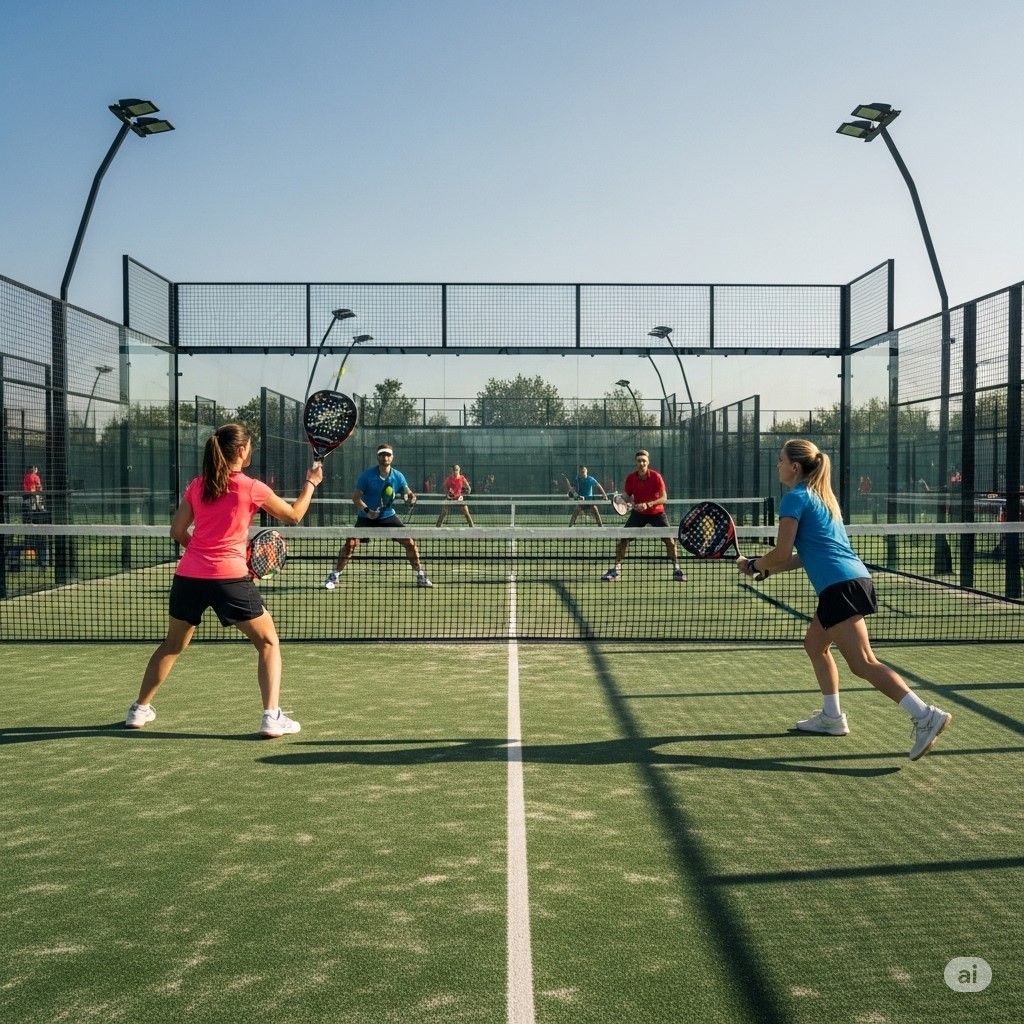
Padel Tennis: The Fastest-Growing Racquet Sport in the World
Padel Tennis has emerged as one of the most exciting and accessible sports today. With its dynamic gameplay, social appeal, and growing global reach, this unique racquet sport has captured the interest of millions. It blends the best elements of tennis and squash, creating a fast-paced experience that appeals to players of all ages and skill levels.
In recent years, Padel Tennis has exploded in popularity. Enthusiasts play in over 90 countries and this continues to expand rapidly. But where did this sport come from? Why is it gaining traction so quickly? What are the rules, leagues, and cultural impacts that make it so significant? This post dives deep into those questions and more.
The Origin and History of Padel Tennis
Padel Tennis traces its roots to Mexico in 1969. Enrique Corcuera, a wealthy businessman from Acapulco, is credited with inventing the sport. He didn’t have enough space for a full tennis court on his property. So, he improvised. He built a smaller court, enclosed it with walls, and introduced a few unique rules. What started as a backyard modification became the foundation of a new sport.
The game caught the attention of his Spanish friend, Alfonso of Hohenlohe. He brought the concept to Marbella, Spain, and helped establish the first European padel club in 1974. From there, the sport quickly spread to Argentina. By the 1980s, it had become a national phenomenon there.
Over the next few decades, Padel Tennis grew steadily. In 1991, the International Padel Federation (FIP) was formed to govern the sport worldwide. This marked a turning point. It brought structure and legitimacy, which paved the way for international tournaments and leagues.
The Global Popularity of Padel Tennis
Today, Padel Tennis is not just a Latin American or European pastime. It has become a global sport.
Spain Leads the Charge
Spain stands as the undisputed leader in terms of popularity. Over 5 million people in Spain play the sport regularly. The country has more than 20,000 courts, and demand continues to rise. Padel Tennis is the second-most-played sport in Spain, after soccer.
Argentina: A Cultural Staple
In Argentina, padel holds cultural and social significance. The sport is woven into daily life and is a favorite among families and communities. Many parks and clubs include padel courts, making the sport extremely accessible.
Growth in the Middle East
Countries like the United Arab Emirates and Saudi Arabia have embraced padel with enthusiasm. Wealthy investors have poured millions into padel facilities. Tournaments and celebrity events have fueled its visibility and appeal.
Europe Expands Rapidly
France, Italy, Sweden, and the UK are investing heavily in the sport. Sweden, for example, has seen padel clubs triple in number since 2020. France hosted the World Padel Tour in 2022, solidifying its place on the global stage.
Emerging in the United States
Though still in its infancy in North America, the U.S. is catching up. Organizations like USA Padel are actively promoting the sport. Cities like Miami, Los Angeles, and New York are building courts at a fast pace.
How Amateur Padel Tennis Is Played Worldwide
Padel Tennis is uniquely positioned for amateur play due to its simple rules and social nature. Unlike traditional tennis, the learning curve is gentle. Players can start having fun almost immediately.
Clubs and Recreational Centers
Across Europe and Latin America, clubs host amateur leagues. These cater to various skill levels, from beginners to semi-pro players. Matches often follow the same format as professional ones, just with a more relaxed atmosphere.
Schools and Youth Programs
In Spain and Argentina, schools have embraced padel as part of physical education. Kids as young as six can learn the basics. Younger players often use lightweight rackets and play on smaller courts.
Youth academies also exist. These programs develop skills and instill a love for the sport early on. Some even partner with professional clubs to create talent pipelines.
Community Involvement
Padel is easy to pick up but challenging to master. This balance makes it ideal for families and community groups. Many public parks in Europe and Latin America now include padel courts. Tournaments and round-robin events bring people together in fun, low-pressure environments.
Professional Leagues and International Tournaments
Padel Tennis has not only captivated casual players. It has also built a robust professional scene. Several leagues and organizations drive the competitive side of the sport.
World Padel Tour (WPT)
Founded in 2013, the World Padel Tour is the premier professional circuit. It features the top-ranked male and female players. The WPT holds tournaments in cities across Europe and the Americas.
Matches are streamed globally, and the tour has developed a large fanbase. Sponsorship deals and media coverage continue to grow each year.
Premier Padel
Launched in 2022 with backing from the International Padel Federation, Premier Padel aims to create a global, unified tour. It offers ranking points, high prize money, and top-tier venues. Many believe it will eventually rival or even merge with the WPT.
FIP Events
The International Padel Federation hosts its own events, including the Padel World Championships. These competitions involve national teams from across the globe. Categories include men’s, women’s, and junior levels.
Regional and National Leagues
Countries like Spain and Argentina run thriving domestic leagues. These often act as feeders to the international circuit. Italy, France, and Sweden have also developed national tournaments with rising stars.
The Political and Social Significance of Padel Tennis
Padel Tennis carries more weight than just recreational or professional interest. It plays a role in politics, social dynamics, and even economic development.
Gender Equality
One of the sport’s biggest strengths is its inclusivity. Men and women compete on equal footing. Mixed doubles are common. Female participation is high, particularly in Europe and South America. Many pro events now offer equal prize money for men and women.
Economic Impact
The sport fuels economic growth. Equipment sales, court construction, coaching, and tourism all benefit. In Spain alone, padel-related business generates hundreds of millions annually. New jobs are created in both urban and rural areas.
Urban Renewal
Padel facilities often pop up in underused urban areas. Abandoned lots and old warehouses get repurposed into vibrant community hubs. This revitalization promotes health, safety, and social cohesion.
Political Involvement
In places like Argentina and the UAE, government officials actively support padel. They fund court construction and youth programs. The sport is seen as a tool for national pride and international recognition.
Social Bonding
Padel is more than just exercise. It builds community. The doubles format encourages communication and teamwork. Clubs often include cafes and lounges, making them social centers as well as athletic facilities.
Rules of Padel Tennis: A Comprehensive Guide
Understanding the rules helps both players and spectators enjoy the sport more. Here’s a detailed breakdown of how Padel Tennis is played.
The Court
A padel court measures 20 meters long by 10 meters wide. It’s enclosed by walls made of glass or mesh. The net divides the court into two halves. Serves must be made diagonally, like in tennis.
Equipment
Players use solid, stringless rackets with perforated surfaces. Balls are similar to tennis balls but slightly less pressurized. Standard sports attire and non-marking shoes are recommended.
Basic Gameplay
- Format: Doubles is the standard format. Singles courts exist but are rare.
- Serve: The serve is underhand. The ball must bounce once behind the service line and below waist height before being hit.
- Scoring: Scoring is identical to tennis: 15, 30, 40, game. Matches are usually best of three sets.
- Walls in Play: Players can use walls to return shots after the ball bounces. If the ball hits the wall before bouncing, it’s out.
- Let Rule: If the serve touches the net but still lands in the correct box, a let is called, and the serve is replayed.
- Faults: Double faults, volleys into the net, or balls hit out of bounds result in lost points.
Strategy
Teamwork is crucial. Players must communicate constantly. Positioning matters. Staying close to your partner and controlling the net are common tactics.
Penalties
Infractions like racket abuse, verbal abuse, or stalling can result in warnings or point deductions. The rules promote fair play and respect for opponents and officials.
Conclusion
Padel Tennis has proven to be more than a passing trend. With its humble origins in Mexico, the sport has evolved into a global powerhouse. Countries around the world have embraced it at both amateur and professional levels.
Its simple rules, social structure, and accessibility make it ideal for schools, families, and communities. Professional leagues like the World Padel Tour and Premier Padel attract top talent and global audiences.
The sport also holds cultural and economic significance. It encourages gender equality, urban renewal, and social bonding. Government support and media coverage continue to boost its growth.
Understanding the rules and history of Padel Tennis enhances appreciation for its unique charm. Whether you’re picking up a racket for the first time or watching a championship match, the sport offers something for everyone.
As more courts open and more people play, the future of Padel Tennis looks bright. Its rise shows no signs of slowing down. Now is the perfect time to get involved in one of the world’s fastest-growing sports.