
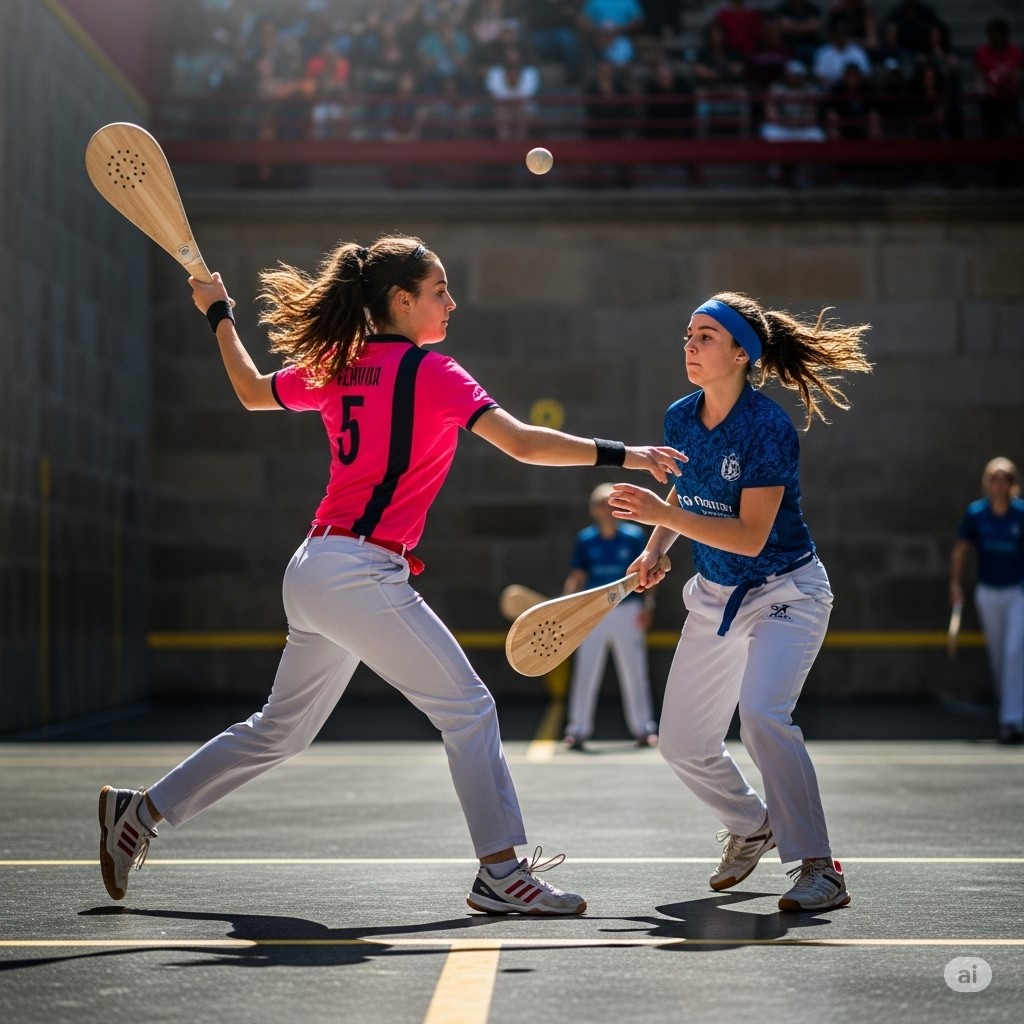
Paleta Fronton: Peru’s Fast-Paced National Treasure
Paleta Fronton is one of the fastest and most intense racquet sports in the world. Developed in Peru, this homegrown sport combines athleticism, strategy, and cultural pride. While relatively unknown in many parts of the globe, its reach is slowly expanding thanks to passionate fans and athletes. Paleta Fronton thrives in Peru, plays a strong role in community development, and increasingly sparks interest abroad. This blog will take you deep into the world of Paleta Fronton—its origin, rules, amateur and professional scenes, and broader impact.
The Origins and History of Paleta Fronton
The story of Paleta Fronton begins in the early 20th century in Lima, Peru. Spanish colonizers introduced the game of Basque pelota to the region. Over time, the game evolved into something uniquely Peruvian. Around 1945, sports enthusiasts in Lima adapted Basque pelota using Peruvian materials, local customs, and available space.
The primary difference lay in the equipment and environment. Players switched from stone or clay courts to concrete walls, often found in public parks. They replaced wooden paddles with Peruvian-manufactured rackets and changed scoring systems. These innovations gave birth to Paleta Fronton as a distinct sport.
By 1947, Paleta Fronton had developed a loyal following. The Peruvian Sports Institute (IPD) officially recognized it in the 1980s. Since then, the sport has received national funding, gained organizational structure, and established a stronghold in Peruvian athletics.
Today, it symbolizes national identity. Many consider it a cultural treasure akin to Peruvian cuisine or dance. Fans view matches with the same fervor as they do football, and players train with elite dedication.
The Global Reach and Popularity of Paleta Fronton
While Paleta Fronton originated in Peru, its influence has begun to stretch beyond its borders. Primarily played in South America, the sport has small but growing communities in countries such as Chile, Argentina, and Ecuador. These nations have adopted Paleta Fronton thanks to cultural exchange and cross-border athletic events.
Recently, interest has emerged in Europe and North America. In cities with large Peruvian diasporas—like Madrid, Miami, and New York—Paleta Fronton clubs have sprouted. Though participation remains modest, enthusiasm is high. Social media has played a major role in this global exposure. Videos showcasing the speed and excitement of the sport have gone viral.
International tournaments have also helped boost awareness. Friendly exhibitions during multi-sport events like the Pan American Games have introduced Paleta Fronton to curious spectators. Additionally, embassies and cultural associations sponsor exhibitions and workshops around the world.
Despite limited global reach, the potential for expansion remains strong. The sport’s low barrier to entry and visual appeal make it an ideal candidate for growth. Organizations are now working toward international standardization and promotion to bring Paleta Fronton to a wider audience.
Amateur Play Around the World: Youth, Schools, and Community
Paleta Fronton thrives at the grassroots level, especially in Peru. Children start playing as early as age six. Schools often include it in physical education programs. Public courts are available in most major cities, making access easy and free. In urban neighborhoods, young players often compete after school or on weekends.
The Peruvian Paleta Fronton Federation (FPFP) organizes local tournaments and training sessions. These initiatives help nurture talent from a young age. School leagues and municipal competitions build competitive instincts and sportsmanship among youth.
In recent years, NGOs and civic organizations have used Paleta Fronton as a tool for social development. Programs in underserved communities promote the sport to keep kids active and focused. These efforts reduce school dropouts and even lower crime rates in some areas.
Outside Peru, amateur play is less formal but growing. In Miami, volunteer coaches run weekly clinics for Peruvian-American kids. In Madrid, community centers organize summer camps featuring the sport. These small initiatives keep the sport alive abroad and build future champions.
Amateur Paleta Fronton teaches more than athleticism. It fosters discipline, respect, and community spirit. Because of its inclusive nature, anyone with basic gear can start playing. The community aspect helps the sport thrive, even without major funding.
Professional Leagues and Competitive Play
Professional Paleta Fronton has come a long way since its humble beginnings. In Peru, the top league is governed by the FPFP. This body oversees tournaments, rankings, athlete certifications, and coaching standards. The National Championship, held annually, attracts the best players in the country. The finals are broadcast on national television and streamed online.
Top players, such as Kevin Martínez and Claudia Suárez, enjoy celebrity status. Their matches draw hundreds of fans and receive media coverage. Prize money and sponsorships, though modest, are improving yearly.
The professional circuit includes several key events:
- National Open
- Municipal League Championships
- University Tournaments
- Invitational World Series
Although most events take place in Peru, occasional tournaments are held in other Latin American countries. Chile and Argentina have hosted invitational matches, boosting the sport’s regional profile. Players from other nations are invited to compete and experience Paleta Fronton firsthand.
Efforts are underway to create a South American league, including Ecuador, Bolivia, and Colombia. The long-term vision includes forming a world federation to coordinate international competitions. These steps are crucial for Olympic consideration, which remains a goal for many supporters.
Sponsorship and media partnerships are growing slowly. Local brands in Peru already sponsor tournaments, while regional sports channels cover matches. Increased visibility will likely attract bigger investors and create a viable professional ecosystem.
Political and Social Significance of Paleta Fronton
Paleta Fronton is more than just a sport in Peru—it’s a symbol of national identity. Because it was invented locally, many Peruvians feel a personal connection to it. Politicians often reference it as a cultural point of pride. During national holidays, Paleta Fronton exhibitions are part of the celebration schedule.
Public investment in Paleta Fronton is also a political act. Officials promote it as a way to strengthen Peruvian heritage and provide opportunities for youth. Programs in schools and neighborhoods align with broader social goals, including health, education, and community cohesion.
The sport also helps bridge social divides. It is popular among both working-class communities and elite athletes. Public courts ensure that economic status does not limit access. Some of the country’s top players came from low-income backgrounds, proving that talent, not wealth, determines success.
Gender equality in Paleta Fronton is notable. Women’s competitions receive almost equal media attention and prize money. Female athletes like Claudia Suárez have become role models for young girls across the country.
On a global level, Paleta Fronton plays a soft-power role for Peru. Embassies and cultural attachés use it in diplomacy. Sport diplomacy builds friendships and showcases Peru’s creative spirit.
In short, Paleta Fronton unites people, uplifts communities, and expresses national values. Its significance extends far beyond the court.
Rules and Gameplay of Paleta Fronton
Understanding the rules is essential to appreciating Paleta Fronton. The game is played one-on-one in most cases, though doubles versions also exist. The court consists of a concrete front wall (the frontis), a rectangular playing area, and boundary lines. Standard court dimensions are 12 meters wide and 18 meters long.
Equipment
- Paddle: Known as “paleta,” it is made of wood or composite materials.
- Ball: A black rubber ball, 5.5 centimeters in diameter, is used.
- Court: Usually made of concrete with a large vertical front wall.
Objective
The objective is to hit the ball against the front wall in such a way that the opponent cannot return it within the allowed space or number of bounces.
Scoring System
- A match is played to 21 points.
- Players must win by at least two points.
- Only the server can score a point.
Serve Rules
- The server must bounce the ball behind the service line and hit it against the front wall.
- The ball must land within the opponent’s playing zone after bouncing off the front wall.
Rally Rules
- Players alternate hitting the ball.
- The ball may bounce once before returning.
- The rally ends when one player misses or hits out of bounds.
Faults and Penalties
- Hitting the ball out of bounds results in a point for the opponent.
- Double faults during the serve lose the rally.
- Players must respect court boundaries and conduct codes.
Officials and Monitoring
- Professional games have umpires, line judges, and scorekeepers.
- Amateur matches often use mutual trust and peer adjudication.
This straightforward rule set makes Paleta Fronton accessible to beginners. At the same time, mastering it requires years of training and practice.
Conclusion
Paleta Fronton is more than a sport—it is a vibrant cultural expression, a social unifier, and a competitive discipline. From its roots in mid-century Lima to its slow but steady global expansion, the game has proven both adaptable and enduring. Whether played on a public court in Peru or at a community center in Spain, it brings people together.
Its rules are easy to learn, making it inviting to new players. Its professional scene continues to grow, offering inspiration and visibility. Perhaps most importantly, Paleta Fronton offers a unique way to connect youth, communities, and nations.
For those seeking a fast-paced, meaningful sport with deep cultural roots, Paleta Fronton delivers on all fronts. Whether you’re a casual observer, a budding athlete, or a policymaker, this sport offers something of value. So next time you hear the thud of a rubber ball hitting concrete, take a moment to appreciate the powerful story behind Paleta Fronton.