
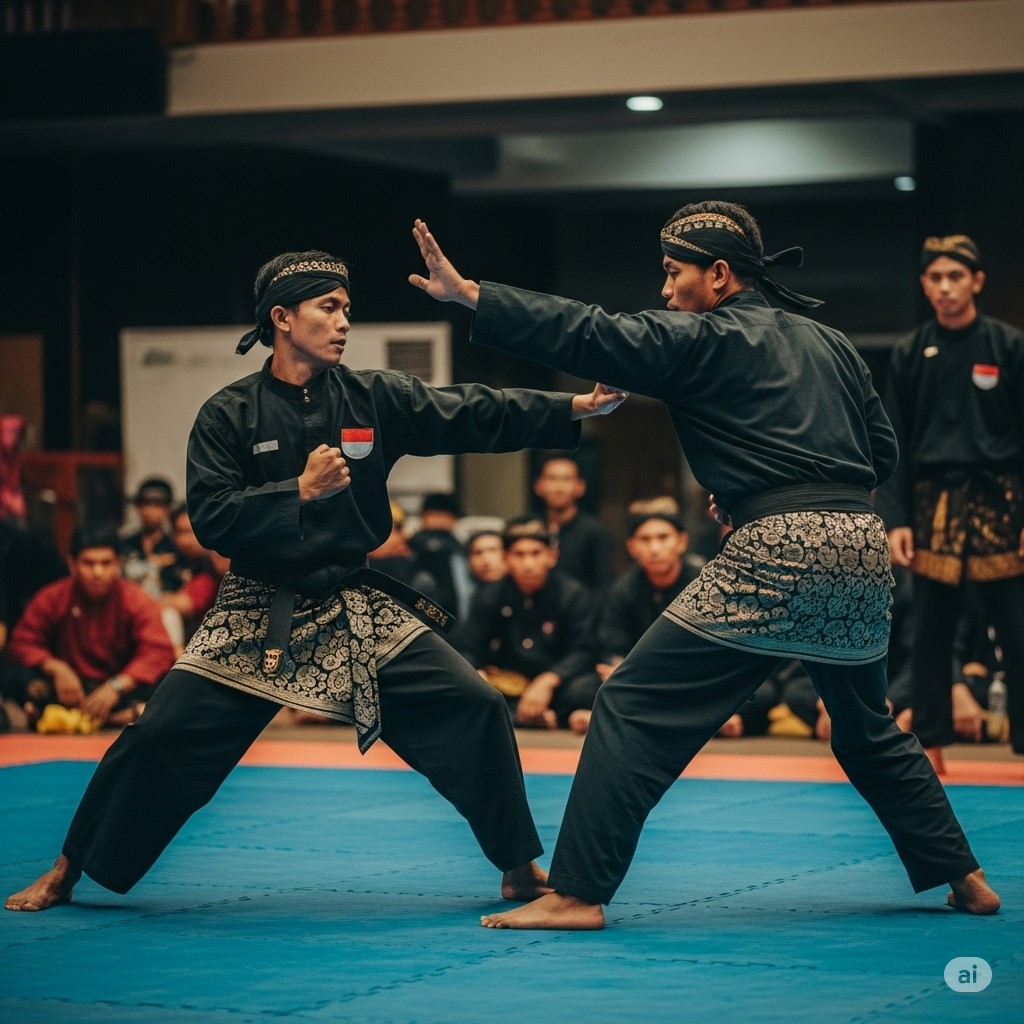
Pencak Silat is a dynamic martial art deeply rooted in Southeast Asian culture. With a history that spans centuries, this unique fighting style has evolved into both a competitive sport and a revered cultural tradition. Originating in Indonesia, Pencak Silat combines strikes, grappling, and weaponry into a fluid and artistic discipline. The sport showcases not only physical prowess but also discipline, respect, and spiritual elements. Today, Pencak Silat enjoys growing global recognition, from small local tournaments to international championships.
Origins and Historical Roots
The roots of Pencak Silat can be traced back over 1,000 years. Indigenous tribes across the Indonesian archipelago developed it as a means of self-defense. Ancient carvings and scriptures from Sumatra and Java depict early forms of this martial art. As kingdoms rose and fell, the style spread through trade and conquest. Cultural exchange between Malay, Indian, and Chinese traditions enriched its techniques.
Historically, warriors and village protectors practiced Pencak Silat. It became a critical tool for resistance during colonial invasions. Guerrilla fighters used its tactics to outmaneuver foreign forces. Over time, schools or “perguruan” formed, preserving distinct regional styles. Each style reflected its community’s values, terrain, and local history.
By the 20th century, efforts to unify these styles began. The Indonesian Pencak Silat Association (IPSI) was founded in 1948. Its creation marked a turning point, standardizing training and competition rules. This formalization helped Pencak Silat gain international attention.
Global Popularity and Reach
Though born in Indonesia, Pencak Silat now thrives worldwide. Countries like Malaysia, Singapore, and Brunei maintain strong traditions. Each nation adds its own cultural flavor, enhancing the sport’s diversity. The martial art gained traction in Europe and the Americas during the late 20th century.
France, the Netherlands, and Belgium host active Silat communities. These countries often hold annual tournaments and workshops. Interest surged after Indonesia promoted Pencak Silat as a national heritage. Global federations and martial arts expos helped fuel its rise.
In 2019, the Southeast Asian (SEA) Games included Pencak Silat. This inclusion marked a milestone in regional sports. The 2018 Asian Games also featured it as a competitive event. These platforms significantly boosted global interest.
Today, the International Pencak Silat Federation (PERSILAT) oversees global regulation. With over 60 member countries, it ensures uniformity in rules and competitions. Its efforts have paved the way for Olympic consideration.
Youth and Amateur Participation
Pencak Silat enjoys robust participation among youth. Many schools in Indonesia and Malaysia integrate it into physical education programs. Children often begin training as early as age five. They learn basic stances, movements, and respect for elders.
Youth tournaments take place regionally and nationally. These events cultivate discipline, focus, and teamwork. In Singapore, the Ministry of Education supports Silat through co-curricular activities. Schools regularly compete in interschool championships.
Outside Southeast Asia, martial arts academies offer youth programs. In the United States and Europe, weekend classes attract children and teenagers. These programs emphasize self-defense, confidence, and cultural awareness. Instructors often come from certified backgrounds, ensuring high-quality training.
Amateur leagues cater to all ages. Local clubs organize friendly sparring sessions and annual competitions. These gatherings strengthen community ties and promote fitness. Parents often encourage participation to build character and resilience.
Professional Leagues and Organizations
Professional Pencak Silat has grown significantly in recent years. In Indonesia, the Liga Silat Nasional features top athletes from across the country. Competitors represent their regions and train under elite coaches.
Malaysia also boasts a strong professional circuit. The Malaysian Silat League showcases the nation’s best fighters. Champions often earn spots on national teams. These leagues are well-funded and receive government support.
Globally, professional competitions follow standardized PERSILAT rules. Major tournaments include the World Pencak Silat Championship and the Asian Pencak Silat Championship. These events draw participants from Africa, Europe, and the Americas.
Television coverage and live streaming have expanded the sport’s reach. Professional fighters often gain celebrity status in their home countries. Sponsorships and endorsements help support full-time training and travel.
Private academies also nurture professional talent. Many offer scholarships and advanced coaching. These institutions function similarly to sports academies in other disciplines.
Political and Social Significance
Pencak Silat holds deep political and social relevance. During Indonesia’s fight for independence, Silat symbolized resistance. National heroes used its techniques to inspire and defend their communities. This legacy continues today.
Government support reinforces its cultural value. Indonesia recognizes Pencak Silat as a part of national identity. Policies encourage its practice in schools and communities. Silat performances are common during national celebrations.
In Malaysia and Brunei, the sport promotes unity and pride. It bridges generations and strengthens heritage. Many communities use Silat as a medium for storytelling and ritual.
Socially, Pencak Silat teaches respect, humility, and perseverance. Practitioners follow codes of conduct that emphasize integrity. It also offers a constructive outlet for youth. Training helps steer individuals away from negative influences.
Women increasingly participate in the sport. Female fighters have emerged as champions and role models. Their involvement challenges stereotypes and promotes gender equality.
NGOs and cultural organizations use Silat to foster inclusion. Programs in refugee camps and underserved areas teach self-defense and community building. These initiatives reflect the sport’s versatility and positive impact.
Rules and Competitive Structure
Pencak Silat competitions follow a detailed rule set. Matches take place on a square mat called the “gelanggang.” The standard size is 10×10 meters. Each bout involves two competitors wearing colored sashes.
Fights consist of three rounds, each lasting two minutes. A one-minute break separates rounds. Judges score based on strikes, throws, sweeps, and defense. Clean techniques and control are rewarded.
Striking areas include the torso and legs. Head strikes are prohibited in most divisions. Techniques must be delivered with accuracy and balance. Excessive force or unsportsmanlike conduct results in penalties.
Scoring follows a point system. A clean strike earns one point. A successful takedown scores higher. Judges sit on all sides of the mat for full visibility. Scores are totaled to determine the winner.
Protective gear includes helmets, body armor, and gloves. This equipment ensures safety and fairness. Medical staff are always present during official matches.
There are multiple competition categories. “Tanding” involves full-contact sparring. “Seni” focuses on performance and forms. In Seni, individuals or teams perform choreographed routines. These displays highlight artistry and precision.
Silat competitions often include weapon demonstrations. Traditional weapons like the kris, golok, and toya are featured. These segments celebrate the sport’s cultural roots.
Referees enforce rules and monitor conduct. Yellow and red cards are issued for violations. Athletes and coaches receive rulebooks before events. Training includes rule familiarization to ensure compliance.
Conclusion
Pencak Silat continues to grow as both a sport and cultural phenomenon. Its origins in Southeast Asia have blossomed into global recognition. With active youth programs and professional leagues, the sport has a bright future. Socially and politically, it plays a key role in identity and unity. Governed by clear rules, competitions offer fairness and excitement.
As Pencak Silat expands, it brings communities together and honors centuries of tradition. From village schools to world championships, its impact is profound and far-reaching.