
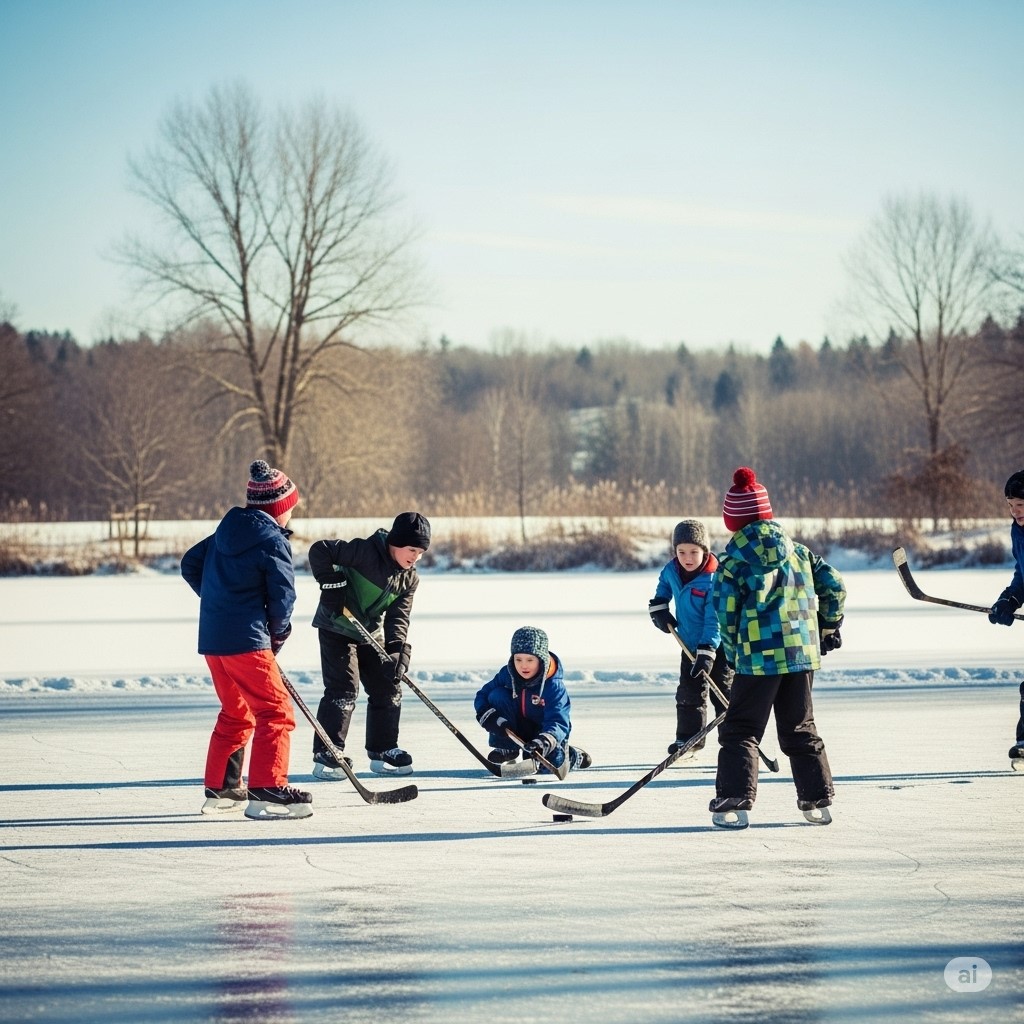
Pond Hockey: A Tradition Carved in Ice
Pond Hockey is more than just a winter pastime; it represents tradition, community, and the raw essence of the game. Played under open skies, often on frozen lakes and ponds, this version of hockey strips away the glamour and returns to the sport’s roots. In recent decades, Pond Hockey has surged in popularity among amateurs and professionals alike. The game’s purity, simplicity, and emotional appeal continue to attract new players globally. This blog post explores the sport’s history, current global reach, rules, amateur play, professional scene, and cultural significance.
The Origins and History of Pond Hockey
It dates back to the early days of organized hockey in Canada. Before rinks and arenas, kids took to frozen ponds during long winters. These frozen bodies of water served as natural playing surfaces. Communities formed tight bonds around the game, often clearing snow by hand and using boots for goalposts.
In the late 19th century, as hockey formalized into organized leagues, Pond Hockey remained the grassroots version. It allowed players to hone their skills without regulation boundaries. Many legends of the National Hockey League (NHL) learned the game on outdoor ice. This rustic training ground helped develop creativity, puck control, and endurance.
By the mid-20th century, Pond Hockey became symbolic of hockey’s original spirit. Though indoor rinks grew in number, outdoor play remained a staple. The rise of tournaments like the U.S. Pond Hockey Championships in Minnesota and the Canadian Pond Hockey Championships in Ontario solidified its cultural importance.
Global Popularity and Where Pond Hockey Is Played
Pond Hockey’s influence extends beyond North America. The sport now thrives in various cold-climate regions across Europe and Asia. Scandinavia, especially Finland and Sweden, boasts a deep appreciation for outdoor hockey. Public lakes and schoolyards often double as rinks during the winter months.
In Eastern Europe, countries like Russia, the Czech Republic, and Slovakia maintain strong traditions of playing hockey outdoors. During long winters, entire communities gather for impromptu matches. Cultural festivals sometimes include outdoor tournaments, drawing thousands of participants and spectators.
China and Japan, investing heavily in winter sports, have embraced Pond Hockey as part of grassroots development. These nations encourage outdoor play to increase access and nurture young talent. Australia and New Zealand, though lacking natural frozen lakes, host synthetic outdoor tournaments to emulate the experience.
Moreover, the growth of global tourism has fueled winter sport vacations. Travelers seek experiences that combine scenic beauty and physical activity. Pond Hockey tournaments on frozen lakes in Switzerland or the Austrian Alps offer that combination.
Amateur Pond Hockey: Youth and School Participation
Amateur Pond Hockey has grown into a global movement. Youth programs emphasize outdoor play as a way to build passion for the sport. In Canada, Hockey Canada encourages unstructured outdoor hockey, allowing kids to enjoy the game free from pressure.
Schools and local clubs organize weekend events and winter carnivals centered around Pond Hockey. These events promote inclusivity, encouraging kids of all skill levels to participate. Parents often join in, creating a family-oriented atmosphere. Teams typically consist of four to six players, fostering teamwork and community bonding.
In the United States, states like Minnesota, Michigan, and Wisconsin lead the charge. School districts integrate outdoor games into physical education during the winter months. Local parks flood fields to create makeshift rinks. Kids are often seen skating before and after school, playing pick-up games until dusk.
Europe mirrors this trend. In Scandinavian countries, schools close for the day during key winter tournaments. These events serve as rites of passage, creating memories and friendships that last a lifetime.
Asia’s participation is on the rise. In China, cities in Heilongjiang Province host massive youth Pond Hockey festivals. These events promote physical fitness and sportsmanship. Government-backed initiatives supply gear and maintain frozen surfaces.
Professional Leagues and Events Around the World
While Pond Hockey itself does not have traditional professional leagues, numerous high-profile tournaments attract elite talent. These events blur the line between amateur and professional competition.
The U.S. Pond Hockey Championships in Minneapolis is one of the largest. Thousands of players gather on Lake Nokomis each year. The event includes divisions for beginners, veterans, women, and elite players. NHL alumni often participate, adding credibility and excitement.
In Canada, the Lake Louise Pond Hockey Classic blends breathtaking scenery with fierce competition. Teams travel from all over the world to compete in front of the Rocky Mountains. Broadcast coverage and social media attention help elevate the event.
Europe hosts several premier tournaments. The Engadin Pond Hockey Trophy in Switzerland brings together teams from across the continent. Held in the Swiss Alps, this tournament combines alpine beauty with traditional gameplay.
Though not professional in the classic sense, prize money and sponsorships are common. Many teams wear branded jerseys, and companies use these events for marketing. Thus, the distinction between amateur and professional continues to blur.
Political and Social Significance of Pond Hockey
Pond Hockey holds deep political and social importance. It represents more than competition—it symbolizes community, accessibility, and national pride.
In Canada, Pond Hockey is seen as a national heritage. Political leaders often highlight outdoor hockey in speeches and public campaigns. Community rinks receive funding and support, especially in rural areas where access to indoor facilities is limited.
In the United States, the sport fosters unity across diverse populations. Urban and rural communities alike come together on frozen ponds. This shared experience bridges social and economic divides. Community organizers use Pond Hockey to engage youth, reduce crime, and encourage healthy lifestyles.
Globally, Pond Hockey supports environmental causes. Events like the Climate Classic in Europe raise awareness about global warming and its impact on winter sports. Players skate on disappearing ice, emphasizing the urgency of climate action.
Socially, the sport encourages volunteerism. Parents, teachers, and local businesses donate time and resources. This collective effort strengthens community bonds. Outdoor hockey events often double as fundraisers for charities and local initiatives.
Moreover, gender equality finds expression in Pond Hockey. Women’s divisions grow each year, and co-ed teams are common. The informal structure allows for more inclusion compared to rigid professional leagues.
Rules of Pond Hockey
It follows simplified rules compared to traditional ice hockey. The focus is on fun, safety, and continuous play.
Games usually involve four players per side, with no goalies. Small nets replace standard-sized goals. The lack of goalies encourages skillful passing and accurate shooting.
No body checking is allowed. This rule ensures player safety and maintains the friendly spirit of the game. Stick infractions like slashing or high-sticking result in penalties, but these are rarely harsh. Sportsmanship is emphasized over competitiveness.
Games are typically played in two 15- or 20-minute halves. Running time keeps the pace brisk. After a goal, the scoring team must retreat to their side to allow the other team possession.
The puck must remain on the ice. Lifting the puck intentionally can result in loss of possession. This rule prevents injuries and keeps the game flowing smoothly.
Teams must switch ends after each half. If the surface is uneven or affected by sunlight, this ensures fairness.
Officials are often community volunteers. They monitor safety and enforce basic rules. Disputes are usually resolved with good-natured compromise.
Each tournament may have its own variations. Some allow five-player teams or include goalies. However, the core principles of fairness, flow, and fun remain universal.
Conclusion
Pond Hockey has evolved from simple winter fun into a global cultural phenomenon. It honors the roots of ice hockey while adapting to modern times. Across continents and generations, players continue to embrace its charm and challenges.
The sport thrives because it stays true to its essence—community, simplicity, and love for the game. Whether played by schoolchildren in Canada or professionals in the Swiss Alps, Pond Hockey remains a pure expression of joy on ice.
As winters continue to change and the world grows more connected, this timeless sport offers a reminder of what truly matters: passion, perseverance, and play.