Power Tumbling: The Dynamic World of Acrobatics on the Move
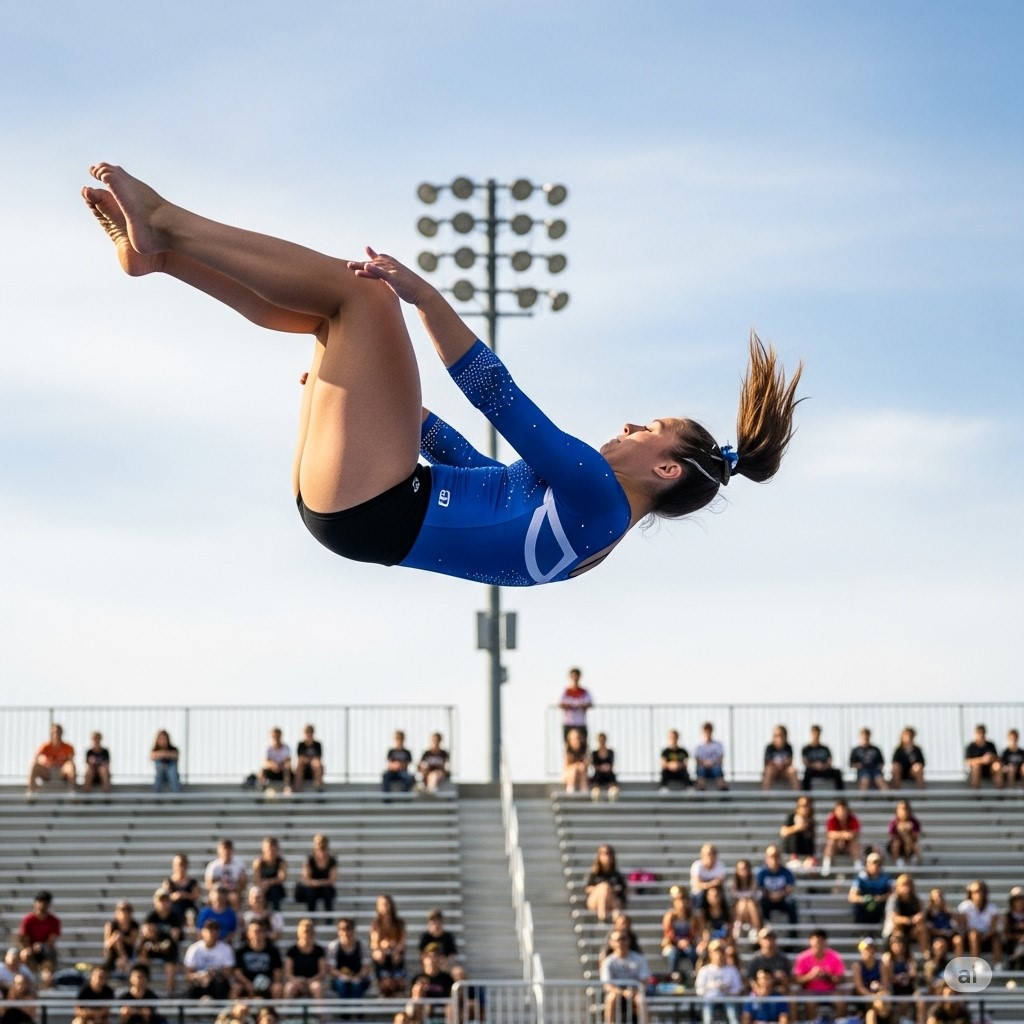
Power Tumbling is a sport that blends strength, speed, and acrobatics. Athletes launch themselves into the air using a sprung tumbling track. Spectacular flips and twists define the action. Unlike traditional gymnastics, this discipline emphasizes continuous, high-powered movement. It is as thrilling to watch as it is difficult to master.
Power Tumbling has gained attention for its intensity and athleticism. It draws audiences who crave excitement and raw physical talent. This blog explores its origins, global reach, amateur and professional scenes, societal impact, and formal rules.
The Origin and History of Power Tumbling
Power Tumbling traces its roots to ancient acrobatics. Historical records show that tumbling existed in ancient Egypt and China. Acrobat performers entertained royalty and commoners alike. These early feats laid the foundation for today’s high-flying sport.
Modern tumbling began taking shape in the early 20th century. It emerged in physical education programs in the United States and Europe. Gymnastics programs adopted tumbling as a component skill. However, a separate identity soon began to form.
By the 1970s, specialized tumbling equipment like spring floors and rod floors became common. These innovations allowed athletes to perform more complex and explosive routines. The introduction of the rod floor—a track with fiberglass rods covered by padding—marked a turning point. It revolutionized the sport by offering unparalleled bounce and speed.
In 1999, Power Tumbling was officially included in international gymnastics competition. The International Gymnastics Federation (FIG) recognized it as a discipline under trampoline gymnastics. Since then, it has continued to evolve.
Global Popularity and Where Power Tumbling Is Played
Power Tumbling enjoys growing popularity worldwide. It thrives in countries with strong gymnastics traditions. The United States, Russia, China, and the United Kingdom lead the pack. Each has produced world-class tumblers who dominate the sport.
Europe serves as a major hub for international competition. Nations like France, Germany, and Belarus have invested heavily in youth development. In Asia, China and Japan have expanded their programs, drawing large audiences at domestic events.
Australia and Brazil have also established national training centers. Their efforts aim to compete at elite levels. In Africa, nations like South Africa and Egypt are beginning to develop competitive teams.
The sport’s inclusion in international championships has fueled interest. Events like the World Games and FIG World Championships attract global audiences. Streaming services have further expanded its reach. Fans from around the world can now follow competitions in real time.
Social media has played a crucial role in popularizing Power Tumbling. Viral videos of spectacular routines have captured public imagination. Young athletes often gain large followings, turning into role models for future tumblers.
Amateur Power Tumbling in Youth and School Programs
At the amateur level, Power Tumbling starts young. Children as young as four begin in tumbling classes at local gyms. These programs teach basic skills such as cartwheels, round-offs, and back handsprings.
As athletes improve, they enter competitive age-group programs. Youth tumbling is highly organized in countries like the United States and the United Kingdom. National organizations like USA Gymnastics provide clear developmental pathways.
Schools often support tumbling as part of their physical education or extracurricular activities. In some areas, high school teams participate in regional competitions. Private gymnastics clubs also offer competitive tumbling programs.
Amateur competitions follow strict levels and age brackets. Athletes progress through levels based on skill mastery. Each level introduces more complex elements, fostering gradual development.
Coaches play a vital role in athlete progression. Certified coaching education ensures safe and effective instruction. Many coaches are former tumblers who bring experience and passion to the sport.
In countries with national governing bodies, youth competitions serve as talent pipelines. Promising athletes receive additional training and support. National teams often scout talent from these events.
Scholarships and grants are available in some regions. Talented youth may receive financial assistance for training and travel. These opportunities open doors to further advancement.
Professional Leagues and Global Competition
Power Tumbling does not have standalone professional leagues like other major sports. However, elite competition exists within the framework of international gymnastics.
The FIG organizes global events like the Trampoline Gymnastics World Championships. Tumbling is a key discipline at these events. Athletes represent their countries and compete for medals and rankings.
Continental championships, such as the European and Pan American Games, include tumbling events. These competitions provide exposure and experience to top-level athletes.
Some countries host national championship series. In Russia, the national tumbling circuit is both prestigious and competitive. China’s government-funded training programs support elite athletes year-round.
Sponsorship deals and government funding sustain elite competitors. Many athletes receive stipends, allowing them to train full time. In a few cases, athletes gain media attention and endorsement deals.
Exhibition events and showcases provide additional platforms. These often feature spectacular routines in non-competitive settings. They help popularize the sport and introduce it to new audiences.
Though a formal professional league structure is lacking, the sport continues to grow. Calls for a global league have increased in recent years. Advocates argue it would raise visibility and offer athletes a career path.
Social and Political Significance of Power Tumbling
Power Tumbling has a unique role in promoting physical activity. It inspires young people to move, train, and dream big. In underprivileged areas, it offers an escape and a path to achievement.
Programs targeting at-risk youth use tumbling as a tool. These initiatives teach discipline, focus, and teamwork. Many participants report increased self-esteem and improved school performance.
The sport also encourages gender equality. Both boys and girls participate at all levels. Events are held separately but receive equal recognition and support.
Cultural diplomacy plays out in international competitions. Athletes become ambassadors, building bridges across borders. Countries that rarely cooperate in politics share respect on the tumbling floor.
During global conflicts or crises, sports like tumbling provide unity. They remind the world of shared human aspirations. The 2020 global pandemic disrupted events but also showcased resilience. Athletes trained at home and competed virtually.
Governments recognize the sport’s potential in public health. Investment in youth programs aligns with broader health initiatives. Countries like Norway and Canada integrate it into wellness campaigns.
Tumbling also features in inclusive sports programs. Adaptive versions exist for athletes with disabilities. These adaptations show the sport’s flexibility and universal appeal.
Rules and Structure of Power Tumbling Competitions
Power Tumbling follows a well-defined set of rules. The FIG governs these regulations globally. Competitions take place on a 25-meter rod floor.
Athletes perform two passes, each composed of eight connected skills. These routines include flips, twists, and somersaults. Judges evaluate based on difficulty, execution, and overall impression.
Scores range from 0 to 10 per element, then totaled. Execution errors such as bent knees or unpointed toes result in deductions. Landing stability also affects scores.
The degree of difficulty significantly influences scoring. Athletes must balance risk and precision. Repeating skills or failing to connect movements lowers a score.
Judging panels consist of difficulty, execution, and reference judges. They work together to ensure fairness. Instant replay systems help confirm scoring accuracy.
Routines must follow safety protocols. Warm-up times and spotters reduce injury risks. Athletes wear form-fitting uniforms to avoid distractions.
Age and skill level determine competition divisions. Youth, junior, and senior categories each have specific standards. National and international events adhere to these divisions.
Training requirements are rigorous. Athletes spend hours perfecting routines. Strength training, flexibility, and mental focus are essential.
Seasonal calendars align with school and work commitments. Major events occur in spring and fall. Off-season training prepares athletes for peak performance.
Final Thoughts on Power Tumbling
Power Tumbling showcases the best of human movement. It challenges athletes physically and mentally. Its growth across continents proves its universal appeal.
The sport offers opportunities for youth, inspires communities, and breaks cultural barriers. Its rules and structures promote fairness and safety. Whether amateur or elite, tumblers commit themselves to excellence.
With increased media attention and support, its future looks bright. If global professional leagues form, they will elevate the sport even further. Until then, fans will continue to cheer these daring acrobats who soar through the air with unmatched grace and power.
For athletes and spectators alike, Power Tumbling remains a spectacular journey of dedication and flight.