
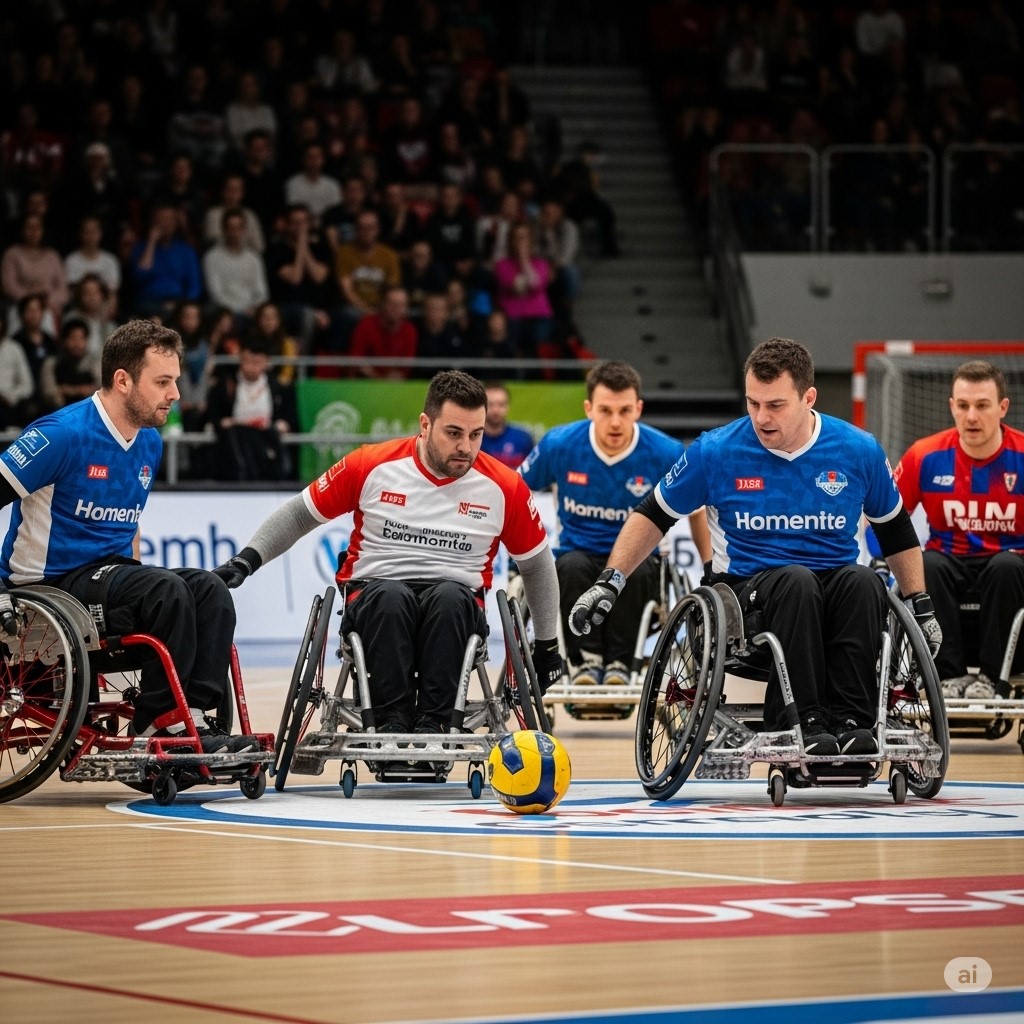
Powerchair Football: A Global Movement Empowering Athletes
Powerchair Football is a dynamic, fast-paced sport played by individuals with severe physical disabilities. Originating from grassroots creativity, it now thrives across continents. This sport offers high levels of competition, camaraderie, and personal empowerment. Powerchair Football delivers excitement, strategy, and accessibility in one package. Today, it stands as a shining symbol of inclusion and determination.
The Origins of Powerchair Football
The sport traces its roots back to France in the 1970s. Teachers and disability advocates sought engaging activities for students using powered wheelchairs. They began adapting traditional football rules. Using oversized soccer balls and modified rules, the game started to take shape. The early matches were informal and played in school gymnasiums.
By the 1980s, the concept spread to countries like Canada and Japan. These nations began developing their own versions. France, however, maintained a leading role. In 2006, the first standardized international rules were introduced. This allowed teams from different countries to compete on equal footing.
The creation of the Federation Internationale de Powerchair Football Association (FIPFA) marked a significant milestone. It was founded in 2006 to oversee global competition and promote the sport worldwide. Since then, Powerchair Football has evolved into a respected and highly organized discipline.
Global Popularity and Reach
Powerchair Football now enjoys popularity on nearly every continent. Europe, North America, South America, Asia, and Australia all have active programs. In France, the sport continues to grow rapidly. Over 100 clubs exist across the country. The United Kingdom also boasts a well-developed league system. The Wheelchair Football Association (WFA) oversees the sport in England.
In the United States, the United States Power Soccer Association (USPSA) governs national play. Several regions host competitive leagues. The U.S. national team competes regularly in international tournaments. Brazil and Argentina have also embraced the sport, making South America a growing hub.
Japan leads the way in Asia. Their teams combine discipline and technical skill, making them strong international contenders. Australia runs its own national league and participates in FIPFA competitions. African nations like Ghana and South Africa are beginning to introduce programs as well.
Youth and School Participation
Powerchair Football offers young athletes the chance to compete and grow. In many countries, schools and community centers host introductory programs. These youth leagues teach not just sports skills but life lessons. Players learn teamwork, perseverance, and communication.
In the UK, the WFA organizes school outreach events. These events expose students to the sport early. Some schools even form their own teams. In the U.S., many states integrate Powerchair Football into special education programs. These efforts ensure a steady stream of new talent.
Japan and France have particularly strong youth systems. Local clubs often sponsor junior teams. They provide coaching and equipment for young players. These systems help cultivate future stars. They also foster long-term engagement with the sport.
Grassroots support remains essential. Nonprofits, schools, and families all contribute to the growth of youth programs. These networks ensure Powerchair Football stays inclusive and accessible.
Professional Leagues and Competitive Structure
While Powerchair Football is not yet part of the Paralympic Games, it has a strong professional structure. Most national leagues have promotion and relegation systems. Teams compete in regular season play and national championships.
In England, the Premiership and Championship levels showcase top-tier talent. The WFA Cup serves as a knockout-style competition. France holds the Championnat de France, which features the country’s best clubs. The competition level remains intense.
In the U.S., regional conferences lead into a national championship. Top teams from each region qualify. The USPSA hosts this annual event, drawing attention from around the country. Brazil, Argentina, and Japan host similar national events. Each country adapts its league structure to suit local conditions.
The pinnacle of the sport is the FIPFA World Cup. Held every four years, it features the best teams from around the globe. France won the inaugural 2007 tournament. Other winners include the United States and England. The event draws spectators, media coverage, and increasing international interest.
Rules of Powerchair Football
Powerchair Football follows a modified set of rules. The game is played indoors on a basketball court. Each team fields four players, including a goalkeeper. Matches consist of two 20-minute halves.
The ball measures 13 inches in diameter—larger than a standard football. Players use footguards attached to their wheelchairs to strike the ball. Speed limits ensure fairness and safety. Chairs must not exceed 10 km/h during play.
Contact rules are strict. A two-on-one rule prevents crowding around the ball. Only one player from each team may engage the ball within 3 meters. Violations lead to indirect free kicks. This rule encourages spacing and strategy.
Fouls include ramming, unsafe driving, and intentional collisions. Referees issue yellow and red cards for serious offenses. A team plays with one less player if a red card is shown.
Scoring follows standard football rules. A goal is worth one point. The team with the most points at the end wins. Draws are allowed in regular season games. Knockout matches may use extra time or penalty shootouts.
Political and Social Significance
Powerchair Football goes beyond sports. It represents a push for equality and visibility. Players challenge stereotypes about disability every time they compete. The sport creates community and builds confidence.
Politically, Powerchair Football raises awareness. It highlights the need for accessible venues, equipment, and funding. Governments and advocacy groups often partner with leagues to improve conditions. The sport also fits within broader disability rights movements.
Socially, it fosters inclusion. Athletes connect with teammates and fans. Families get involved. Communities rally around local clubs. These connections reduce isolation and promote well-being.
The sport also inspires. Players become role models. Their achievements show that physical limitations do not define potential. Schools and media increasingly showcase these athletes. This exposure shifts public perception.
Corporate sponsors and philanthropists now recognize the value of supporting Powerchair Football. Their involvement brings visibility and resources. In turn, the sport gains legitimacy and sustainability.
Looking Ahead
Powerchair Football continues to grow. More countries are developing programs. Equipment technology improves each year. Training methods evolve. Coaches and players constantly seek new strategies.
FIPFA is campaigning for inclusion in the Paralympics. If successful, it would mark a new era for the sport. Recognition at that level would attract more investment and participation.
Grassroots programs will remain vital. They ensure broad access and build strong foundations. National leagues will continue to elevate competition. International events will expand global awareness.
Powerchair Football is more than a game. It is a global movement. It empowers, connects, and inspires. Its future looks bright—and its impact will only grow stronger.