
The Thrilling World of Production Car Racing: A Global Phenomenon
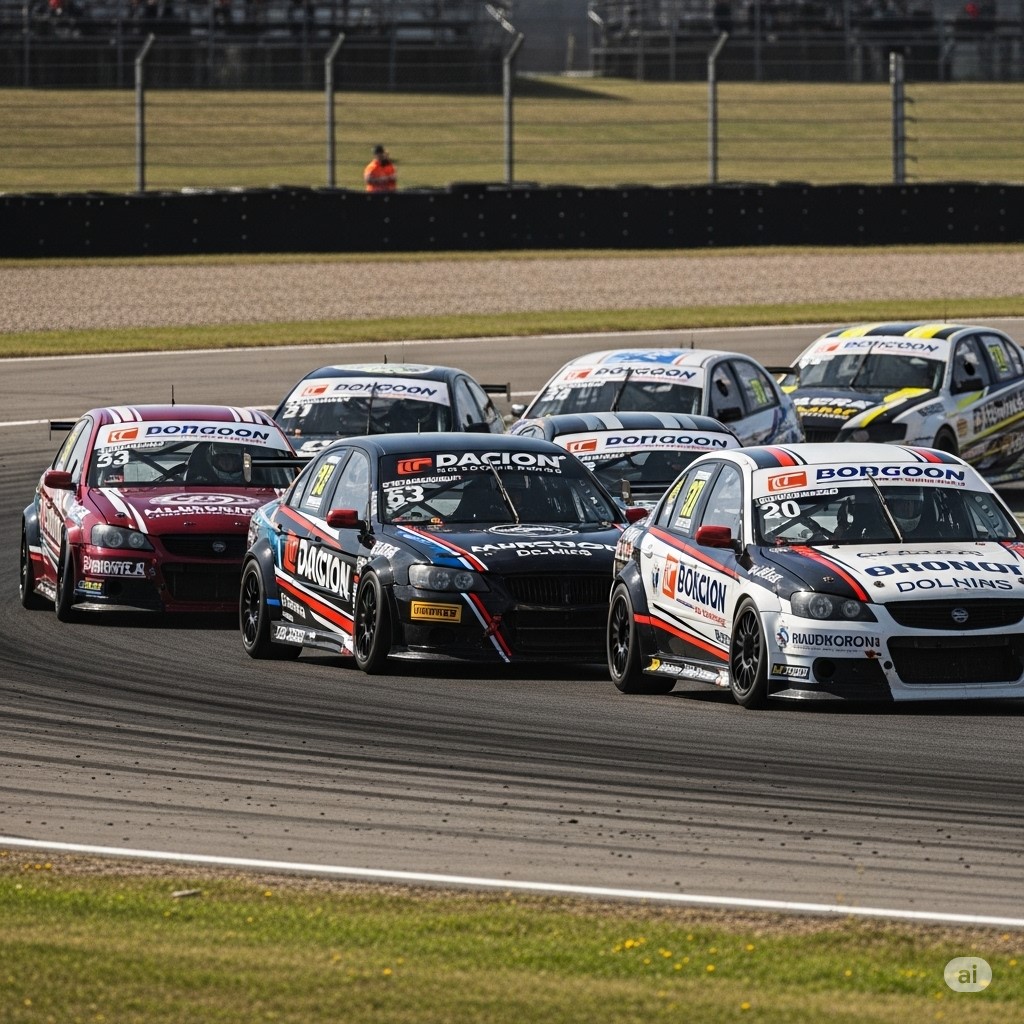
Production Car Racing has thrilled motorsport enthusiasts for decades. This grassroots form of racing involves cars that closely resemble their showroom counterparts. Its accessibility, authenticity, and fierce competition attract drivers and fans worldwide. From local amateur circuits to international professional leagues, Production Car Racing has carved a unique space in the world of motorsports.
Origins and Early History of Production Car Racing
The roots of Production Car Racing date back to the early 1900s. As automobiles became more affordable, enthusiasts began organizing informal races using everyday vehicles. These contests often took place on public roads or closed circuits. The idea was simple: race what you drive.
In the 1930s, sanctioned racing with production cars gained momentum in Europe. Manufacturers saw these events as an opportunity to showcase their vehicles’ reliability and performance. This trend expanded significantly after World War II. Nations sought economic recovery, and car companies used racing as a promotional tool.
By the 1950s, the concept spread to the United States. Events like the “Showroom Stock” races emerged. These contests emphasized limited modifications and relied on stock parts. Fans appreciated the realism. Drivers loved the level playing field. Production Car Racing became a proving ground for talent and a marketing platform for brands.
Global Growth and Popularity
As the automotive industry grew, so did the sport. Today, Production Car Racing enjoys a global following. Countries across Europe, Asia, North America, and Australia host events regularly. In each region, local flavor influences the structure and culture of the sport.
Europe has long embraced touring car series that use production-based vehicles. Races like the British Touring Car Championship (BTCC) and Germany’s DTM draw massive crowds. These leagues use vehicles from top manufacturers such as BMW, Audi, and Ford.
In Asia, Japan leads the charge with Super Taikyu and other endurance formats. The country’s car culture blends performance with precision. Japanese fans celebrate brands like Honda, Subaru, and Toyota. These manufacturers invest heavily in motorsports.
The United States boasts a rich tradition with organizations like the Sports Car Club of America (SCCA) and IMSA. Events such as the Continental Tire SportsCar Challenge highlight factory-built race cars with minimal alterations. NASCAR also features production-inspired designs, although heavily modified.
Australia’s Supercars Championship is another marquee event. It features thrilling races with V8-powered sedans. The nation’s love for car racing is evident in high attendance and television viewership.
Amateur Racing and Grassroots Development
One of the most appealing aspects of Production Car Racing is its accessibility. Amateur drivers worldwide participate in local competitions. These events often require only a street-legal car and basic safety equipment.
Clubs like the SCCA in the U.S. and MSA-affiliated clubs in the UK organize entry-level races. Drivers compete in classes based on engine size, weight, and drivetrain configuration. This structure keeps the sport inclusive and competitive.
Youth involvement continues to grow. Programs like the National Auto Sport Association’s Teen Mazda Challenge introduce teenagers to racing. Schools and universities increasingly offer motorsport engineering programs. These initiatives blend academics with practical experience.
In countries like Australia and Canada, junior racing leagues provide a clear pathway to professional motorsports. Karting remains a common starting point, but production car racing offers a more relatable next step. Teens learn mechanics, teamwork, and strategy.
Professional Leagues and Championships
Production Car Racing thrives at the professional level. Numerous international series highlight the sport’s diversity.
The British Touring Car Championship (BTCC) stands as a pioneer in the category. Since 1958, BTCC has featured intense wheel-to-wheel action. It draws top drivers and factory-backed teams.
Germany’s DTM series showcases high-performance sedans from brands like Mercedes-Benz, BMW, and Audi. While the cars are technologically advanced, they maintain production-based roots.
In the United States, IMSA’s Michelin Pilot Challenge features multi-class endurance races. Teams field vehicles like the Porsche Cayman GT4 and Ford Mustang GT4. These cars remain visually similar to their showroom versions.
Japan’s Super Taikyu Series emphasizes reliability and endurance. It features long-format races with factory and privateer teams. Brands like Nissan, Toyota, and Mazda dominate the grid.
Australia’s Supercars Championship features Ford Mustangs and Chevrolet Camaros. Races span urban circuits and rural tracks. The sport enjoys national television coverage and a loyal fanbase.
Social and Political Impact
Production Car Racing holds social and political significance beyond entertainment. The sport promotes road safety awareness and responsible driving. Many drivers learn car control and accident avoidance through racing.
Governments and organizations support motorsports as a developmental tool. Youth racing initiatives reduce reckless driving and channel energy into constructive competition.
Politically, the sport influences environmental policies. As electric and hybrid vehicles enter competition, regulations adapt. Events like the Electric Production Car Series highlight sustainability.
Auto manufacturers use the sport to test new technologies. Success on the track often translates to road car improvements. Production Car Racing becomes a research lab for performance and efficiency.
Socially, the sport builds community. Fans gather at local tracks, forging bonds through shared passion. Volunteers, mechanics, and drivers collaborate across backgrounds. The racing paddock becomes a microcosm of teamwork.
Rules and Structure of Production Car Racing
Although rules vary by league, certain principles define the sport. Production Car Racing involves vehicles that retain factory specifications. Modifications are limited to safety, suspension, and tires.
Races are divided into classes. Each class groups cars by performance characteristics. This ensures fair competition.
Typical rules include:
- Retaining factory engine and drivetrain
- Mandatory roll cages and fire suppression systems
- Restricted tire choices
- Weight limits and balance of performance measures
Scrutineering ensures compliance before and after races. Penalties apply for unauthorized modifications or rule violations.
Races vary in length. Some feature sprint formats of 30 minutes. Others involve endurance contests lasting up to 24 hours. Pit stops, driver changes, and fuel strategy play crucial roles.
Scoring systems reward consistency. Points accumulate across seasons to determine champions. This format keeps fans engaged and teams focused.
Safety remains paramount. Marshals, medical teams, and strict protocols protect participants. Racing incidents are reviewed by officials. Fair play and sportsmanship are emphasized.
Conclusion
Production Car Racing blends realism with adrenaline. From its humble origins to its global prominence, the sport continues to evolve. It unites amateur drivers, youth participants, and professional teams under one banner.
Across continents, fans celebrate races that mirror everyday driving experiences. Manufacturers benefit from showcasing their products in high-stakes environments. Communities thrive around local tracks and national events.
As technology advances, the sport adapts. Electric and hybrid vehicles will shape its future. Yet, the core principle remains: race what you drive.
In an ever-changing world, Production Car Racing provides continuity. It connects generations, fosters innovation, and delivers unforgettable moments. It deserves its place among the world’s most influential motorsports.