
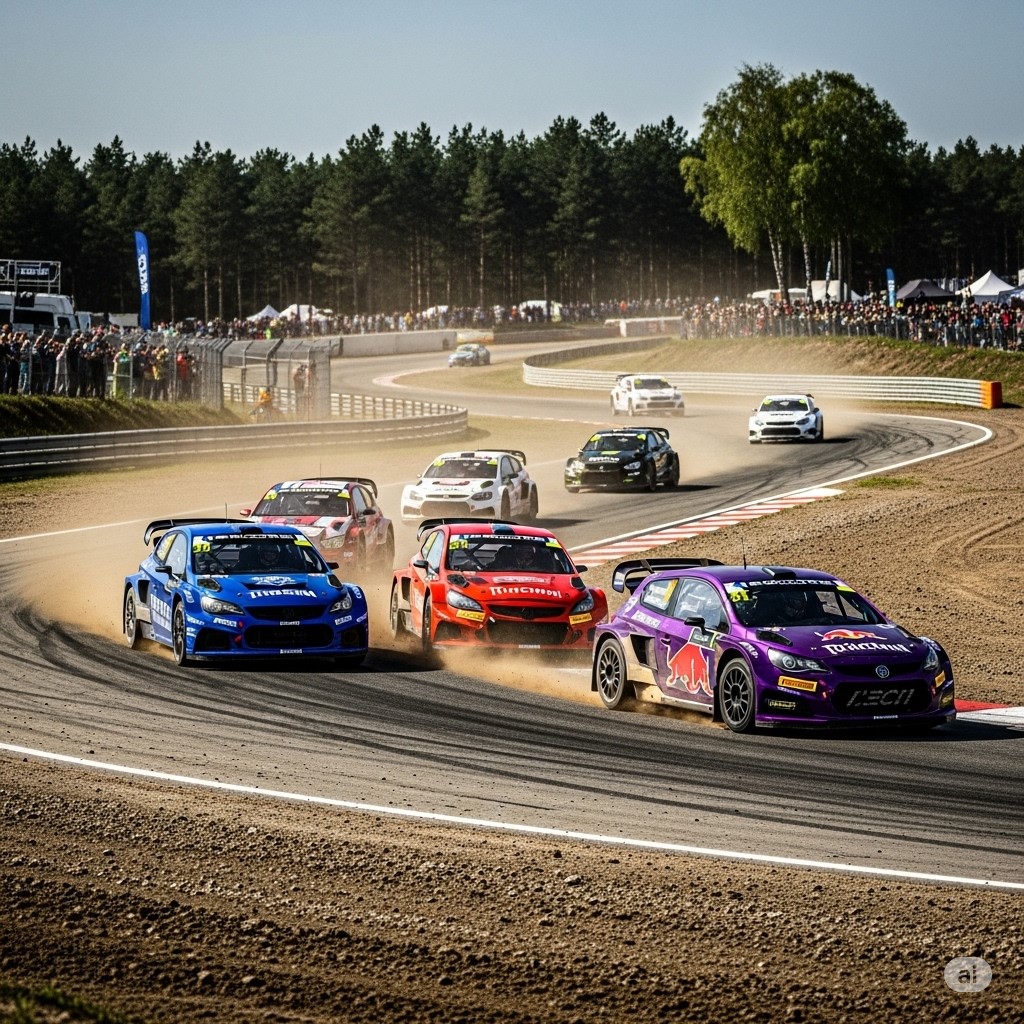
Rallycross: A Thrilling Fusion of Speed, Skill, and Spectacle
Rallycross is one of the most electrifying motorsports in the world. It combines the agility of rally driving with the adrenaline rush of circuit racing. With its compact tracks, high-powered cars, and intense wheel-to-wheel battles, Rallycross delivers nonstop excitement. This sport has evolved over decades, developing a global following. Fans admire its unpredictable nature and explosive energy.
The Origins and History of Rallycross
The story of Rallycross begins in the United Kingdom in 1967. It was born out of a desire to create a TV-friendly motorsport. ITV, a British television network, introduced it to fill air time on Sunday afternoons. The inaugural event took place at Lydden Hill Race Circuit in Kent. Organizers blended the best of rally and circuit racing, producing a short, mixed-surface course. The format caught on quickly.
During the 1970s, Rallycross expanded across Europe. Countries like Sweden, Norway, and the Netherlands embraced the format. Swedish drivers played a pivotal role in developing car technology and racing techniques. The FIA (Fédération Internationale de l’Automobile) recognized Rallycross in 1976. This acknowledgment helped solidify its position in global motorsports.
The 1980s and 1990s brought further innovation. Turbocharged engines, all-wheel drive, and aerodynamic enhancements transformed the cars. These developments made races more competitive and thrilling. The European Rallycross Championship became the centerpiece of the sport. Legendary drivers such as Kenneth Hansen and Martin Schanche dominated this era.
In 2014, the FIA launched the World Rallycross Championship (World RX). This move elevated Rallycross to a new level. It attracted manufacturers like Peugeot, Ford, Audi, and Volkswagen. The sport began to attract broader international attention and funding.
Global Popularity and Reach
Today, Rallycross enjoys fans from every continent. Europe remains its stronghold. Events in Norway, Sweden, France, and the UK draw large crowds. Scandinavian nations are particularly passionate about the sport. Their cold climates and rally heritage make Rallycross a natural fit.
North America has also embraced the sport. The now-defunct Global RallyCross Championship (GRC) introduced it to U.S. audiences in the early 2010s. Although GRC ended in 2017, new series such as Nitro Rallycross have taken its place. American fans appreciate the sport’s extreme nature and accessible format.
In South America, Brazil and Argentina host amateur and semi-professional Rallycross events. These races attract grassroots participants and aspiring racers. Meanwhile, Australia and New Zealand have growing fanbases and active racing communities. Japanese and Chinese motorsport fans have also begun to follow Rallycross more closely.
Digital platforms have helped globalize Rallycross. Streaming services, social media, and racing simulators like DiRT Rally expose new fans to the sport. YouTube channels and Instagram accounts post race highlights, interviews, and behind-the-scenes footage. This content spreads awareness and builds a dedicated online following.
Amateur and Youth Rallycross Around the World
The sport is not just for professionals. Amateur Rallycross thrives across the globe. Local clubs, regional championships, and grassroots organizations foster growth at the community level. Many countries host amateur series that serve as a pipeline for future talent.
In Europe, national Rallycross leagues often include junior categories. These divisions feature young drivers, sometimes as young as 13. Norway’s Junior Rallycross Championship is one such example. Kids race in scaled-down cars, learning the fundamentals of driving and competition.
In the United States, the SCCA (Sports Car Club of America) hosts RallyCross events that cater to all skill levels. These races usually take place on dirt or gravel tracks. Participants use street-legal vehicles with minimal modifications. This keeps the sport affordable and accessible.
Schools and educational programs also promote youth involvement. Organizations offer driving courses that teach car control, safety, and sportsmanship. Some even partner with engineering departments to involve students in vehicle design and maintenance. This holistic approach blends competition with education.
In developing countries, community efforts introduce children to Rallycross through karting and motor clubs. These programs often rely on donations and local sponsorships. They provide opportunities for underprivileged youth to engage in a structured, exciting sport.
Professional Rallycross Leagues and Championships
Several professional Rallycross leagues operate worldwide. Each features its own format, rules, and roster of elite drivers. The FIA World Rallycross Championship (World RX) stands as the premier international series. Races occur on custom-built circuits that feature both asphalt and gravel sections.
World RX drivers compete in high-performance, 600-horsepower Supercars. These machines accelerate from 0 to 60 mph in under two seconds. Manufacturers and private teams field vehicles in fierce competition. The championship includes races in Europe, the Middle East, and occasionally North America.
Nitro Rallycross (NRX), founded by action sports legend Travis Pastrana, has gained traction in the United States. NRX emphasizes big jumps, technical courses, and a fan-centric experience. It blends motorsport with entertainment, attracting diverse audiences.
In Europe, the European Rallycross Championship remains highly respected. It serves as a stepping stone to World RX. The series features several classes, including Super1600 and RX2e, which focus on emerging talent and electric vehicles.
Other countries have national championships. For example, France, Germany, and Finland all run competitive domestic leagues. These series help maintain local interest and develop future stars. They also experiment with innovations like electric propulsion and sustainable fuels.
Social and Political Significance of Rallycross
Rallycross is more than just racing; it holds social and political weight. The sport promotes inclusivity and grassroots development. By offering low-cost entry points, it levels the playing field. Aspiring drivers from modest backgrounds can compete and progress.
In rural areas, Rallycross events support local economies. They draw spectators who spend on lodging, food, and transport. Towns near tracks benefit from tourism and exposure. Events often partner with charities and nonprofit organizations, raising funds and awareness for various causes.
Politically, Rallycross highlights environmental challenges. Governing bodies have begun pushing for green initiatives. Electric Rallycross classes like RX2e demonstrate commitment to sustainability. This aligns with broader global efforts to combat climate change. Sponsors and manufacturers support these initiatives, creating a positive feedback loop.
The sport also fosters international cooperation. Teams and drivers often come from multiple countries. This global mix promotes cultural exchange and mutual respect. Events serve as meeting grounds for fans, athletes, and officials from different backgrounds.
Rules and Structure of Rallycross
Understanding Rallycross rules enhances appreciation for the sport. Races occur on short circuits, usually 0.6 to 1.4 kilometers long. Tracks combine dirt and tarmac, demanding versatile driving skills. Events follow a heat-based format.
Each competition includes multiple qualifying heats. Drivers earn points based on their performance. The top scorers advance to semi-finals and finals. The overall winner emerges from the final race. This structure keeps the action constant and the stakes high.
A unique feature is the Joker Lap. Every driver must take one Joker Lap per race. This alternate route is longer and adds strategic depth. Teams must decide when to take it for maximum advantage.
Contact between cars is common but regulated. Stewards monitor races to ensure safety and fairness. Dangerous moves or repeated contact result in penalties. Sportsmanship is emphasized, especially at the youth and amateur levels.
Car specifications vary by class. Supercars lead the top tier. They feature all-wheel drive, turbocharged engines, and custom-built bodies. Lower classes use modified production vehicles. Safety equipment such as roll cages, fire suits, and helmets are mandatory.
Events often last a single day, allowing fans to experience everything in one visit. Pit areas remain open to spectators, promoting a closer connection between fans and teams. This accessibility strengthens the sport’s community feel.
Conclusion
Rallycross stands out in the motorsport world for its speed, strategy, and spectacle. Its roots trace back to a simple television experiment. Over time, it has grown into a dynamic, global sport. Fans from all walks of life are drawn to its excitement and accessibility.
From local dirt tracks to world-class arenas, Rallycross thrives. Young drivers, amateur enthusiasts, and professional champions all find a home within its vibrant ecosystem. Politically and socially, the sport leads with innovation and inclusivity.
With evolving technology and global expansion, Rallycross is poised for an exciting future. Whether you’re a seasoned fan or a newcomer, there’s never been a better time to get involved in this high-octane adventure.