
Rhythmic Club Gymnastics: A Deep Dive Into the Art and Sport
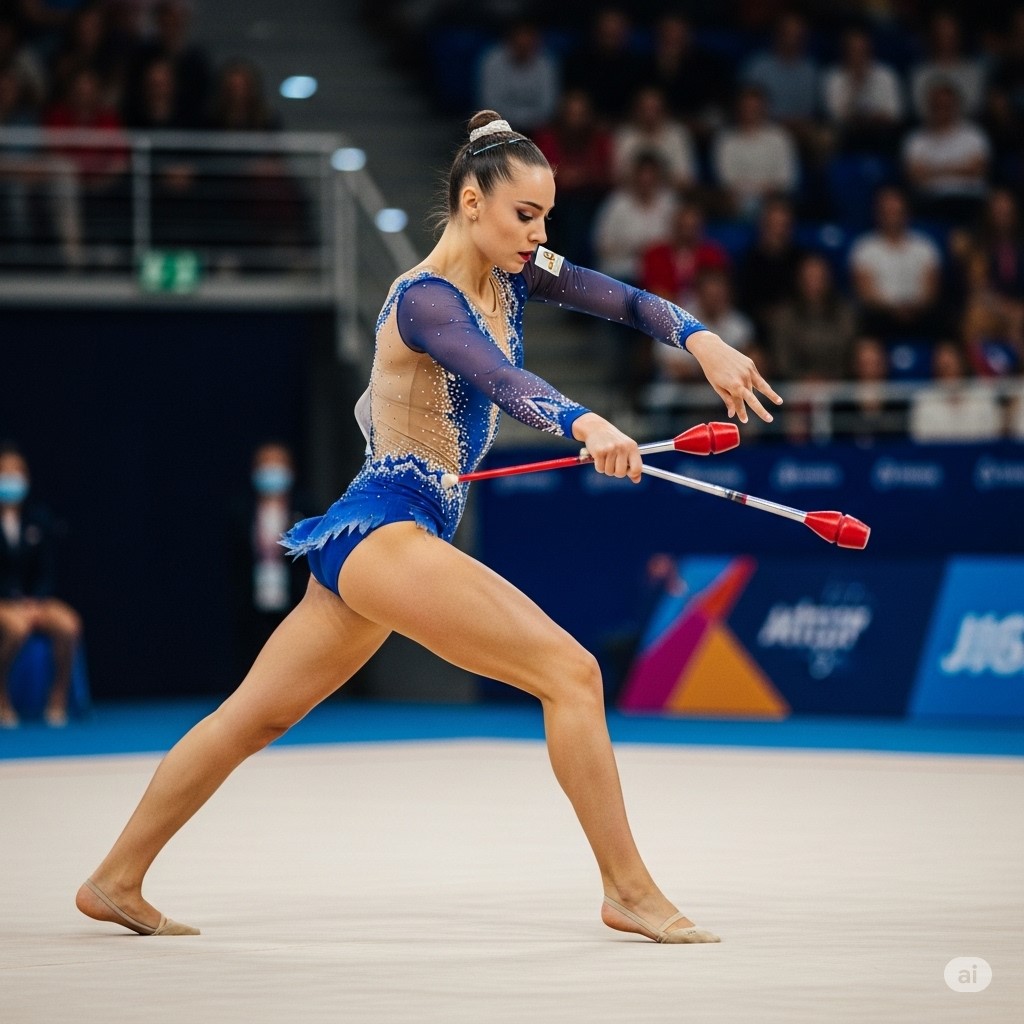
Rhythmic Club Gymnastics blends athleticism with artistry. This captivating discipline emphasizes grace, strength, and coordination. In this form, gymnasts use clubs to perform precise, expressive routines. Rhythmic Club Gymnastics is not only a competitive sport but also a powerful art form. As the sport grows globally, its unique charm continues to draw fans and athletes alike. This article explores the history, rules, global popularity, and social significance of Rhythmic Club Gymnastics.
Origin and History of Rhythmic Club Gymnastics
The roots of rhythmic gymnastics trace back to 19th-century Europe. Initially, educators promoted it as a method to develop grace and posture. Influenced by Swedish and German physical training systems, early routines emphasized rhythm and movement. Over time, choreographed routines became more complex.
By the 1930s, rhythmic gymnastics had taken form as a distinct discipline. Soviet athletes played a pivotal role in its evolution. They introduced music, apparatus, and synchronized movements. These innovations laid the foundation for modern Rhythmic Club Gymnastics.
In 1963, the International Gymnastics Federation (FIG) recognized rhythmic gymnastics. The first world championship took place in Budapest. Although clubs were not initially a required apparatus, they soon became standard. Over the years, clubs have evolved in material and design. Traditional wooden models gave way to lightweight plastics and rubber for better grip and control.
The discipline made its Olympic debut in 1984. However, the clubs event was only added to the group competition later. Since then, it has become a highlight of rhythmic gymnastics.
Global Popularity and Regional Hubs
Rhythmic Club Gymnastics enjoys global appeal. Russia, Bulgaria, and Ukraine have dominated the sport for decades. These countries benefit from strong training programs and government support. Eastern European gymnasts often set the performance standard.
In Asia, Japan and China have emerged as rhythmic powerhouses. Their programs emphasize precision, discipline, and aesthetics. South Korea has also seen a rise in international rankings.
Western nations like Spain, Italy, and France boast strong teams as well. Italy, in particular, has invested in youth development. The Farfalle, Italy’s national group team, has earned international accolades.
North America has a smaller but growing presence. The United States and Canada have made strides, particularly at the junior level. In Latin America, Brazil and Mexico support robust rhythmic gymnastics federations.
African countries are beginning to embrace the sport. South Africa and Egypt lead regional development efforts. Meanwhile, Australia continues to nurture a dedicated rhythmic gymnastics community.
Amateur and Youth Participation Worldwide
Amateur Rhythmic Club Gymnastics plays a vital role in the sport’s ecosystem. Thousands of young athletes train in clubs, schools, and academies worldwide. Youth participation starts as early as age four. Programs often emphasize basic coordination, rhythm, and flexibility.
School programs vary by country. In Eastern Europe, rhythmic gymnastics is often part of the physical education curriculum. In Japan and China, after-school programs provide structured training. Western countries typically rely on private clubs to nurture young talent.
Competitions occur at local, regional, and national levels. In many countries, federations organize yearly championships for different age groups. These events serve as talent pipelines to elite programs. Judges score routines based on execution, artistry, and difficulty.
Amateur clubs foster not only athletic skills but also confidence and discipline. Coaches often serve as mentors. Parental support also plays a crucial role. The community aspect of amateur gymnastics strengthens family bonds.
Global initiatives aim to expand access to the sport. The FIG supports development programs in underrepresented countries. Non-profits and private donors contribute equipment and resources. This effort ensures that more children experience the joy of Rhythmic Club Gymnastics.
Professional Leagues and Competitions
While Rhythmic Club Gymnastics lacks traditional leagues, several professional platforms exist. The FIG oversees World Cups and World Championships. These events attract top-tier athletes and global media coverage.
The European Championships stand as a prestigious competition. They often feature rhythmic powerhouses from Russia, Bulgaria, and Ukraine. The Asian Championships and Pan American Games also provide elite platforms.
In Russia, professional clubs like Gazprom and Dynamo offer structured training and employment for athletes. These clubs often feed into national teams. Eastern European countries follow similar models.
Professional gymnasts often compete until their early 20s. After retiring, many become coaches or judges. Some transition into performance arts such as Cirque du Soleil. Sponsorships, endorsements, and social media presence offer financial opportunities.
Although the sport lacks a league similar to soccer or basketball, its global calendar remains busy. Fans follow athletes across continents. Streaming services and social media have boosted visibility.
Political and Social Significance
Rhythmic Club Gymnastics holds unique political and social weight. In many countries, state support elevates it to a national priority. Governments see success as a source of pride and international recognition.
The Soviet Union used gymnastics as a soft power tool. Its dominance demonstrated the superiority of its system. This legacy continues in post-Soviet states. National investment ensures continued excellence.
Socially, the sport promotes inclusivity and empowerment. Girls gain confidence, body awareness, and discipline. Participation fosters lifelong fitness habits.
In some cultures, rhythmic gymnastics challenges traditional gender norms. Boys increasingly join the sport, broadening its appeal. Countries like Japan and Spain support male rhythmic programs.
The sport also enhances cultural diplomacy. Athletes from rival nations compete with mutual respect. Shared values like artistry and effort transcend politics.
Events often showcase national identity through music and costume. Cultural heritage finds expression in routines. This blend of sport and culture strengthens international bonds.
Rules and Scoring System
Understanding Rhythmic Club Gymnastics requires knowledge of its rules. The FIG governs all official competitions. Rules evolve regularly to reflect trends and safety.
Routines occur on a 13×13 meter mat. Individual performances last 75 to 90 seconds. Group routines may extend to 2.5 minutes. Music selection plays a vital role in choreography.
Clubs used in the sport are identical and symmetrical. Each weighs at least 150 grams and measures 40 to 50 centimeters. Athletes perform throws, swings, circles, and rhythmic patterns.
The scoring system includes three key components: difficulty, artistry, and execution. Judges assign values based on complexity and creativity. Penalties apply for mistakes like drops or stepping out of bounds.
Synchronization is crucial in group routines. Athletes must coordinate throws, catches, and formations. Errors in timing reduce scores significantly.
Routines must feature required elements. These include balances, pivots, jumps, and waves. Athletes combine elements to maximize scores. Transitions between movements must be smooth and fluid.
The use of music and rhythm is essential. Gymnasts must interpret music with both body and apparatus. Judges reward originality and emotional expression.
Athletes wear leotards that reflect the routine’s theme. Costumes must adhere to FIG guidelines for modesty and safety. Makeup and hair complement the visual presentation.
Scoring transparency has improved in recent years. Real-time scores appear on screens at major events. This development enhances audience engagement.
Conclusion
Rhythmic Club Gymnastics combines athletic precision with artistic expression. Its global appeal continues to grow. From local clubs to world championships, the sport offers opportunities for all levels.
Amateur participation lays the foundation for elite success. National pride and social empowerment intertwine through competition. Professional platforms, though limited, showcase the sport’s finest.
Rules emphasize technique, creativity, and synchronization. Cultural expression adds a unique dimension. As awareness increases, more nations and youth are drawn to the discipline.
Rhythmic Club Gymnastics will continue to inspire generations. Its beauty lies not only in competition but in the joy of movement and connection.