
Rink Bandy: A Fast-Paced Ice Sport with Deep Roots and Global Reach
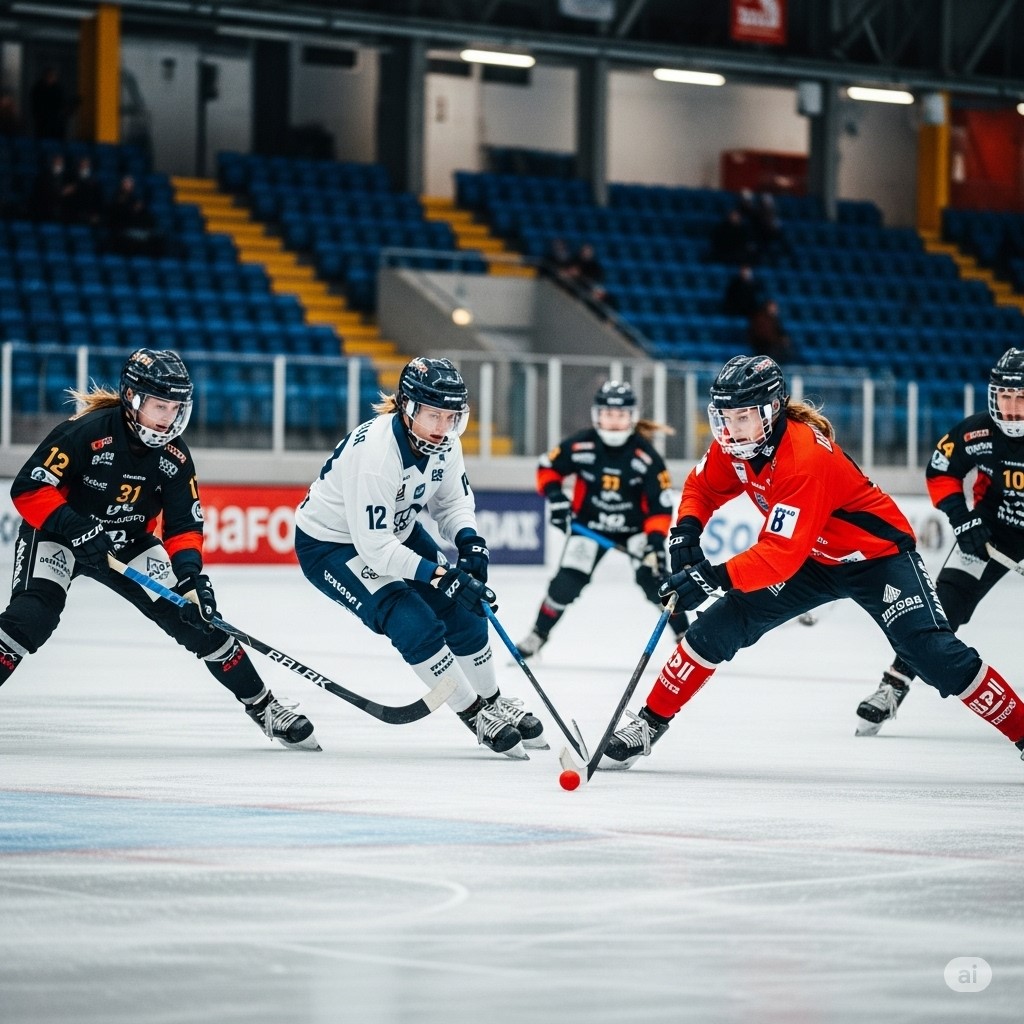
Rink Bandy is a thrilling winter sport that combines elements of ice hockey and traditional bandy. It is played on a smaller ice surface but maintains the core rules and spirit of full-size bandy. While less known than its larger cousin, it has gained traction globally thanks to its accessibility and exciting gameplay. From humble beginnings to international recognition, this sport continues to grow in popularity among youth, amateurs, and professionals alike.
The Origin and History of Rink Bandy
To understand Rink Bandy, one must first look at the sport of bandy itself. Bandy dates back to 18th century England. Players originally played on frozen fens using sticks and a wooden ball. The game spread to Russia and Scandinavia in the 19th century. As it evolved, it became more organized with official rules established in the early 1900s.
Rink Bandy emerged as a variant of bandy in the mid-20th century. It was created to allow players to enjoy the sport on standard ice hockey rinks. This adaptation allowed easier access, especially in regions lacking full-size bandy fields. The International Bandy Federation, founded in 1955, recognized Rink Bandy as an official form of the sport by the 1960s.
Over time, it carved its own identity. It retained the team size and rules of traditional bandy but adapted to the smaller playing surface. The sport attracted attention for its fast pace and fluidity, drawing comparisons to both soccer and hockey.
The Global Popularity of Rink Bandy
While it began in Europe, it has steadily grown around the world. Today, it enjoys popularity in over 30 countries. Russia, Sweden, and Finland remain dominant in both full bandy and Rink Bandy. Their leagues and youth programs have helped shape the global landscape of the sport.
In North America, Rink Bandy has gained a foothold in Canada and the United States. Minnesota hosts several local tournaments and leagues each winter. Canada’s winter sports culture makes it a natural home for the sport.
Other countries with growing interest include Mongolia, China, Kazakhstan, and Belarus. These nations have invested in facilities and coaching programs. As a result, their national teams now compete in international competitions.
The International Bandy Federation has played a key role in the sport’s global expansion. They host the Rink Bandy World Championship and provide support for emerging nations. As the sport continues to spread, more players and fans are discovering its unique appeal.
Amateur and Youth Rink Bandy Around the World
Rink Bandy is perfect for amateur play. Its smaller playing surface means that you can play it in nearly any ice arena. This accessibility has made it popular among schools, community centers, and recreational leagues.
In Sweden and Finland, youth development begins at a very early age. Children learn the basics of skating and ball control through structured programs. Many youth hockey rinks double as training grounds for Rink Bandy teams. These efforts help create a strong foundation for future talent.
In Russia, Rink Bandy serves as a stepping stone for full bandy. Many players start on smaller rinks before transitioning to the larger field. Coaches emphasize technique, speed, and teamwork. This grassroots approach has yielded many skilled players over the years.
Outside of Europe, amateur Rink Bandy is growing in countries like India, Estonia, and the United States. Local clubs often organize community events to introduce the sport. These gatherings foster interest and build a sense of community around the game.
Schools have begun to incorporate Rink Bandy into their physical education programs. In cold climates, outdoor rinks provide an ideal venue. In warmer regions, indoor arenas keep the sport alive year-round. The simplicity of equipment and rules makes it easy for newcomers to join.
Professional Leagues and International Competition
Though Rink Bandy is less commercialized than other sports, several professional and semi-professional leagues exist. In Russia and Sweden, top-tier bandy clubs maintain Rink Bandy squads during the offseason. These teams compete in national tournaments and regional cups.
The Swedish Bandy Association oversees a structured league system. Clubs field both full bandy and Rink Bandy teams. This dual approach ensures that players stay active throughout the year.
In Russia, the Super League features the best bandy players in the world. Many of these athletes also compete in Rink Bandy matches. These games are often televised and draw local spectators.
The International Rink Bandy World Championship remains the pinnacle of the sport. First held in 1996, the tournament features teams from across Europe, Asia, and North America. Sweden and Russia have dominated the event, though other nations are rapidly improving.
Kazakhstan, Norway, and Latvia have recently emerged as strong contenders. Their professional clubs have invested in player development and coaching. As a result, they have closed the gap with the traditional powerhouses.
While prize money and endorsements remain limited, the sport continues to gain legitimacy. Sponsorships from local businesses and sportswear companies support many teams. As viewership increases, so does the potential for broader commercialization.
Political and Social Significance of Rink Bandy
Rink Bandy holds cultural and social significance in several countries. In Russia and Scandinavia, it is seen as a symbol of winter heritage. Families gather at local rinks to watch games, creating a communal atmosphere. These gatherings foster unity and pride.
Politically, the sport has acted as a soft power tool. Russia and Sweden often use international competitions to promote diplomacy and goodwill. Matches between national teams foster mutual respect and cultural exchange.
In Mongolia, Rink Bandy has helped revive interest in traditional ice sports. The government supports youth programs as part of national health initiatives. These efforts aim to combat sedentary lifestyles and promote teamwork among youth.
The sport also plays a role in gender equality. More women are participating in both amateur and professional leagues. Federations are introducing female divisions and mixed-gender tournaments. This inclusive approach broadens the sport’s appeal.
In underserved communities, Rink Bandy provides opportunities for youth engagement. Coaches use it to teach discipline, cooperation, and leadership. In areas with few recreational options, the sport becomes a positive outlet.
The international nature of Rink Bandy promotes cross-cultural understanding. Events bring together athletes from diverse backgrounds. This fosters friendship and breaks down stereotypes. In this way, the sport contributes to global unity.
Rules and Gameplay of Rink Bandy
It shares many rules with traditional bandy, though adaptations are made for the smaller rink size. The game is played with six players per side, including a goalkeeper. Teams use bandy sticks and a small orange ball.
Each match consists of two halves, usually 30 minutes each. The game is fast and relies heavily on skating skill and passing. Body checking is not allowed, unlike ice hockey. This creates a safer and more fluid style of play.
The rink used is the size of an ice hockey rink, typically 60 by 30 meters. Boards surround the playing area, but the ball remains in play when it bounces off them. This leads to fewer stoppages and more continuous action.
Offside rules apply, much like in soccer. A player cannot receive a pass if they are behind the last defender. This encourages strategic positioning and teamwork.
Fouls are penalized with free strokes or penalty strokes. Repeated infractions may lead to temporary or permanent ejection. Referees wear special skates and uniforms to manage the game effectively.
Goals are scored by striking the ball into the opponent’s net. The goalkeeper wears extra padding and a mask but does not use a stick. Instead, they rely on body positioning and reflexes to make saves.
Face-offs begin each half and restart play after goals. Substitutions are allowed on the fly, keeping the game dynamic. Coaches play a strategic role in managing line changes and tactics.
Though simpler than full bandy, the rules of Rink Bandy offer depth and strategy. The sport rewards speed, intelligence, and coordination. This makes it appealing to a wide range of athletes.
Conclusion
Rink Bandy offers a unique blend of tradition, speed, and accessibility. From frozen ponds in Scandinavia to indoor rinks in North America, its reach continues to expand. The sport thrives at all levels, from schoolchildren to seasoned professionals.
Its cultural, social, and political significance adds depth beyond the ice. As more countries embrace the sport, Rink Bandy’s future looks bright. Fans and players alike are drawn to its exciting gameplay and inclusive spirit.
In an era where community and connection matter more than ever, Rink Bandy delivers. It builds bridges, fosters teamwork, and celebrates winter sport in its purest form.