
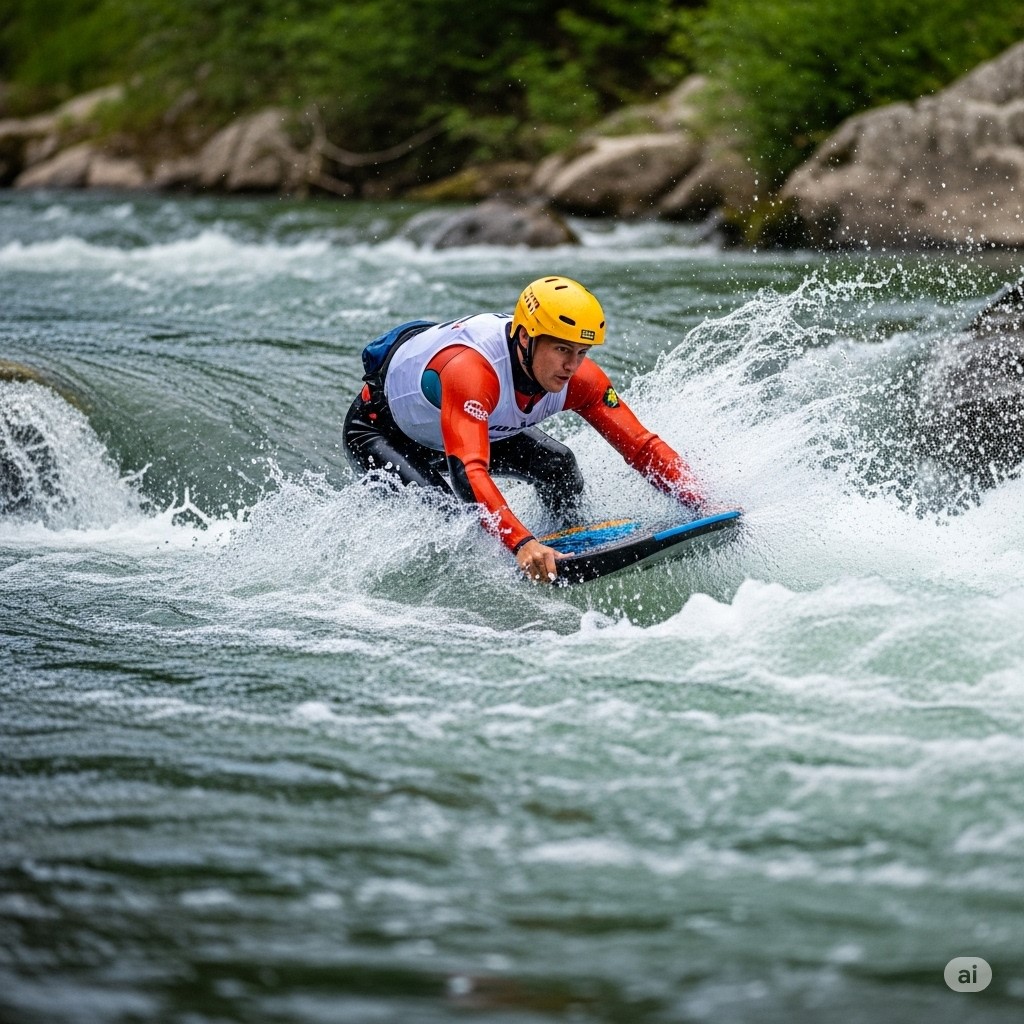
Riverboarding: The Thrill of Riding Nature’s Wild Waters
Riverboarding is an extreme water sport that combines adventure, skill, and a deep connection with nature. Riders use a specially designed board to navigate through whitewater rapids. Known for its adrenaline-pumping excitement, riverboarding attracts thrill-seekers from all over the world. The sport has steadily grown in popularity and continues to expand across different regions and communities. While it remains relatively niche, riverboarding has built a passionate following, from amateur enthusiasts to professional athletes.
The Origins and History of Riverboarding
Riverboarding began in the early 1980s in France. A group of whitewater rafting guides in the Alps wanted a more intimate experience with the water. They fashioned their own boards out of high-density foam. These first boards resembled bodyboards but were thicker and more durable.
Soon after, the sport spread to other parts of Europe. In Austria and Switzerland, riverboarding gained a foothold in the mountain rivers. Innovators improved the board design, adding handles and fins for better control.
By the late 1980s, riverboarding had reached New Zealand and the United States. In New Zealand, it became known as sledging. Adventure tourism helped fuel its growth there. Meanwhile, in the U.S., rivers like the Kern and the American became hotspots for early adopters.
The 1990s saw the sport mature. Equipment became more standardized. Riders began using fins on their feet to aid propulsion and steering. Safety protocols improved, and dedicated instructors began offering lessons.
As the internet age began, videos of riverboarding thrills captivated audiences. The sport’s visual appeal drew more interest. International competitions emerged, further legitimizing riverboarding as a serious sport.
Global Popularity and Where It’s Played
Riverboarding has fans and participants across several continents. Its popularity is highest in countries with accessible whitewater rivers and active outdoor sports communities.
New Zealand is one of the top destinations. Tour companies offer guided experiences in Queenstown and Rotorua. The Kawarau and Kaituna Rivers provide thrilling rapids ideal for beginners and pros alike.
In Europe, France, Austria, and Switzerland are prominent hubs. The Durance River in France hosts many riders annually. Switzerland’s Lütschine River also attracts both tourists and locals.
The United States has several key locations. The Kern River in California, the Gauley River in West Virginia, and the Snake River in Idaho are well-known spots. Riverboarding groups organize seasonal trips and training events.
South America is seeing rising interest. Chile’s Futaleufú River and Argentina’s Mendoza River offer ideal terrain. Local tourism boards are beginning to promote riverboarding alongside rafting and kayaking.
Africa and Asia are newer markets. South Africa’s Ash River and Nepal’s Trishuli River are emerging destinations. Tour operators in these regions are investing in training and safety gear.
Amateur Riverboarding: Schools, Youth, and Weekend Warriors
Amateur riverboarding provides entry into the sport for thousands each year. Many start with guided tours offered by outdoor adventure companies. These tours teach the basics: board control, swimming techniques, and safety procedures.
Some schools and youth programs now include riverboarding in outdoor education. In New Zealand, for example, high school students sometimes participate during adventure camps. These programs emphasize teamwork, environmental stewardship, and physical fitness.
Community groups also organize events and outings. In parts of Europe, riverboarding clubs offer weekend excursions for enthusiasts of all ages. Equipment rental and instruction are usually included.
Social media helps amateur riverboarders connect. Facebook groups and forums share tips, locations, and gear reviews. These platforms create a supportive community for newcomers.
Most amateur riders aim for fun and fitness. Few progress to competition, but the opportunity exists. Local events sometimes offer novice races to encourage participation. These gatherings often become social occasions, strengthening the sense of community.
Professional Leagues and Competitions
Riverboarding is still developing its professional scene. However, some organizations are creating structured competition frameworks.
The Hydrospeeding World Cup in Europe is one such example. Hydrospeeding is the European name for riverboarding. Countries like France, Austria, and Italy send athletes to compete. Races are usually timed sprints through sections of Class III to Class V rapids.
The U.S. has several grassroots competitions. Events often coincide with whitewater festivals, such as Gauley Fest in West Virginia. These include freestyle and race categories. Freestyle competitions judge tricks and maneuvering, while races measure speed.
In New Zealand, professional guides sometimes compete informally. Some adventure companies host annual races between employees and sponsored riders. Although not official leagues, these events gain local media attention.
Efforts are underway to standardize rules and rankings. The International Riverboarding Federation (IRF), formed in 2021, is one such initiative. It aims to unify competition rules and organize global events.
Professional athletes often cross-train in swimming and kayaking. Fitness and agility are crucial at the elite level. Sponsorship is limited but growing, especially from outdoor gear brands.
Political and Social Significance of Riverboarding
Riverboarding intersects with environmental, cultural, and political issues. In some regions, it plays a role in conservation efforts. For example, riverboarders often join river cleanup campaigns. Their close connection to rivers fosters a deep sense of responsibility.
Access to rivers can become a political issue. In places like the U.S., public access to waterways is sometimes challenged by private landowners. Riverboarding communities advocate for river rights and environmental protection.
Culturally, the sport promotes outdoor lifestyles. It encourages physical health, mental resilience, and community building. Youth programs using riverboarding have helped at-risk teens gain confidence and skills.
Tourism economies benefit from the sport. In New Zealand and parts of South America, riverboarding adds diversity to the tourism portfolio. It brings revenue to rural areas and supports local businesses.
Inclusivity is also a growing focus. Some organizations are working to make the sport accessible to people with disabilities. Modified boards and adaptive training are helping break barriers.
Rules and Equipment of Riverboarding
Riverboarding has a clear set of rules to ensure safety and fairness, especially during competitions.
Basic Rules for Recreational Riverboarding:
- Always wear safety gear: helmet, life vest, fins, and wetsuit.
- Stay with your group and follow the guide’s instructions.
- Know the river’s classification. Avoid Class V+ rapids without experience.
- Respect wildlife and avoid disturbing riverbanks.
- Use proper hand signals to communicate in noisy rapids.
Competition Rules Include:
- Riders start at a designated point and finish at a marked end.
- Time penalties apply for missed gates or course violations.
- Freestyle events are scored on creativity, difficulty, and control.
- Judges monitor safety and sportsmanship.
Essential Equipment Includes:
- Riverboard: Made of high-density foam or plastic. Equipped with handles and a slick bottom.
- Helmet: Protects against rocks and debris.
- Life Vest: Provides flotation and sometimes impact protection.
- Fins: Help with steering and propulsion.
- Wetsuit or Drysuit: Maintains body temperature in cold water.
- Gloves and Knee Pads: Optional, but add protection and grip.
Good technique is essential. Riders keep their head up, steer with fins and hands, and use their core for balance. Training helps improve endurance and control.
Final Thoughts on Riverboarding
Riverboarding offers a unique blend of excitement, challenge, and environmental awareness. Its history is rooted in innovation and a love of nature. While still emerging in some parts of the world, its global footprint is undeniable.
From the rivers of France to the rapids of New Zealand, the sport connects people to the power and beauty of water. Amateur participation continues to rise, fueled by tourism, youth programs, and community groups.
Professionally, riverboarding is gaining momentum. With new organizations and events, athletes now have more opportunities to compete and grow. Socially and politically, the sport contributes to conservation, accessibility, and rural economies.
For anyone seeking adventure with a purpose, riverboarding delivers. Whether you’re navigating your first rapid or training for a world championship, the river is calling.
So grab your board, suit up, and ride the current. Riverboarding might just become your new passion.