
The Thrill and Legacy of Rock Fishing: A Deep Dive into the World’s Most Rugged Angling Sport
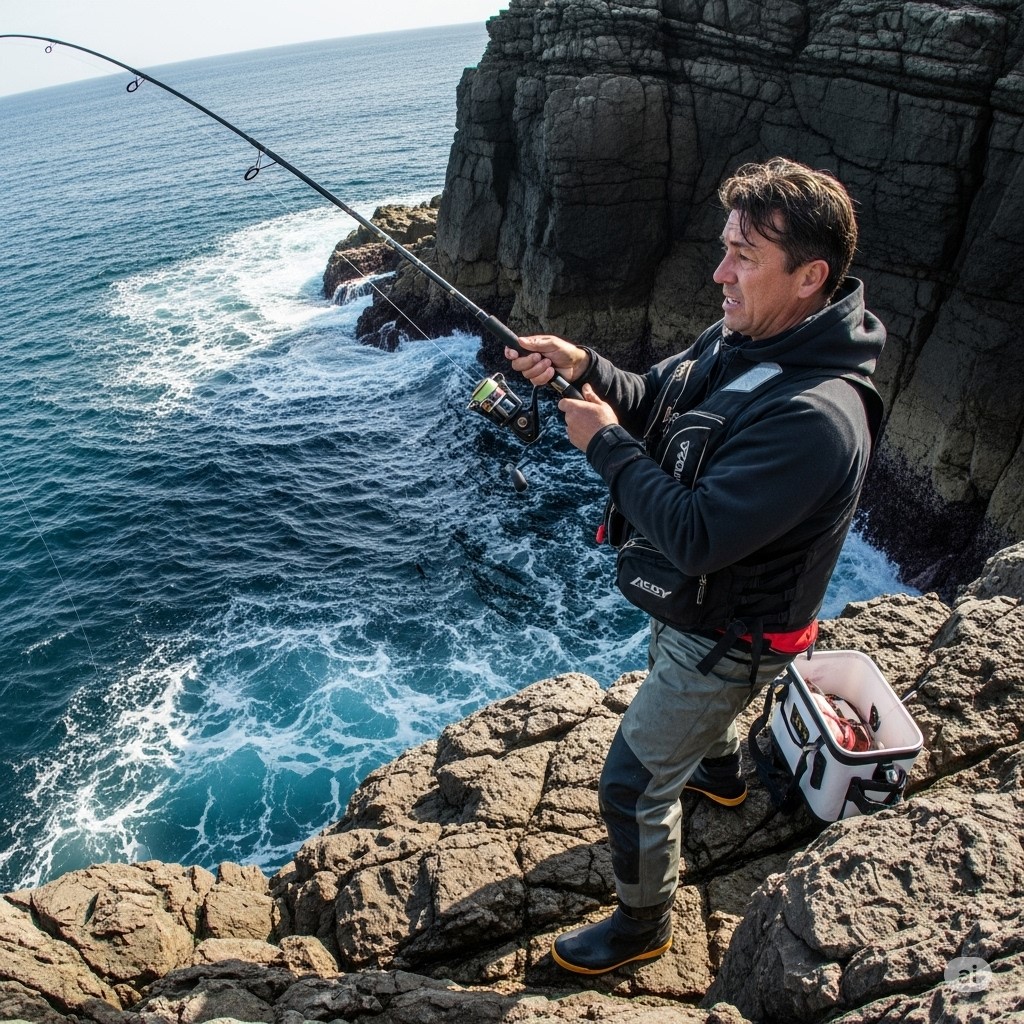
Rock Fishing is one of the most exhilarating and demanding forms of angling. The sport blends extreme nature, tactical knowledge, and physical stamina. Found where land meets sea in the roughest environments, it attracts brave fishermen to rocky coastlines around the globe. Unlike traditional pier or boat fishing, Rock Fishing involves casting off cliffs, rocks, or reefs into pounding surf. It offers high rewards and serious challenges, making it a favorite for hardcore anglers.
The roots of this thrilling sport run deep. Enthusiasts celebrate not only the size of their catch but also the adrenaline of fighting waves, wind, and the ocean’s unpredictability. This unique blend of risk, reward, and raw nature has helped build a passionate global community. In this blog post, we will explore its origins, growth, global presence, amateur and professional levels, rules, and social relevance.
The Origins and History of Rock Fishing
Rock Fishing likely began out of necessity. Coastal communities needed to feed themselves, and fishing from land was the most accessible option. Before the invention of boats or organized angling equipment, people fished off rocky outcrops using handlines and primitive spears.
Historians trace early forms of this practice to indigenous tribes in coastal regions of Australia, Japan, and the Mediterranean. In these areas, locals developed tactics to hunt fish using simple rods or nets along cliffs and reefs.
Over time, what started as survival turned into sport. By the early 20th century, recreational fishing expanded due to improvements in rods, reels, and lines. Rock Fishing became a test of both skill and courage. In Australia and New Zealand, it evolved quickly into a dedicated form of fishing. Clubs formed in the 1950s and 60s, and communities began organizing local competitions. The sport’s appeal surged as stories of heroic catches and battles with nature spread.
Japan also played a significant role in shaping Rock Fishing as a modern sport. Anglers there embraced its technical side, refining bait techniques, tackle choices, and safety gear. These innovations influenced practices worldwide.
Today, the sport continues to honor its rugged past while incorporating modern gear and knowledge. Its rich history still anchors the spirit of every outing.
Global Popularity and Regional Hotspots
Rock Fishing is now a beloved pursuit across continents. Coastal nations with rough shorelines have especially strong followings. Let’s look at key regions where the sport thrives.
Australia
Australia is arguably the global capital of Rock Fishing. With thousands of miles of rugged coastline, it offers ideal conditions. New South Wales (NSW) is the epicenter, where steep cliffs and pounding surf challenge anglers. The sport is so popular that local governments run safety campaigns and training programs.
New Zealand
New Zealand’s jagged coastlines and cold southern waters host some of the world’s best rock fishing spots. From the Coromandel Peninsula to the South Island’s wild west coast, anglers seek everything from kingfish to snapper.
Japan
Japan has a deeply rooted fishing culture. In particular, the art of “isozuri,” or rock shore fishing, has been practiced for generations. Japanese anglers are known for using advanced rigs and lightweight gear. Competitions and television programs frequently feature this sport.
South Africa
Rock and surf fishing in South Africa is both a sport and a tradition. The combination of warm currents and rocky points along the east and south coasts creates fantastic opportunities. Popular species include kob, galjoen, and bronze whalers.
The Mediterranean
Countries like Italy, Greece, and Spain embrace rock fishing for its accessibility. Along cliff-lined coasts, locals and tourists fish for sea bream, bass, and octopus.
United States
While not as dominant as in Australia or Japan, rock fishing in the U.S. has its pockets of popularity. California’s coastlines offer several notable locations, especially in Big Sur and Northern California.
The sport’s global popularity stems from its low entry cost, thrill, and deep cultural ties. Each region brings its flavor, but all share the same elemental connection between man, sea, and stone.
Amateur Rock Fishing: Grassroots to Youth Engagement
Amateur anglers form the backbone of the sport. Most people who rock fish do so recreationally. They may go alone, with family, or as part of a local group. These enthusiasts focus on the love of fishing rather than competition.
Getting Started
Beginners often start with simple gear. A strong rod, spinning reel, and braided line are essential. Bait choices vary based on location. Squid, pilchards, and worms are common. Safety gear is critical: cleated shoes, life jackets, and helmets reduce the risk of slipping or drowning.
Local Clubs and Community Events
Many coastal towns host rock fishing clubs. These clubs offer mentorship, organize trips, and build community. Competitions are often small and local, judged on size and variety of catch.
Clubs also help newcomers learn essential safety practices. Education remains a core mission, especially in places like NSW, where drownings have led to government-supported awareness campaigns.
Youth and Schools
Although schools rarely sponsor official rock fishing programs, informal education thrives. In places like Australia and New Zealand, family traditions pass the sport to younger generations. Some youth camps and outdoor education groups include shoreline fishing lessons.
Youths typically start with safer, low-rock locations. As their skills grow, they graduate to more challenging terrain. These formative experiences create lifelong anglers and foster respect for the ocean.
Professional Rock Fishing: Tournaments and Leagues
Professional Rock Fishing may not yet rival sports like bass fishing or fly fishing in terms of organization, but it has carved out its niche. Events tend to be regional or national, with growing international interest.
Australia’s Competitive Scene
Australia leads the way in organized competitions. The “Rock and Surf Super Pro League,” while not a formal global circuit, includes many regional tournaments with sponsorship and prize money.
Local tournaments like the Narooma Fishing Competition or the NSW Rock & Surf Challenge attract hundreds of participants. These events emphasize both size and sustainability of the catch.
Japan’s Technical Approach
In Japan, professional-level anglers compete in skill-based matches. Precision casting, rig setup, and catch efficiency all earn points. The Japan Game Fish Association oversees rules and competitions.
Japanese tackle companies also sponsor elite anglers. These pros feature in magazines, commercials, and gear tutorials, shaping the sport’s next generation.
South Africa’s Unique Format
South African rock and surf fishing includes national teams. Provincial competitions determine selections for the South African Shore Angling Association (SASAA). This structured pathway creates a professional pipeline.
International matches against Namibia and Angola foster global exposure. The competitive spirit is intense, with pride and passion on full display.
Global Outlook
While no global federation exists yet, the sport is gaining recognition. International summits and cross-border events are beginning to form. There is potential for an international body in the coming decade.
The Political and Social Relevance of Rock Fishing
Beyond the thrill of the catch, Rock Fishing touches broader societal and political themes.
Environmental Awareness
Rock fishers often become stewards of the environment. Their direct engagement with coastal ecosystems makes them keen observers of marine health. In many regions, anglers push for clean beaches, sustainable fish limits, and habitat protection.
Groups like “Recreational Fishers for Conservation” in Australia campaign for better fishery management. Their influence has helped shape laws limiting overfishing and pollution.
Indigenous Rights
In countries like Australia, Rock Fishing intersects with indigenous heritage. Many Aboriginal communities have fished off rocks for millennia. As recreational fishers grow in number, conflicts sometimes arise over territory and resource access.
Efforts to recognize indigenous fishing rights are ongoing. Shared knowledge and cultural respect now feature in educational programs and co-managed zones.
Public Safety and Government Regulation
Because of its risks, Rock Fishing is heavily regulated in some areas. In NSW, mandatory life jacket laws apply in high-risk zones. Penalties for non-compliance reflect the sport’s dangers.
Government agencies also promote safety education. Public signs, apps, and emergency services have been tailored to reduce fatalities.
The balance between freedom and safety remains a hot topic. Many anglers resent what they see as overreach. Others appreciate the life-saving potential of safety mandates.
Social Inclusion
The sport crosses social and economic lines. Anyone with basic gear can participate. Rock Fishing brings together people of all backgrounds, forming diverse communities. In multicultural countries, it becomes a melting pot of language, tradition, and camaraderie.
Rules and Best Practices in Rock Fishing
To maintain fairness, safety, and sustainability, several rules govern the sport. These vary by country but generally include the following guidelines.
Safety Protocols
- Wear non-slip footwear. Rocks become slippery with algae and ocean spray.
- Always wear a life jacket. Many regions now mandate this.
- Fish with a buddy. Solo fishing is discouraged in remote or dangerous spots.
- Check the weather. Swells and tides can change conditions quickly.
Fishing Rules
- Bag and size limits apply. These protect fish populations. Violators face heavy fines.
- Use legal gear. Some regions ban treble hooks or barbed hooks.
- Catch and release is encouraged. Especially for non-target species.
- Respect no-fishing zones. Marine sanctuaries and cultural sites are off-limits.
Ethical Conduct
- Leave no trash. Discarded lines, bait bags, and bottles harm wildlife.
- Respect others. Don’t crowd someone else’s fishing spot.
- Minimize noise. Loud sounds can scare fish and disturb nature.
While most of these rules are enforced by local authorities, community enforcement is equally important. Anglers often hold each other accountable, maintaining a code of respect.
Conclusion
Rock Fishing is more than just casting a line into the surf. It’s a heritage, a test of will, and a lifestyle. From its humble origins to its place on the global stage, the sport continues to evolve. With increasing safety measures, a growing amateur base, and signs of professional growth, its future looks promising.
The sport’s global reach, cultural importance, and intense personal satisfaction make it truly unique. Whether you’re scaling sea cliffs in Australia or casting from Mediterranean rocks, the spirit remains the same. The angler versus the ocean.
If you’re new to Rock Fishing, start slow, learn from others, and always prioritize safety. If you’re a veteran, share your knowledge and help preserve this thrilling sport for generations to come.
With waves crashing at your feet and the tug of a fish on your line, few experiences compare. That’s the magic of Rock Fishing.