
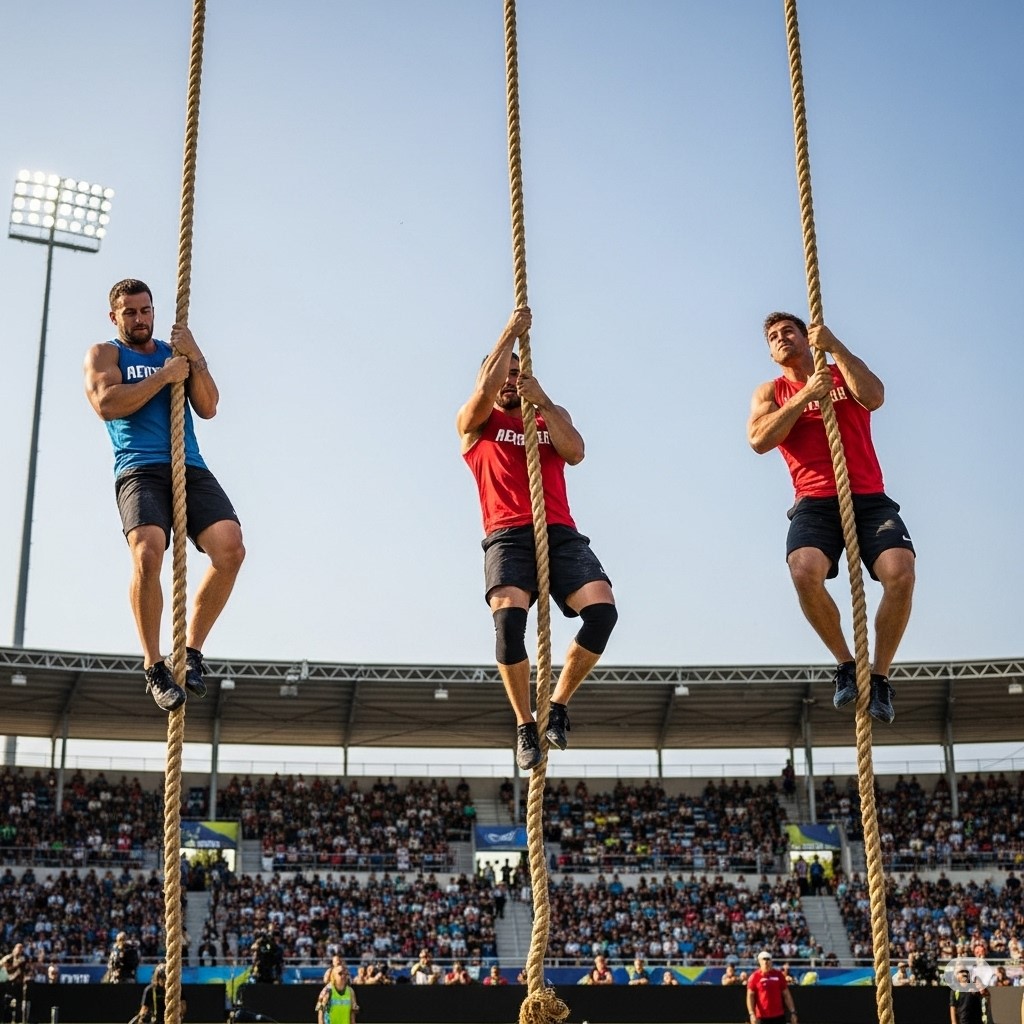
Rope Climbing: A Timeless Test of Strength, Skill, and Discipline
Rope Climbing is one of the oldest strength-based sports known to humankind. It combines upper body power, coordination, balance, and mental focus. Though once common in physical education and the Olympics, the sport has seen a recent resurgence. Athletes around the world now embrace Rope Climbing for its simplicity, accessibility, and physical benefits.
In this post, we’ll explore the sport’s rich history, global popularity, rules, amateur scene, professional leagues, and cultural significance. Whether you’re an athlete, a coach, or just a sports enthusiast, you’ll gain a new appreciation for this classic sport.
The Origins and History of Rope Climbing
It has deep roots in human civilization. Ancient cultures used rope techniques for military training, labor, and navigation. However, as a sport, it truly began to take shape in Europe during the 19th century.
Early Development in Europe
Gymnastics schools in Germany, France, and Switzerland included Rope Climbing in their early programs. Educators saw it as an ideal activity for developing upper body strength and endurance. In France, it became known as La Corde Lisse, often featured in circus arts as well as sport.
By the late 1800s, Rope Climbing competitions were common in European athletic festivals. Contestants raced to climb a vertical rope—usually between 20 to 30 feet—as fast as possible using only their hands.
Entry into the Olympic Games
Rope Climbing was included in the modern Olympic Games five times between 1896 and 1932. In these early editions, athletes from the United States, Hungary, and Greece dominated. The 1896 Athens Games featured a 14-meter climb, while later editions standardized the height to 8 meters.
The sport’s inclusion highlighted the importance of raw, practical strength. However, as gymnastics evolved toward more artistic and acrobatic routines, it faded from Olympic competition after 1932.
Mid-20th Century Decline
After the Olympic exit, it experienced a decline, especially in Western countries. Gymnastics programs favored events like the pommel horse and uneven bars. Schools removed rope climbing stations, citing safety concerns and curriculum changes.
Nevertheless, the sport remained popular in Eastern Europe and parts of Asia. Countries like Russia, China, and Japan continued to practice it in military training and athletic academies.
Global Popularity of Rope Climbing Today
Although its Olympic days are over, Rope Climbing has not vanished. In fact, it has quietly thrived in several parts of the world and has found new relevance in fitness culture.
Asia and Eastern Europe
It continues to have a strong presence in Russia, Ukraine, and China. It is often taught in military schools and included in physical fitness tests. In Russia, for instance, children learn climbing techniques as part of national fitness programs. Professional tournaments still occur in regional championships.
United States and Western Europe
In recent years, it has made a comeback in the United States and Western Europe, thanks to CrossFit and obstacle racing events. CrossFit gyms regularly include rope climbs in their training sessions and competitions. Events like Spartan Races also feature rope climbs as a key obstacle.
Many fitness influencers and trainers now promote Rope Climbing as an essential bodyweight exercise. Videos showcasing techniques and drills receive thousands of views on platforms like YouTube and Instagram.
Africa and South America
Rope Climbing is also gaining popularity in South America, particularly in Brazil and Argentina. Local schools and community centers have added climbing stations to promote youth fitness. In Africa, the sport is growing slowly, with South Africa leading efforts to include rope climbs in school-based physical education programs.
Rope Climbing for Youth, Schools, and Amateur Athletes
Amateur Rope Climbing thrives at the grassroots level. From elementary schools to adult fitness clubs, many are reintroducing it as a fundamental sport.
School Programs
In countries like India and Hungary, Rope Climbing is part of the physical education curriculum. Young students learn grip strength, arm coordination, and discipline early on. Inter-school competitions encourage kids to improve and push themselves. Teachers also use it to build students’ confidence and perseverance.
In the United States, some charter and magnet schools have brought Rope Climbing back. These schools value physical literacy and incorporate it as a fun, engaging way to boost strength. The sport also appeals to students who may not excel in team sports but enjoy individual challenges.
Community and Recreational Clubs
Recreation centers and climbing gyms often host amateur competitions. Participants vary in age and skill, but the atmosphere is inclusive and supportive. Events typically feature several rope heights and time trials, allowing both beginners and experienced climbers to compete.
Fitness clubs promote it not only for sport but also for general health. The activity builds core strength, improves cardiovascular endurance, and enhances grip power. Personal trainers often recommend it to clients who want a full-body workout without weights.
Online Coaching and Digital Communities
Online platforms now offer Rope Climbing tutorials and courses. These programs teach technique, conditioning, and injury prevention. Digital communities also connect amateur athletes worldwide. Facebook groups and subreddits share training tips, equipment advice, and progress stories.
This digital support helps amateurs improve steadily and stay motivated. It also contributes to the sport’s global growth.
Professional Leagues and Competitive Rope Climbing Events
Although it doesn’t have a centralized global league, several countries operate formal competitive circuits. These leagues vary in structure and prestige but all help maintain the sport’s competitive integrity.
Russia and Eastern Europe
Russia is home to some of the most organized professional Rope Climbing competitions. These events are often broadcast locally and supported by the Ministry of Sport. Professional climbers train year-round and compete in time-based challenges, with climbs usually ranging from 5 to 8 meters.
In Ukraine and Poland, rope climbing is integrated into broader gymnastic tournaments. Competitors follow strict regulations, and national titles are awarded annually.
Asia-Pacific Region
Japan, China, and South Korea host rope climbing divisions within their fitness and martial arts organizations. Many athletes also cross-train in rock climbing, judo, or gymnastics. In China, Rope Climbing championships are held at universities and sports academies, where student-athletes represent their institutions.
Australia has seen modest growth in the sport through CrossFit boxes and climbing competitions. National fitness events often include rope climbs as a showcase of raw strength and agility.
North and South America
While no major pro league exists in the Americas, competitive Rope Climbing occurs during CrossFit Games, Tough Mudder events, and functional fitness tournaments. Athletes compete for prizes, rankings, and sponsorships. These events draw attention on social media and help raise awareness.
In Brazil and Argentina, emerging leagues are trying to formalize rope climbing as a standalone sport. Early efforts include regional tournaments and demonstration events at sports expos.
Political and Social Significance of Rope Climbing
Beyond physical prowess, Rope Climbing holds cultural, political, and social meaning in many regions.
Cultural Heritage and National Identity
In countries like India, Rope Climbing is tied to traditional martial arts such as Mallakhamb. These ancient disciplines use climbing for both combat readiness and spiritual discipline. As a result, Rope Climbing symbolizes resilience, self-mastery, and heritage.
In Eastern Europe, it represents national strength and pride. Governments include rope climbing in fitness assessments for military and police recruits. The sport is viewed as a litmus test for discipline and preparedness.
Gender Equality and Inclusion
Historically, Rope Climbing was male-dominated. However, more women are participating at all levels. Schools and gyms now offer equal access and competition for female climbers. Women’s divisions in competitions are gaining visibility, proving that the sport is truly inclusive.
This shift reflects broader social movements toward gender equality in sports. Female athletes serve as role models for the next generation, showing that strength and athleticism know no gender.
Educational Impact
In schools, it teaches discipline, goal-setting, and persistence. Unlike team sports, it offers immediate feedback—either you climb the rope or you don’t. This binary outcome helps students build resilience. Success in rope climbing often translates to better focus and self-esteem in academic settings.
Educators report improved engagement and fitness levels when rope climbing is introduced. It also reduces screen time and encourages outdoor activity.
Rules and Format of Rope Climbing Competitions
Competitive events follow precise rules to ensure fairness and safety.
Rope Specifications
- Length: Typically ranges from 5 to 8 meters for competition.
- Material: Made from manila or synthetic rope with a 3 to 4 cm diameter.
- Mounting: Ropes are fixed to a horizontal support beam and must not sway significantly.
Climbing Techniques Allowed
- Hands Only: Most competitions require climbers to use only their hands and arms. Legs may not touch the rope.
- Leg Assistance: Some divisions, especially in youth categories, allow the use of legs for safety.
Scoring and Timing
- Time Trials: Climbers race to touch a bell or marker at the top. The fastest time wins.
- Height Clearance: Some formats involve climbing as high as possible in a set time (e.g., 30 seconds).
- Tie-Breakers: In the case of identical times, judges evaluate form and start reaction.
Safety Guidelines
- Mats: Soft landing mats are placed under the rope.
- Spotters: Trained spotters are often present, especially for youth and amateur events.
- Chalk Use: Allowed for better grip but must be applied before the attempt starts.
Penalties
- Illegal Technique: Using feet in a hands-only division results in disqualification.
- False Starts: Early lift-offs before the signal incur time penalties or disqualification.
- Improper Finish: Failing to touch the top marker does not count as a valid climb.
Conclusion: The Enduring Value of Rope Climbing
Rope Climbing remains one of the purest tests of strength and willpower. Its roots stretch back centuries, and its relevance continues today. Schools, gyms, and competitive circuits all contribute to its growth.
Across continents, people are rediscovering the value of this time-tested sport. It fosters discipline, inclusivity, and physical excellence. In an era dominated by screens and sedentary lifestyles, it offers a refreshing return to simplicity and effort.
Whether you are a coach, parent, or athlete, consider giving Rope Climbing a try. The rewards go far beyond physical fitness—they include character, community, and confidence.