
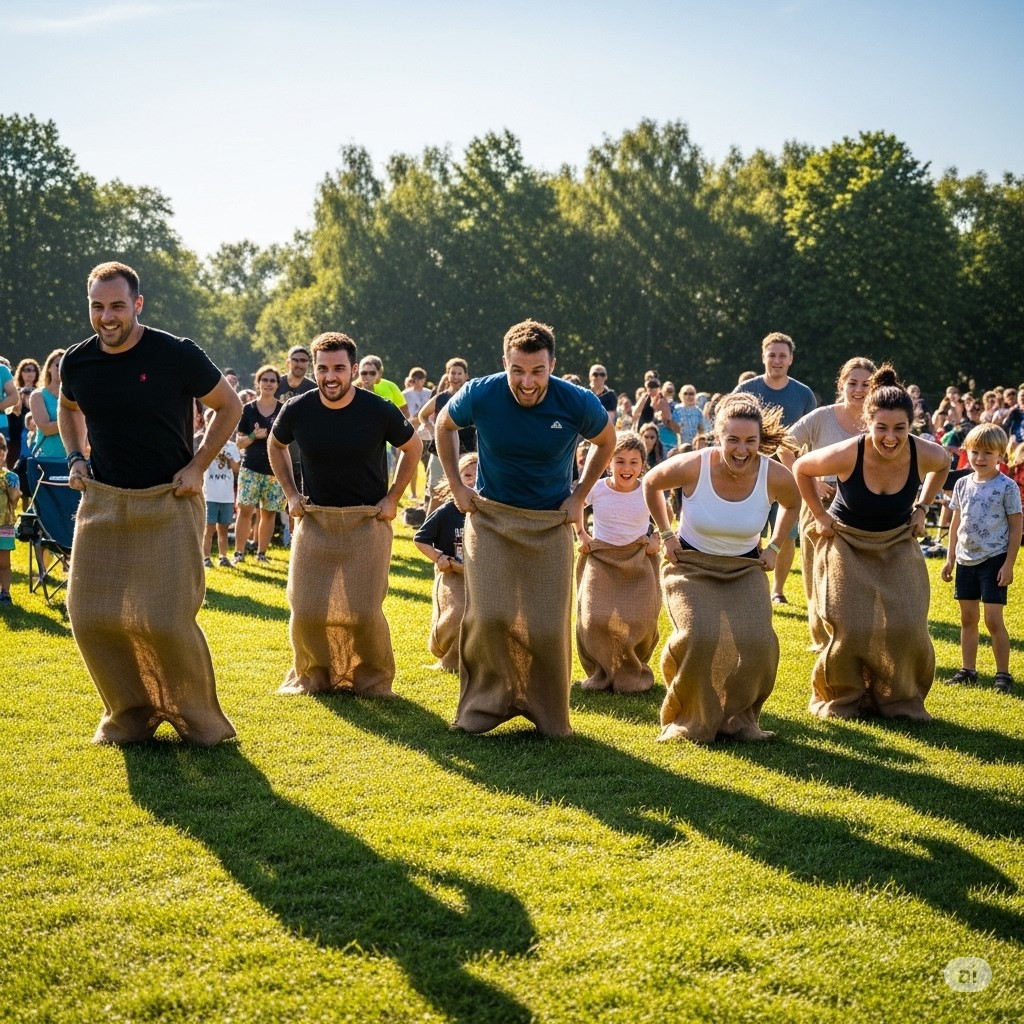
The Sack Race: A Timeless Tradition of Athletic Fun and Cultural Value
The Sack Race, a classic activity enjoyed around the world, offers more than just childhood nostalgia. It blends athleticism, competition, and tradition into one simple yet thrilling event. Known for its fun and engaging nature, the Sack Race holds a unique place in global culture. While often seen at picnics or school events, its roots run deep. The sport continues to evolve, attracting amateur and professional interest alike. This blog explores the rich history, current global popularity, amateur participation, professional leagues, political and social relevance, and rules of the Sack Race.
Origins and History of the Sack Race
The Sack Race likely originated in rural communities in Europe during the 19th century. Farmers used sacks regularly, which made them common tools for games. Early versions of the Sack Race appeared during country fairs and village festivals. These events celebrated harvests and promoted social bonding.
Over time, the race became a staple at British and American school sports days. In the early 20th century, educators saw value in simple, physical activities. The Sack Race encouraged coordination, endurance, and competitive spirit. It grew popular as a form of organized play for children.
By the mid-1900s, Sack Races featured in community gatherings worldwide. Events often included prizes for winners, promoting friendly rivalry. Families used the game to teach perseverance, patience, and balance. Even during wartime, Sack Races entertained troops and lifted morale. The race’s charm lies in its simplicity and inclusivity.
Global Popularity and Where It’s Played
The Sack Race enjoys global recognition. Although most prevalent in the United States, United Kingdom, and Australia, many countries incorporate it into cultural events. In India, for example, school sports days often feature Sack Races. African nations use the race to celebrate local festivals and educational initiatives.
In South America, communities organize Sack Races during holidays and civic celebrations. Europe continues to see traditional versions held in small towns and villages. In Southeast Asia, Sack Races appear in school competitions and team-building activities. Despite cultural differences, the race unites people across continents.
Global media and social platforms help revive and spread interest. Online videos and tutorials highlight fun variations and training methods. Virtual Sack Race tournaments have emerged, especially during the COVID-19 pandemic. The race now enjoys a modern twist, reaching audiences worldwide.
Amateur Sack Race: Youth, Schools, and Community Events
Amateur Sack Racing remains popular among youth, especially in schools. Physical education programs include it to develop motor skills and encourage teamwork. Teachers appreciate the minimal equipment and easy setup. Children benefit from improved balance and cardiovascular fitness.
School sports days commonly feature the race as a highlight. Kids eagerly prepare for the event, often decorating their sacks for fun. Parents and teachers cheer from the sidelines, enhancing community spirit. These moments foster a love for physical activity.
Scouting groups and summer camps also promote the sport. Leaders use it to instill discipline, agility, and cooperation. Community centers organize Sack Race events during seasonal fairs and national holidays. Participants of all ages take part, reflecting the game’s universal appeal.
Amateur competitions even occur at local parks and family reunions. The race serves as an icebreaker and bonding activity. Often, teams form based on age groups or family connections. These informal events build friendships and lasting memories.
Professional Sack Race Leagues and Competitive Platforms
Though often viewed as recreational, the Sack Race has evolved into a competitive sport. Organized leagues have appeared in countries such as the United States, the United Kingdom, and Japan. These leagues standardize rules and host regional, national, and international competitions.
The International Sack Racing Federation (ISRF), founded in 2016, aims to promote competitive sack racing globally. It provides guidelines, safety standards, and training programs. Annual championships bring together elite sack racers from various countries. Events attract large crowds and media coverage.
Other organizations, like the European Sack Race League and the North American HopMasters Circuit, support semi-professional athletes. These leagues include age divisions, gender-based races, and team relay formats. Athletes train rigorously, often combining plyometrics, sprinting, and core stability workouts.
Prize money, sponsorships, and endorsements add legitimacy to the professional scene. Sportswear brands and energy drink companies back top performers. Social media influencers further popularize the sport, showcasing challenges and training routines.
Professional sack racing is expanding into e-sports and virtual arenas. Digital platforms allow athletes to compete remotely using wearable trackers. This innovation boosts accessibility and keeps the sport relevant in a tech-driven world.
Political and Social Significance of the Sack Race
Beyond entertainment, the Sack Race holds political and social importance. In some regions, it represents unity and grassroots participation. Governments and NGOs use Sack Races to promote health, education, and inclusivity. Events often serve as platforms for community engagement and awareness campaigns.
In post-conflict zones, Sack Races help rebuild trust and cooperation. They encourage dialogue between divided communities. Peace organizations include races in reconciliation programs, recognizing the sport’s unifying power.
Politicians occasionally participate in public Sack Races to show humility and connect with citizens. These symbolic acts generate media buzz and humanize leaders. Moreover, the sport transcends class and status, allowing equal participation.
Socially, the race challenges stereotypes about physical ability. It welcomes participants regardless of age, gender, or skill level. People with disabilities can join adapted Sack Race formats. This inclusiveness promotes acceptance and diversity.
Civic groups use Sack Races to support local causes. Charity events raise funds for schools, hospitals, and environmental efforts. The sport becomes a tool for positive change, far beyond just physical exertion.
Official Rules of the Sack Race
Standard rules ensure fairness and safety during Sack Races. These guidelines vary slightly by region but follow core principles. Races take place on flat, grassy surfaces to minimize injury risks.
Each participant stands inside a sack that reaches the waist. The sack must remain upright throughout the race. Racers may not use hands to pull the sack up or push off the ground. They must hop forward using leg power only.
A typical race covers 20 to 50 meters, depending on age and skill level. Markers indicate start and finish lines. Judges monitor for rule violations, such as falling out of the sack or crossing into another lane.
False starts lead to disqualification or restarts. Racers must begin on signal, usually a whistle or flag. The first to cross the finish line while properly inside the sack wins.
Team Sack Races involve relay-style transitions. Each racer hops to a designated point, tags a teammate, and passes the sack. Timing and coordination are crucial. Events often include multiple heats to determine finalists.
Safety measures include wearing light athletic gear and securing the racing area. Organizers provide medical support for larger events. Hydration stations and warm-up zones keep participants healthy and prepared.
Conclusion: The Timeless Appeal of the Sack Race
The Sack Race continues to capture hearts worldwide. Its blend of simplicity, competition, and social value keeps it relevant in modern times. From village fairs to global championships, the race symbolizes joy, unity, and resilience.
Children gain confidence and physical skills through amateur events. Professionals push athletic limits and expand the sport’s reach. Communities use Sack Races to connect, celebrate, and create positive change.
Whether for fun or glory, the Sack Race delivers lasting impact. It’s not just a game—it’s a tradition rooted in history and full of potential.
By embracing this timeless sport, people of all backgrounds come together. The Sack Race proves that even the simplest activities can inspire greatness.