
The Roaring World of Sand Drags: History, Popularity, and Global Impact
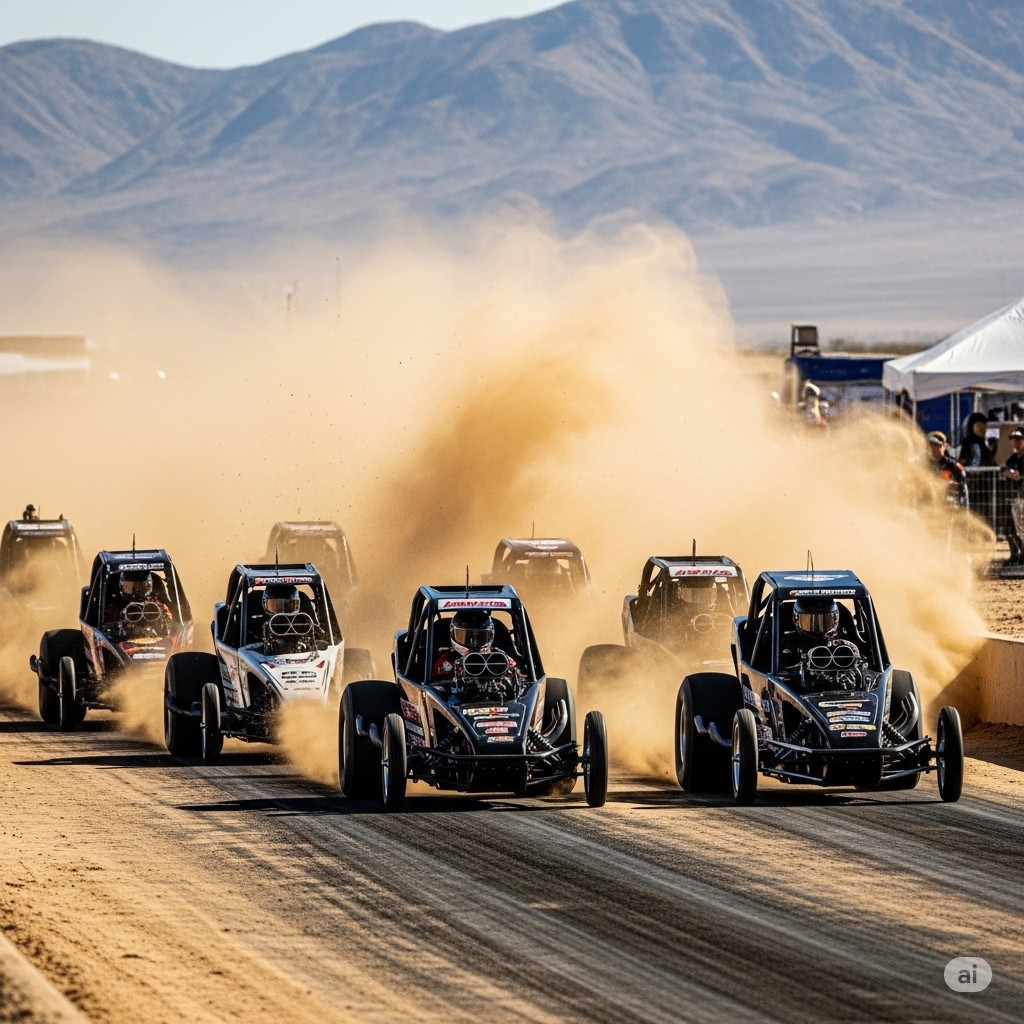
Sand Drags is a high-adrenaline motorsport that combines speed, power, and precision on a gritty surface. This intense racing style is not only a thrill for drivers but also a spectacle for fans. Though it may seem like a niche activity, Sand Drags enjoys a loyal global following. From local dirt tracks to professional events, this sport has carved out a unique place in the motorsports world. Let’s explore the origin, worldwide reach, amateur involvement, professional leagues, and its broader cultural impact.
The Origin and History of Sand Drags
The roots of Sand Drags trace back to the early days of off-road and drag racing. It emerged in the deserts of the southwestern United States in the 1960s. Off-road enthusiasts began organizing races on dry lake beds and sand dunes. These informal gatherings grew in popularity and structure.
As demand increased, dedicated sand drag tracks were built. The early events often featured modified dune buggies and off-road trucks. Soon after, motorcycles and all-terrain vehicles joined the mix. The goal remained simple: sprint a short distance on a sandy track in the fastest time possible.
By the 1980s, the sport saw a surge in organization. Racing bodies formed to standardize rules, improve safety, and manage events. Tracks with engineered sand and timing systems replaced makeshift courses. This growth turned Sand Drags from a grassroots hobby into a recognized motorsport.
Global Popularity of Sand Drags
While Sand Drags began in the U.S., the sport quickly crossed borders. Today, it thrives in countries with large desert landscapes. Regions in the Middle East, such as Saudi Arabia and the United Arab Emirates, host massive events. These races attract thousands of fans and offer significant prize money.
In Australia, the sport found a home among the country’s robust off-road racing culture. Brazilian and Argentine drivers have also embraced it. Their sandy coastlines and rural regions provide ideal conditions for sand drag racing.
Despite its dusty niche, Sand Drags has gained a steady international following. Social media platforms showcase thrilling races from around the globe. High-definition videos of turbocharged buggies and bikes racing through sand have gone viral. As a result, younger fans and racers are discovering the sport.
Clubs and communities continue to spread awareness. In African nations such as Namibia and South Africa, Sand Drags serves as a popular weekend sport. Regional tournaments unite competitors and spectators alike. Thus, Sand Drags maintains a global heartbeat, growing steadily with each passing year.
Amateur Sand Drags and Youth Participation
Amateur involvement plays a crucial role in sustaining the sport. Across the United States, local dirt tracks offer weekend events for hobby racers. Entry fees remain affordable, and many racers modify family vehicles to compete. These grassroots efforts ensure ongoing community interest.
Youth participation has also become more structured. Some junior leagues exist to introduce kids to racing fundamentals. With parental supervision and scaled-down vehicles, young racers learn key skills like throttle control, safety, and sportsmanship.
Schools, particularly in rural or desert communities, sometimes integrate motorsports into their extracurricular programs. Clubs and after-school groups offer workshops on vehicle mechanics and racing basics. In doing so, they cultivate the next generation of sand racers.
This amateur tier often serves as a feeder system to higher levels. Talented young drivers gain recognition at local events. With experience, they transition into more competitive leagues. This natural pipeline helps develop a robust racing ecosystem.
Professional Leagues and Global Organizations
Several professional leagues govern and promote Sand Drags worldwide. In the United States, organizations such as the National Sand Drag Association (NSDA) oversee major events. These include championship series and regional qualifiers.
Professional racers invest heavily in specialized vehicles. Some use alcohol-fueled engines that produce over 2,000 horsepower. Others compete in motorcycle or quad categories. All must comply with strict safety and performance standards.
The Middle East boasts some of the most lucrative events. In countries like Qatar and the UAE, oil-rich sponsors fund high-stakes competitions. Racers from around the world attend these events, elevating them to near-international status.
Australia’s sand racing leagues also organize events across its vast desert landscapes. Many professional drivers double as instructors, sharing their expertise with aspiring racers.
Globally, these professional structures help maintain consistency in rules and safety. They also ensure that fans can follow competitive storylines and rankings. Broadcast deals and live streaming have brought even more visibility to the sport.
The Social and Political Significance of Sand Drags
Beyond entertainment, Sand Drags carries social and political relevance. In many communities, it serves as a form of expression and pride. For example, tribal regions in the Middle East view it as a celebration of heritage. Local customs and traditional vehicles often play a role in races.
In the U.S., Sand Drags provides an outlet for rural communities to gather. Small towns frequently organize local races, creating economic opportunities for vendors and service providers. These events build community spirit and foster local pride.
Politically, the sport has seen involvement from government bodies. In some regions, tourism boards promote sand drag events to attract visitors. Investments in tracks and infrastructure often follow. This attention helps legitimize the sport further.
Moreover, Sand Drags has proven effective in bridging cultural gaps. International races bring together people from different backgrounds. Despite language barriers, the shared love of speed and competition unites fans and racers alike.
Charity races and community outreach programs add another layer of impact. Racing events often raise money for local causes or disaster relief efforts. In this way, Sand Drags becomes more than just a sport; it becomes a vehicle for good.
Rules and Format of Sand Drags
Understanding the rules adds to the appreciation of Sand Drags. Races typically occur on a 300-foot sandy track. Some events use tracks up to 660 feet, depending on location and regulations.
Racers compete in side-by-side heats. The objective is to complete the course in the shortest time. Timing systems track performance down to the thousandth of a second.
There are several classes based on vehicle type and power. These include:
- Pro Open (high-powered dragsters)
- ATV (all-terrain vehicles)
- Motorcycle classes
- Junior classes (for youth drivers)
- Sportsman (amateur category)
Each class follows specific technical guidelines. Vehicles must pass inspection before competing. Safety measures such as roll cages, fire suits, and helmets are mandatory in most leagues.
A typical event begins with practice runs. These allow racers to test track conditions and fine-tune their setups. Qualifying rounds follow, where racers earn spots in elimination brackets.
During eliminations, racers face off in single-elimination duels. Winners move on to the next round until champions are crowned. Some leagues also use point systems to determine season-long standings.
Red-light fouls, or early starts, result in automatic disqualification. False starts and lane infractions are also penalized. Consistency and control are just as vital as raw speed.
Racers rely on quick reflexes, engine tuning, and precise handling. The unpredictable sand surface adds an extra challenge. Conditions can shift quickly, requiring constant adjustments.
Spectators enjoy close-up views of the action. Many tracks allow fans to walk the pit areas, meet drivers, and learn about the machines. This accessibility makes the sport uniquely engaging.
The Future of Sand Drags
The outlook for Sand Drags appears bright. As technology evolves, vehicles become faster and safer. Innovations in engine design and suspension systems continue to push limits.
Environmental considerations are also being addressed. Some leagues experiment with electric-powered dragsters. Others explore eco-friendly fuel alternatives to reduce their carbon footprint.
Youth programs and digital outreach promise to grow the sport’s fanbase. Online content, tutorials, and virtual racing leagues introduce new audiences to Sand Drags.
International collaboration is another promising trend. Shared rulebooks and global rankings could unify the sport further. These efforts may pave the way for a World Sand Drag Championship.
Events are getting larger and better organized. Corporate sponsorships provide essential funding. Media coverage continues to expand across traditional and digital platforms.
Communities recognize the value of these events. Local governments invest in building better facilities. Fans benefit from more amenities and smoother operations.
As the sport grows, its culture and traditions will remain at the core. Sand Drags will continue to honor its roots while embracing the future.
Conclusion
Sand Drags delivers high-octane action, community bonding, and international appeal. Its history is rich with innovation and passion. The sport has evolved from humble desert races to professional circuits with global reach.
Amateur participation ensures that new talent keeps emerging. Youth leagues and school involvement create future champions. Professional organizations maintain high standards and foster global competition.
The sport offers more than just thrills. It strengthens communities, promotes tourism, and bridges cultures. Its rules demand discipline, while its format encourages excitement.
With each passing year, the roar of engines on sandy tracks grows louder. Whether as a racer, fan, or newcomer, there has never been a better time to dive into the world of Sand Drags.