Scootering: The Rising Star in Global Action Sports
Scootering has exploded in popularity over the past two decades. Initially viewed as a child’s pastime, it has transformed into a competitive and respected action sport. Across the world, athletes of all ages are mastering tricks, flips, and high-flying stunts on scooters. The sport now features amateur and professional events, international leagues, and a growing following on social media. With its blend of creativity, athleticism, and accessibility, Scootering has carved a strong niche in the global sports arena.
In this blog post, we’ll explore the origin and history of Scootering. You’ll learn how the sport spread around the globe, how it is played at youth and amateur levels, and which professional leagues dominate the scene. We’ll also dive into its political and social impact, and finally, break down the official rules. Whether you’re a fan, a newcomer, or a seasoned rider, this deep dive will give you a fresh appreciation of Scootering.
The Birth of Scootering: A Modern Evolution
The roots of Scootering trace back to the early 20th century. Kids created makeshift scooters from wooden planks and roller skate wheels. These DIY rides were fun, fast, and easy to build. However, the concept didn’t evolve into a sport until much later.
In 1996, Swiss company Micro Mobility Systems developed the first foldable aluminum scooter. Shortly after, Razor USA released the Razor A model in 2000. This compact, portable scooter became a cultural phenomenon. Millions were sold worldwide, and kids began using them for more than just commuting.
Young riders started testing the limits of the scooters. They experimented with jumps, grinds, and spins in skateparks. This organic growth mirrored the evolution of skateboarding and BMX. By the mid-2000s, small riding crews emerged in cities around the world. They shared videos online and challenged each other to master more difficult tricks.
This grassroots movement laid the groundwork for Scootering as an action sport.
Scootering Goes Global: From Hobby to Sport
What began in suburban neighborhoods and skateparks soon spread across continents. Australia, the United Kingdom, and the United States became early hubs for Scootering. These countries had strong skate cultures and available infrastructure like skateparks and urban plazas.
In Australia, Scootering grew rapidly. Brands such as Apex, Envy, and Root Industries sponsored riders and hosted local competitions. Melbourne and Sydney became international hotspots for talent.
In Europe, the UK led the charge. Riders like Jordan Clark and Dante Hutchinson rose to fame with viral videos and world championship titles. Major European cities like Barcelona and Paris also embraced the sport due to their urban landscapes and support for action sports.
Meanwhile, the U.S. built its own Scootering scene. California, with its skateboarding heritage, offered a natural home. Riders like Dakota Schuetz became household names among fans. Sponsorships, competitions, and park investments helped legitimize the sport.
Today, Scootering is played and followed in countries like Canada, Germany, France, Japan, Brazil, and South Africa. Each year, new scenes emerge in unexpected places as youth embrace the sport.
Youth and Amateur Scootering: A New Generation Rises
One reason for Scootering’s global appeal is its accessibility. Kids don’t need expensive gear to start. A quality scooter, helmet, and open space are enough.
Youth Scootering is thriving in schools, camps, and local skateparks. Many communities offer lessons, workshops, and group rides to introduce children to the basics. These programs focus on safety, fundamental skills, and progression.
In Europe, local councils and private companies organize junior competitions. Events like Scootfest in the UK attract hundreds of young riders. Many of them hope to turn pro someday.
Australia and New Zealand have integrated Scootering into school holiday programs. Instructors teach students proper riding form, park etiquette, and simple tricks. These early experiences help build confidence and promote physical activity.
Amateur leagues are also common. Riders join local clubs and enter competitions based on age and skill level. The International Scooter Association (ISA) plays a major role in organizing regional qualifiers and championships for amateurs.
In the U.S., skateparks often host youth contests sponsored by scooter brands. These events provide exposure and opportunities to earn sponsorships.
This structured pathway—from casual riding to competitive events—has created a solid pipeline for the sport’s future.
The Professional Scene: Leagues and Legends
As Scootering matured, professional leagues and athletes took the spotlight. Today, several major organizations govern professional events. These include the ISA, World Skate, and the Scootering World Cup.
The International Scooter Association (ISA) is the most influential. Founded in 2011, it aims to unite riders and grow the sport globally. The ISA World Championships are the sport’s top event. They attract the best riders from every continent and feature massive prize pools.
World Skate, recognized by the International Olympic Committee, has added freestyle Scootering to its development programs. This step may lead the sport toward Olympic inclusion in future years.
Brands like Fuzion, Lucky, Tilt, and Envy sponsor professional riders. These athletes compete worldwide, tour skateparks, and release branded video parts. Their influence helps grow the sport’s fanbase.
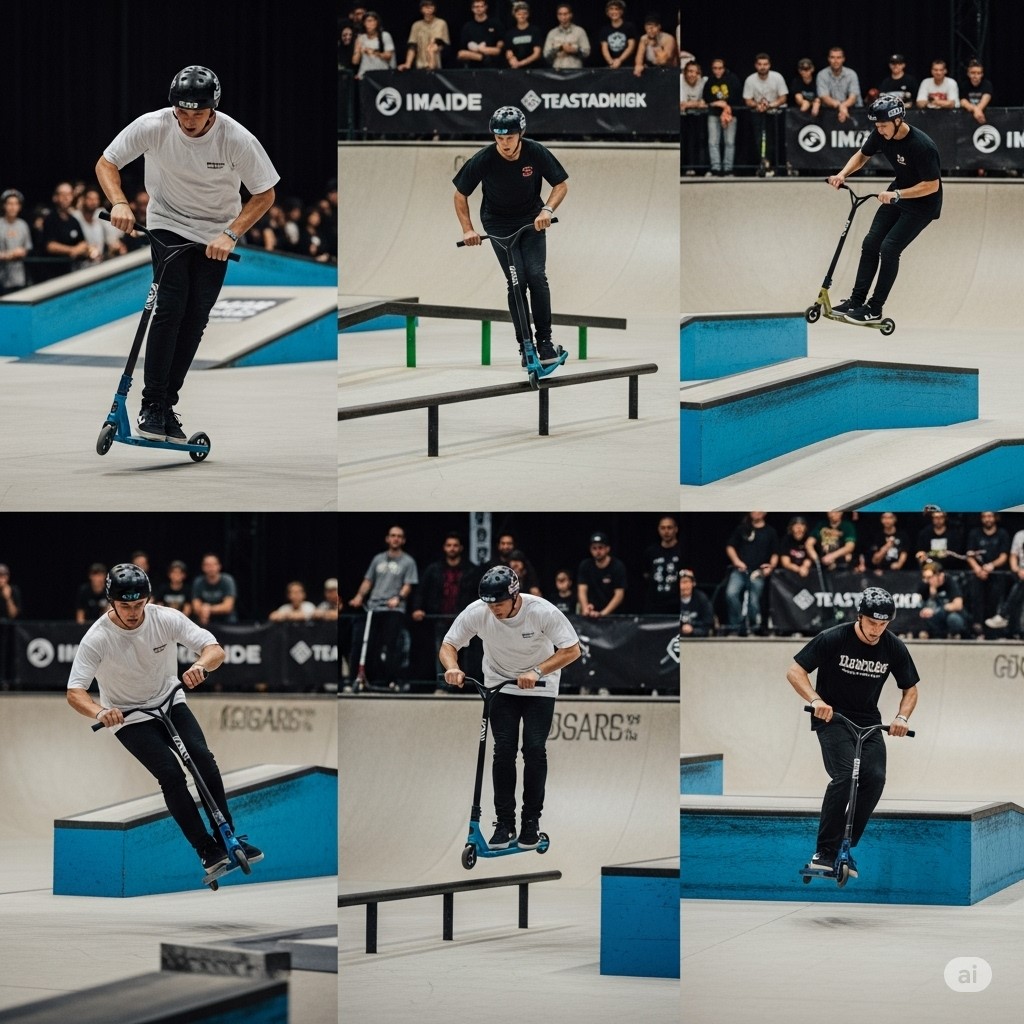
Competitions include street and park formats. Street riders focus on technical tricks using rails, ledges, and stairs. Park riders use ramps, bowls, and boxes for big-air tricks. Events are judged on difficulty, style, creativity, and execution.
Riders like Dakota Schuetz (USA), Ryan Williams (Australia), and Jordan Clark (UK) have dominated the pro scene. Their performances inspire millions and raise the sport’s standards.
Today’s pros train like athletes in other extreme sports. They focus on fitness, nutrition, and mental preparation. Their dedication proves that Scootering is more than just a hobby—it’s a serious pursuit.
Political and Social Impact: Scootering as a Force for Good
Beyond the tricks and competitions, Scootering has gained importance socially and politically. In urban areas, the sport promotes healthy living and positive youth engagement. Scooters offer an alternative to sedentary lifestyles and screen time.
In underserved communities, skateparks often act as safe spaces. Local governments and NGOs invest in Scootering infrastructure to reduce youth crime and improve mental health. These parks become gathering points for expression, inclusion, and friendship.
Scootering also bridges social divides. Riders come from diverse ethnic, economic, and cultural backgrounds. Shared passion breaks down barriers, creating tight-knit communities.
Politically, Scootering has sparked conversations about public space and youth access. Some cities initially banned scooters in public areas, citing noise or safety concerns. However, as the sport gained legitimacy, policies changed.
Today, cities around the world are designing “action sports hubs.” These include features for skateboarding, BMX, and Scootering. By investing in these spaces, governments acknowledge the value of street culture and youth sports.
Activists have used Scootering to promote causes like environmental awareness and anti-bullying. Riders participate in fundraisers, school talks, and community clean-ups. Their influence extends beyond tricks—they lead by example.
As a cultural movement, Scootering fosters creativity, confidence, and community. Its social impact continues to grow.
Rules of the Game: How Scootering is Judged
Scootering competitions follow structured rules to ensure fairness and consistency. These rules vary slightly between events, but the core standards remain the same.
1. Competition Format
Competitions are usually divided into two main formats: Park and Street.
- Park events take place in skateparks with ramps, bowls, and quarter pipes.
- Street events use obstacles like rails, stairs, and ledges to mimic real-world environments.
Each rider performs a run within a set time—usually 45 to 60 seconds.
2. Judging Criteria
Judges score performances using the following factors:
- Difficulty: The technical level of the tricks.
- Execution: Clean landings and control.
- Flow: How smoothly the rider connects tricks.
- Creativity: Original lines or unique use of obstacles.
- Style: Personal flair and confidence.
Scores typically range from 0 to 100. The rider with the highest total wins.
3. Equipment Rules
- Only freestyle scooters are allowed—no electric models.
- Handlebars must be fixed (non-folding) for safety.
- All riders must wear helmets; additional gear is encouraged.
- Scooters must pass a pre-check for safety and compliance.
4. Age Divisions
Amateur contests are divided by age and skill:
- Under 10
- 11–13
- 14–17
- 18+ (Amateur or Pro)
This format ensures fairness and allows young talent to rise.
5. Penalties
Riders lose points for:
- Falling during tricks
- Repeating the same trick multiple times
- Leaving the competition area
Time violations also result in deductions.
These rules keep competitions exciting while prioritizing safety and sportsmanship.
Conclusion: The Future of Scootering
Scootering has come a long way from wooden planks and driveway tricks. It now stands as a legitimate global sport with passionate fans, elite athletes, and a growing infrastructure. Its combination of accessibility, athleticism, and culture makes it unique among action sports.
From youth programs to professional leagues, Scootering continues to evolve. Cities are investing in new skateparks. Brands are supporting up-and-coming talent. Governments and communities recognize its value in youth development.
Socially, it has built bridges between cultures and created positive spaces for expression. Politically, it influences urban planning and community engagement. For many, it’s more than a sport—it’s a lifestyle.
As Scootering enters a new era, its momentum shows no signs of slowing. With each new rider who drops into a bowl or grinds a rail, the sport’s legacy grows stronger.
Whether you’re watching the world championships or cheering on kids at your local park, one thing is clear: Scootering is here to stay.