
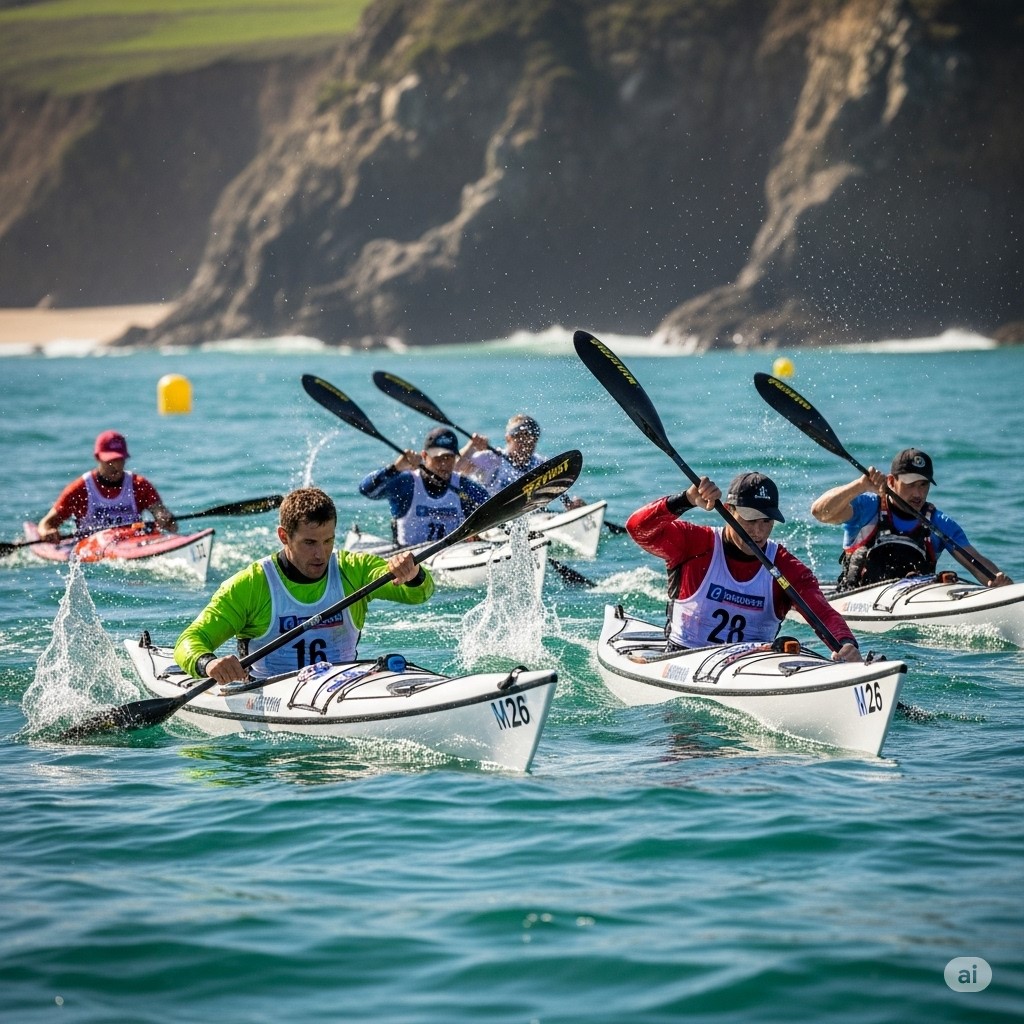
Sea Kayaking: Exploring the World Through Adventure and Water
Sea Kayaking is an exhilarating outdoor sport that blends adventure, endurance, and a deep connection with nature. Originating from ancient practices, this water sport has transformed into a globally recognized activity. Enthusiasts across the world embrace Sea Kayaking for recreation, competition, and even cultural preservation. In this blog post, we’ll explore the fascinating history of Sea Kayaking, its worldwide popularity, how it is played at amateur and youth levels, its professional leagues, the political and social impact it carries, and the core rules that define the sport.
The Origins and History of Sea Kayaking
The roots of Sea Kayaking trace back thousands of years. Indigenous Arctic communities, such as the Inuit and Aleut, developed kayaks for survival. These early kayaks were crafted from driftwood and animal skins. Their primary function was hunting and transportation across icy waters.
These traditional kayaks were narrow, covered vessels. The design minimized water entry and allowed for agile maneuvering. Inuit hunters expertly navigated through harsh conditions, relying on skill, balance, and stealth.
By the 19th century, European explorers began studying these native crafts. They adopted the kayak design for scientific expeditions. Sea Kayaking evolved from a tool of necessity into an instrument of exploration. In the early 20th century, recreational use started gaining popularity in Europe. Germany and the UK pioneered early clubs and races.
During the 1936 Berlin Olympics, kayaking entered the sporting world officially, though in flatwater racing. Sea Kayaking remained a niche until the outdoor recreation boom in the 1960s and 1970s. Equipment advances in fiberglass and plastic spurred widespread interest.
Today, Sea Kayaking honors its roots while embracing modern techniques and technology. From the Arctic to the tropics, it remains a sport of both heritage and innovation.
The Global Popularity of Sea Kayaking
Sea Kayaking has blossomed into a global phenomenon. Coastal nations have embraced it for its accessibility and scenic appeal. Countries like Canada, Norway, New Zealand, and Chile offer some of the most popular destinations.
In North America, British Columbia and Alaska are major hubs. Kayakers enjoy navigating through fjords, spotting whales, and camping along pristine shores. In Europe, the Scottish Isles, Croatian coast, and the Norwegian fjords attract thousands annually.
The Pacific Rim has seen massive growth. In Australia and New Zealand, Sea Kayaking is tied to eco-tourism and indigenous heritage. Southeast Asian countries now offer guided trips around limestone islands and coral reefs.
In South America, Chilean Patagonia presents a rugged, thrilling challenge. Sea Kayakers journey through glacial waters with mountain backdrops. In Africa, places like South Africa’s Garden Route are growing in popularity.
Social media has played a big role in this surge. Stunning kayak photography and storytelling continue to inspire new participants. Equipment improvements have made the sport more approachable to beginners. Outfitters and guided tours make the entry barrier low.
Consequently, Sea Kayaking is no longer regional or seasonal. It thrives in every hemisphere, offering year-round adventure and community.
Sea Kayaking in Amateur and Youth Participation
Amateur Sea Kayaking attracts a diverse audience. People of all ages participate, often starting as hobbyists. The flexibility of the sport allows beginners to paddle on calm waters while experts tackle ocean crossings.
Many schools now include Sea Kayaking in their outdoor education programs. In Canada and Scandinavia, students learn water safety, navigation, and teamwork. These programs build confidence and environmental awareness.
Summer camps often feature kayaking as a core activity. Youth develop coordination, endurance, and respect for nature. In the U.S., organizations like the American Canoe Association provide youth certification and coaching.
Universities offer competitive kayak clubs. Collegiate teams participate in endurance races and skill-based challenges. These events foster community and lifelong appreciation for paddling.
In developing nations, NGOs have introduced Sea Kayaking to support youth development. Programs in South Africa, Vietnam, and Peru use kayaking to teach leadership and conservation.
Local kayak clubs form the backbone of amateur participation. These clubs offer lessons, group outings, and skill workshops. They serve as community centers where experience is shared and friendships formed.
Safety training is a cornerstone. Amateurs learn about tides, weather, and rescue techniques. This education ensures a sustainable and respectful approach to the sport.
Professional Leagues and Global Competitions
Although not as mainstream as team sports, Sea Kayaking has a growing professional scene. The competitive format typically focuses on endurance racing, navigation, and sea conditions.
The World Surf Ski Series is one of the most recognized professional circuits. It involves ocean kayaking with sleek surf skis. Athletes race through challenging waters, from Hawaii to South Africa.
Expedition races like the Yukon River Quest and the WaterTribe Challenge also attract elite kayakers. These events test physical limits and strategic planning over days and hundreds of miles.
The Devizes to Westminster International Canoe Race in the UK is another key event. It spans 125 miles and includes both flatwater and tidal sections. Sea Kayakers compete in tandem and solo divisions.
In New Zealand, the Kathmandu Coast to Coast features kayaking as a critical segment. Athletes transition from mountain runs to whitewater to sea kayaking, making it a true test of versatility.
Sponsorships remain modest, often from gear companies and eco-tourism brands. However, the sport’s authenticity and physical demands continue to attract hardcore adventurers.
Several countries maintain national kayaking associations. These bodies sanction competitions and support athlete development. International governing bodies like the International Canoe Federation (ICF) help standardize rules and promote global participation.
While Sea Kayaking may not yet have a centralized pro league like soccer or basketball, it boasts a passionate and elite competitive tier.
Political and Social Significance of Sea Kayaking
Sea Kayaking carries deep social and political implications. It connects people to water ecosystems and fosters environmental advocacy.
Many Sea Kayakers become vocal conservationists. They witness firsthand the effects of pollution, coastal erosion, and climate change. As a result, kayakers often support marine protection zones and sustainable tourism.
In Canada, indigenous groups use Sea Kayaking to reclaim cultural identity. Traditional kayak designs and paddling routes are revived in ceremonies and youth programs. These efforts blend heritage with modern sport.
In countries like Myanmar and the Philippines, Sea Kayaking has brought tourism to marginalized coastal communities. This provides income while encouraging environmental stewardship.
Politically, Sea Kayaking has highlighted access issues. Activists in the U.S. and Europe have used kayak flotillas in peaceful protests. Events like “Kayaktivism” saw paddlers protest oil drilling in the Arctic.
These movements demonstrate how sports can serve as platforms for civic engagement. Kayakers often organize cleanups, lobby for waterway access, and push for climate action.
Socially, the sport promotes inclusion. Adaptive kayaking programs serve individuals with disabilities. Veterans groups use kayaking as therapy for PTSD.
Furthermore, community events like Paddlefest and National Kayaking Day unite people around common values: nature, fitness, and camaraderie. Sea Kayaking has become more than recreation. It has emerged as a tool for healing, activism, and unity.
Rules and Guidelines of Sea Kayaking
Sea Kayaking differs from racing kayaks or whitewater kayaking. The ocean environment requires specific rules and etiquette to ensure safety and respect.
1. Safety Equipment: Every paddler must wear a personal flotation device (PFD). Additional gear includes a spray skirt, bilge pump, whistle, and paddle float. In cold waters, dry suits or wetsuits are essential.
2. Trip Planning: Kayakers must check weather, tides, and charts before departure. A float plan should be shared with a contact. Group paddling is recommended for beginners.
3. Right of Way: Sea Kayakers must yield to larger vessels. Harbors and busy channels require caution. Paddlers should avoid shipping lanes unless crossing quickly and directly.
4. Environmental Respect: Leave No Trace principles apply. Paddlers must not disturb wildlife or damage vegetation. All trash should be packed out. Anchoring should avoid coral and fragile ecosystems.
5. Group Etiquette: Maintain visual contact with the group. Regular checks and hand signals promote safety. Leaders should set pace and ensure all members are comfortable.
6. Rescue Skills: Paddlers must practice self-rescue and assisted-rescue techniques. Knowing how to re-enter the kayak is crucial in open water.
7. Navigation: Basic skills include reading charts, using a compass, and understanding maritime markers. GPS can supplement but not replace traditional navigation.
8. Night Paddling: Paddlers must carry navigation lights. Reflective gear and high-visibility clothing are vital. Night trips require strong planning and local knowledge.
9. Communication: VHF radios are standard for long trips. Whistles and hand signals aid short-range communication. Cell phones should be waterproof and reserved for emergencies.
These rules ensure that Sea Kayaking remains safe, respectful, and enjoyable for all participants.
Conclusion: Sea Kayaking as a Global Movement
Sea Kayaking has grown far beyond its ancient roots. It offers adventure, personal challenge, and global exploration. The sport connects cultures, fosters community, and supports conservation.
From Arctic hunters to Olympic-level racers, the spirit of Sea Kayaking continues to evolve. Participation spans continents and generations. Schools, clubs, and professionals all contribute to its dynamic growth.
The sport’s impact stretches beyond recreation. It serves as a platform for activism, therapy, and education. As more people discover its potential, Sea Kayaking will continue to inspire and unite.
Whether you’re paddling through misty fjords or sunny coral reefs, Sea Kayaking delivers more than a ride. It offers a journey of discovery, purpose, and connection to the living world.