The Enduring Legacy of Shaolin Kung Fu
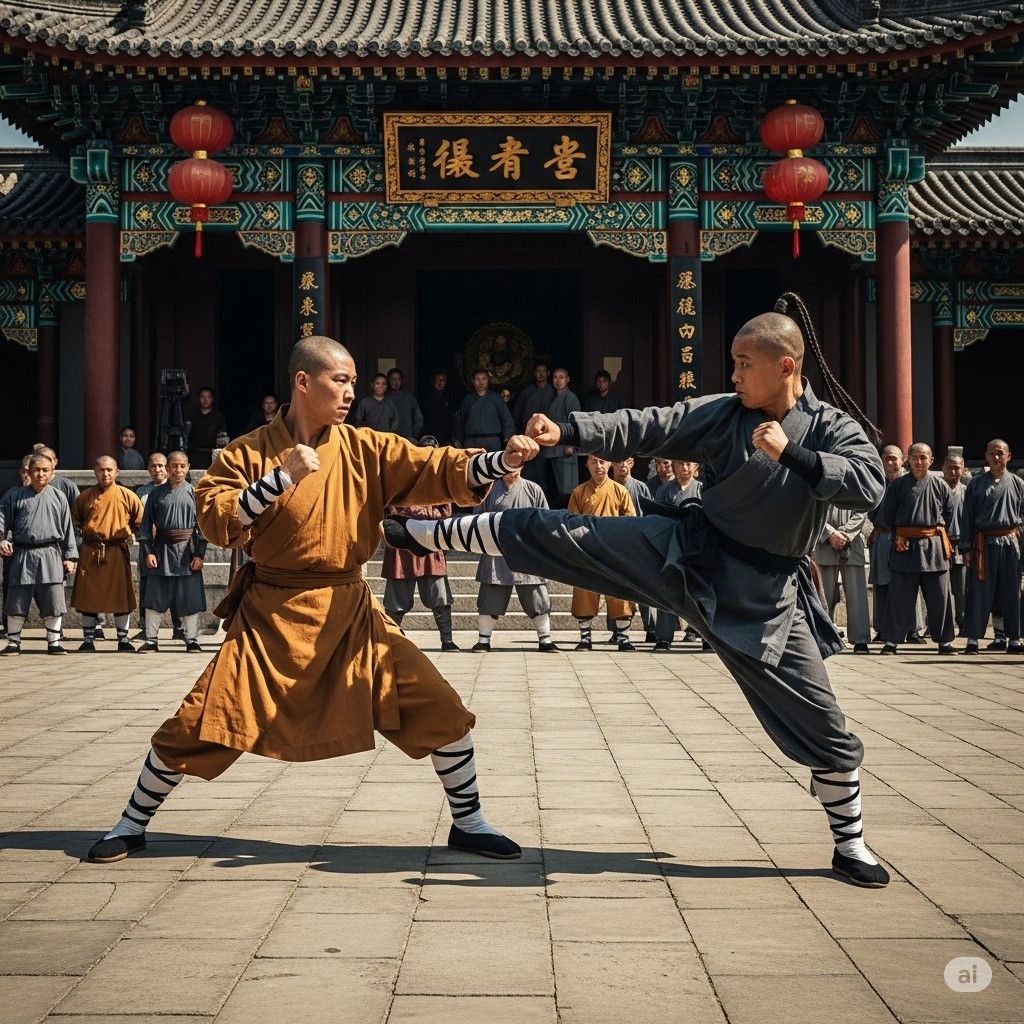
Shaolin Kung Fu has captivated martial arts fans around the world for centuries. Known for its explosive power and graceful movement, this ancient Chinese art is more than combat. It is a way of life, a spiritual practice, and a symbol of cultural pride. While rooted deeply in China, Shaolin Kung Fu has evolved into a global sport and lifestyle. It blends physical prowess, philosophical depth, and cultural heritage. Today, this art form is practiced in over 100 countries and continues to inspire a new generation of martial artists.
The Origins of Shaolin Kung Fu
Shaolin Kung Fu traces its roots back over 1,500 years to the Shaolin Temple in Henan Province, China. According to legend, Indian monk Bodhidharma brought Zen Buddhism to the temple during the 5th century. To help the monks maintain physical fitness and mental discipline, Bodhidharma introduced a series of exercises. These exercises formed the foundation of what later became Shaolin Kung Fu.
Over time, the monks developed these movements into a structured martial art. Influenced by Chinese philosophy, medicine, and military tactics, the art evolved quickly. It became an effective form of self-defense and a meditative discipline. By the Tang Dynasty (618–907 AD), Shaolin monks had earned respect as formidable fighters. They even aided emperors in battle. Thus, Shaolin Kung Fu became legendary across China.
The Historical Evolution
As dynasties rose and fell, Shaolin Kung Fu adapted. During the Ming and Qing Dynasties, it saw a golden age of development. Dozens of unique styles and forms were created. Each style reflected different aspects of nature, philosophy, or strategy. Monks refined techniques such as the Tiger, Crane, Snake, and Dragon styles. These symbolic forms expressed both physical skill and spiritual belief.
The 20th century brought political turbulence to China. Shaolin Temple suffered destruction multiple times, especially during the Cultural Revolution. Yet, the spirit of Shaolin Kung Fu endured. In the 1980s, the Chinese government began restoring the temple and promoting Shaolin culture. This led to a worldwide resurgence of interest.
Global Popularity and Spread
Today, Shaolin Kung Fu is practiced in every corner of the globe. Schools can be found in North and South America, Europe, Asia, and Africa. Enthusiasts of all ages, races, and backgrounds train in its methods. International tournaments are held yearly, showcasing practitioners from dozens of countries.
Media has played a key role in spreading the art. Films like “Shaolin Temple” starring Jet Li, documentaries, and television programs have elevated the global profile of Shaolin Kung Fu. In addition, live performances and world tours by Shaolin monks have drawn millions of fans. These performances blend martial arts, acrobatics, and meditation. As a result, Shaolin Kung Fu has gained recognition as both a sport and performing art.
Amateur Practice and Education
In many countries, amateur Shaolin Kung Fu is taught in martial arts academies, dojos, and even public schools. Children often begin training as young as age five. They learn stances, strikes, kicks, and traditional forms. As they advance, students study weapons, sparring, and internal energy practices like Qigong.
Programs emphasize discipline, respect, and personal growth. This makes Shaolin Kung Fu an appealing activity for youth. It builds confidence, coordination, and focus. Competitions are also popular at the amateur level. These tournaments often include both form demonstrations and controlled sparring. Judges assess performance based on technique, speed, and style.
China has established government-sponsored martial arts schools that include Shaolin Kung Fu in their curricula. These institutions train thousands of students every year. Many of these students go on to become instructors, performers, or even join the elite Shaolin Temple performance teams.
Professional Leagues and Organizations
The professional scene for Shaolin Kung Fu is less formalized than sports like boxing or MMA. However, it does have several influential organizations and events. The Shaolin Temple itself oversees performances and competitions globally. Their touring teams perform in countries like the United States, Germany, Brazil, and South Africa.
Some countries have established national federations dedicated to Shaolin Kung Fu. These organizations create rules, host tournaments, and standardize ranking systems. The International Shaolin Wushu Federation, based in China, coordinates many large-scale competitions. These events include demonstrations, full-contact sparring, and weapon forms.
Although not an Olympic sport, Shaolin Kung Fu plays a role in the broader Wushu community. Many practitioners compete in international Wushu events sanctioned by the International Wushu Federation. Here, they showcase Shaolin styles within broader martial arts tournaments.
Political and Social Significance
Shaolin Kung Fu has served as a symbol of resistance, resilience, and national pride. Throughout Chinese history, Shaolin monks defended their temple and supported national unity. Their commitment to justice and peace earned them legendary status. In modern China, the government promotes Shaolin culture as part of national heritage.
Internationally, Shaolin Kung Fu promotes cultural exchange. It brings people together across borders through shared practice and respect. Programs sponsored by Chinese cultural missions often include Shaolin exhibitions and training sessions. These efforts strengthen diplomatic and people-to-people relations.
In urban communities worldwide, Shaolin Kung Fu offers youth an alternative to crime and violence. Schools use martial arts to teach self-control, discipline, and positive values. It empowers young people to make better life choices. The sport fosters a sense of belonging and purpose.
Moreover, the practice encourages mindfulness, stress reduction, and wellness. As mental health becomes a growing concern globally, Shaolin Kung Fu provides holistic benefits. Meditation and breathing techniques improve emotional stability. Thus, the art has a lasting impact on both individuals and communities.
Rules and Competition Structure
Shaolin Kung Fu competitions typically feature two main categories: Taolu and Sanda. Taolu refers to choreographed routines, while Sanda involves controlled, full-contact sparring.
Taolu (Forms) Competitors perform traditional or modern routines. These include hand forms, weapon forms, and group routines. Judges evaluate based on posture, strength, coordination, rhythm, and expression. Deductions are made for missteps or loss of balance.
Sanda (Free Sparring) Sanda matches follow strict safety rules. Fighters wear protective gear and aim to score points through clean strikes, takedowns, and control. Illegal moves like strikes to the back of the head or groin are penalized. Matches are usually composed of three two-minute rounds.
Competitions often divide athletes by age, weight, and experience level. This ensures fair and safe matchups. Youth divisions use lighter contact rules and focus more on technique than force.
Tournaments follow regulations set by national or international governing bodies. Some regions include cultural and theoretical sections. Participants might take written tests on Shaolin history, philosophy, or ethics.
Cultural Impact and Future Outlook
Shaolin Kung Fu continues to influence popular culture, fitness, and spirituality. Its imagery appears in video games, cartoons, fashion, and wellness products. Celebrities and athletes often endorse or practice Shaolin-style training.
The future looks bright. More schools are opening worldwide, especially in underprivileged areas. Online classes, virtual seminars, and streaming platforms have made training more accessible. People can now learn Shaolin Kung Fu without visiting China.
Young practitioners carry forward the traditions with pride and creativity. They blend ancient techniques with modern training methods. This fusion keeps the art relevant and exciting.
Governments and cultural organizations continue to invest in preserving and promoting the art. In 2010, UNESCO added Chinese martial arts, including Shaolin Kung Fu, to its list of Intangible Cultural Heritage. This recognition affirms its global importance.
Conclusion
Shaolin Kung Fu remains one of the most respected and influential martial arts in the world. Its roots are deep, and its branches reach far. From ancient temples to modern sports arenas, it continues to grow and evolve. The art represents strength, discipline, and peace.
Whether practiced for fitness, competition, or personal growth, Shaolin Kung Fu has something to offer everyone. Its impact reaches beyond the training floor, touching lives, shaping communities, and building bridges across cultures. As long as there is a desire for balance between body and mind, this timeless art will endure.