
The Global Sport of Sikaran: History, Rules, and Cultural Significance
Sikaran is a traditional Filipino martial art that blends powerful kicking techniques with deep cultural roots. Originating centuries ago in the Philippines, it has evolved from a local pastime into a structured sport with global recognition. Practiced in various countries today, Sikaran embodies both athletic skill and national pride. The sport’s balance between heritage and modern competition has helped it grow beyond the archipelago, reaching enthusiasts across Asia, North America, and Europe.
The Origin and History
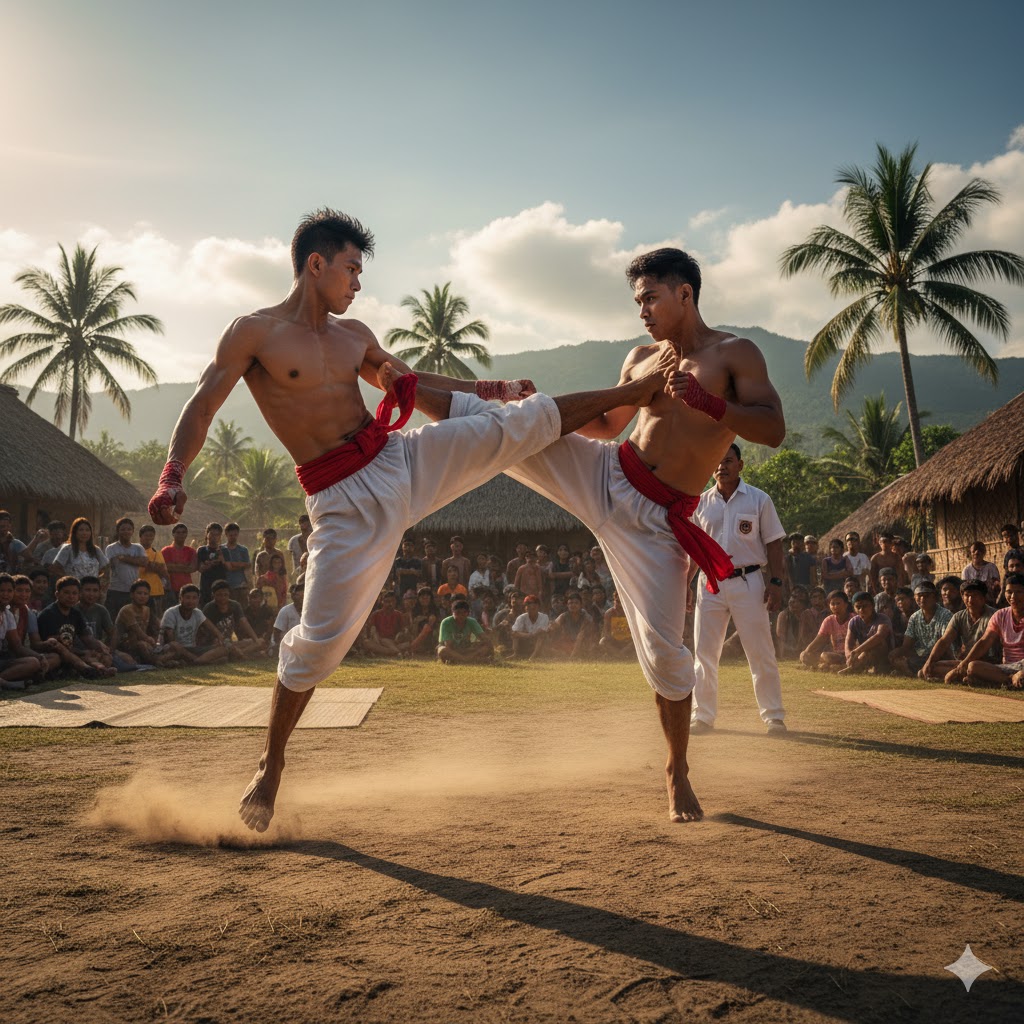
Sikaran traces its beginnings to the pre-colonial Philippines, long before foreign influences shaped Filipino martial culture. The term “Sikaran” comes from the Filipino word sikad, meaning “kick.” The early Filipinos developed the art as a form of self-defense and entertainment during village gatherings. Rural farmers, particularly in the province of Rizal, often tested their kicking strength against each other after working in the fields. The contest wasn’t merely about power—it also demonstrated balance, speed, and precision.
During these early contests, fighters used only their legs to strike opponents. Hands were reserved for blocking or maintaining balance. This unique approach distinguished Sikaran from other martial arts such as Arnis, which emphasized weapons, or Kuntaw, which involved more hand strikes. Over time, Sikaran evolved into a sophisticated system with defined stances, tactics, and kicking techniques.
As Spanish colonization spread across the Philippines in the 1500s, traditional martial arts like Sikaran were practiced discreetly. Spanish authorities discouraged indigenous combat training for fear of uprisings. However, Sikaran persisted in the countryside, passed down through generations as both a sport and a form of resistance.
In the 1950s, Grandmaster Meliton Geronimo of Baras, Rizal, played a vital role in reviving and formalizing Sikaran. He codified its techniques, developed uniform training methods, and introduced competitive rules. His efforts helped transform Sikaran from a regional folk game into a recognized martial art. The establishment of the Sikaran Brotherhood of the Philippines brought legitimacy to the sport, paving the way for international exhibitions and competitions.
The Global Popularity
Today, Sikaran is practiced worldwide. Although it remains most popular in the Philippines, it has gained a strong following in Canada, the United States, Australia, and parts of Europe. Filipino communities abroad have been instrumental in spreading the art to new audiences. Schools and dojos led by Filipino masters teach both traditional and sport versions of Sikaran.
In Canada, Sikaran clubs have thrived since the 1970s. Filipino immigrants brought the sport with them, forming organizations that hold annual tournaments. The Canadian Sikaran Association has promoted the martial art in schools and community centers, helping young athletes connect with Filipino heritage.
In the United States, Sikaran schools are active in states such as California, Texas, and New York. The art attracts not only Filipino-Americans but also martial artists seeking a new challenge. Its emphasis on kicking techniques appeals to practitioners of Taekwondo and Karate, offering a distinctive perspective on leg-based combat.
Australia and parts of Europe have also embraced Sikaran. Regular tournaments and cultural showcases feature demonstrations of the sport, highlighting its graceful yet powerful movements. These events often coincide with Philippine Independence Day celebrations, connecting sport and cultural identity.
The World Sikaran Brotherhood of the Philippines, based in Baras, continues to lead global coordination. The organization oversees rules, certifications, and international competitions. Through these efforts, Sikaran maintains its authenticity while adapting to the expectations of modern sports.
Amateur Sikaran Around the World
Amateur Sikaran thrives in local communities, schools, and universities. In the Philippines, it is commonly introduced to students through physical education programs or extracurricular clubs. Children learn the basic stances, balance techniques, and ethical principles that underpin the sport. Teachers emphasize discipline, respect, and sportsmanship—core values in Filipino martial arts.
Youth tournaments serve as stepping stones for aspiring competitors. These events feature weight divisions, allowing fair matches between participants. Young athletes gain valuable experience while learning to control their power and maintain composure. Coaches often stress that victory is less important than self-improvement and teamwork.
In North America, amateur Sikaran programs cater to both Filipino youth and non-Filipino participants. Many schools blend traditional forms with competitive sparring to make the art accessible to a broader audience. The emphasis on leg strength and coordination benefits children’s physical development, while cultural lessons promote appreciation for Filipino history.
Colleges in the Philippines also support Sikaran through intercollegiate competitions. Students train under certified instructors and participate in events sanctioned by the Philippine Sikaran Association. These tournaments help identify future champions who may represent their country internationally.
Community centers, especially in provinces like Rizal and Laguna, host friendly matches that preserve the sport’s original spirit. Matches are often held outdoors on dirt fields, just as they were centuries ago. Despite modern training facilities, many practitioners still cherish this connection to their ancestors.
Professional Leagues and Global Competitions
The growth of professional Sikaran leagues has elevated the sport to new heights. The World Sikaran Brotherhood of the Philippines (WSBP) serves as the central authority, organizing world championships and promoting standardization. Under its guidance, professional leagues have emerged in Asia, North America, and Europe.
The Philippine National Sikaran League holds annual competitions featuring elite fighters. These athletes dedicate years to mastering advanced kicking combinations and tactical strategies. Professional Sikaran matches attract large audiences, especially during national celebrations and sports festivals.
In Canada and the United States, professional Sikaran tournaments feature international participants. Events such as the North American Sikaran Cup bring together fighters from various backgrounds. These tournaments promote camaraderie and cross-cultural exchange, showcasing how a Filipino martial art can unite people globally.
European countries like France, Italy, and Germany also host professional Sikaran events. The European Sikaran Federation collaborates with the WSBP to ensure consistency in judging and scoring. Professional fighters compete for ranking points, similar to systems used in other martial arts like Karate and Taekwondo.
Media coverage and online streaming have contributed to the sport’s growth. Highlight reels of powerful kicks and dramatic matches have introduced Sikaran to global audiences. Professional athletes often serve as ambassadors, teaching seminars and conducting demonstrations worldwide.
The Political and Social Significance
Sikaran holds deep cultural and social meaning in the Philippines. It represents more than physical competition—it reflects national pride and historical resilience. During the colonial period, Filipinos used traditional martial arts like Sikaran to maintain identity and independence. Today, the sport continues to symbolize unity and self-reliance.
Politically, Sikaran is often promoted as a source of national pride. Government agencies such as the Philippine Sports Commission recognize it as part of the country’s cultural heritage. National tournaments receive state support, encouraging youth participation and cultural preservation. These initiatives help keep the sport alive in a rapidly globalizing world.
Socially, Sikaran strengthens community bonds. Training halls or dojos serve as gathering places where individuals of all ages interact. Practitioners learn respect for elders, humility in victory, and perseverance in defeat. The values taught in Sikaran extend beyond the mat, influencing personal behavior and community involvement.
Internationally, Sikaran plays a diplomatic role. Cultural exchange programs often include demonstrations of Filipino martial arts. These exhibitions foster goodwill and understanding between nations. By sharing the art abroad, the Philippines showcases its rich traditions and promotes unity through sport.
Sikaran also empowers youth, especially in underserved communities. Training provides structure and discipline, helping young people channel energy into positive pursuits. Many instructors use the sport as a tool for mentorship, guiding students away from harmful influences and toward constructive goals.
The Rules and Structure of Sikaran
The sport of Sikaran follows a clear set of rules that prioritize safety, fairness, and skill. Matches typically take place on a circular mat, reflecting the sport’s traditional origins in open fields. Competitors wear protective gear, including helmets, chest guards, gloves, and shin pads.
A bout usually consists of three rounds lasting two minutes each. Fighters score points through clean, controlled kicks to designated target areas. The head, torso, and sides are valid zones for scoring. Unlike other martial arts, punches are limited or sometimes prohibited, emphasizing the kicking tradition.
Judges award points based on precision, control, and impact. A perfectly executed biyakid—a signature spinning back kick—earns higher scores due to its difficulty. Fighters must demonstrate balance and control after each technique to avoid penalties.
Penalties apply for excessive force, unsportsmanlike conduct, or stepping outside the ring. Safety is paramount, and referees have the authority to stop the match if a competitor is injured. Victory can occur through points, knockout, or referee decision.
In addition to sparring events, Sikaran tournaments often include forms or anyo competitions. These showcase the artistic side of the sport, emphasizing rhythm, timing, and beauty of motion. Practitioners perform prearranged sequences that highlight technical mastery and discipline.
Weight divisions ensure fair competition. Categories typically range from lightweight to heavyweight, allowing athletes of similar size to compete evenly. Both men and women participate, and mixed-gender exhibitions occasionally occur in cultural festivals.
The Techniques and Training Methods of Sikaran
Sikaran training focuses heavily on developing powerful and precise kicks. Practitioners learn fundamental stances that provide stability and mobility. The tayakad stance, for example, helps maintain balance during high kicks. Core techniques include front kicks (sikad harap), side kicks (sikad tagilid), and back kicks (biyakid).
Flexibility and conditioning are crucial. Training sessions often begin with stretching, followed by drills that enhance leg strength and speed. Practitioners perform hundreds of kicks per session to refine accuracy. Sparring develops timing and strategy, while anyo practice cultivates grace and control.
Instructors emphasize mental discipline as much as physical ability. Students learn humility, patience, and respect for opponents. Traditional rituals such as bowing before and after matches reinforce these values.
Modern Sikaran schools integrate sports science into their programs. Strength training, nutrition, and injury prevention are part of an athlete’s routine. Video analysis helps fighters study their techniques and improve performance.
Cultural Preservation Through Sikaran
Sikaran serves as a bridge between the past and present. Efforts to preserve it include festivals, documentaries, and educational initiatives. Each year, the Sikaran Festival in Baras, Rizal, celebrates the sport’s heritage through parades, competitions, and cultural exhibits. The event attracts visitors from around the world, reaffirming Sikaran’s place in Filipino identity.
Martial arts historians continue to research and document the sport’s evolution. Schools collaborate with cultural institutions to ensure that the techniques, terminology, and rituals remain authentic. These preservation efforts ensure that future generations understand Sikaran not only as a sport but as a living tradition.
The Future of Sikaran
The future of the sport looks promising. As global interest in martial arts grows, more people seek alternatives that offer both cultural depth and athletic challenge. Sikaran’s distinct emphasis on kicking, combined with its Filipino roots, makes it stand out in a crowded field of combat sports.
Technology also supports its expansion. Online tutorials, virtual training sessions, and live-streamed tournaments have increased accessibility. Aspiring practitioners from remote regions can now learn from certified instructors through digital platforms.
The dream of including Sikaran in multi-sport events like the Southeast Asian Games continues to inspire advocates. With international federations now standardizing rules and rankings, the sport moves closer to broader recognition. Its blend of tradition, discipline, and artistry ensures it will remain relevant for generations.
Conclusion
Sikaran is more than a martial art—it is a reflection of Filipino resilience, creativity, and pride. From its humble beginnings in the fields of Rizal to international arenas, the sport has journeyed through history with grace and strength. Its unique focus on kicking sets it apart from other martial arts, while its cultural depth connects athletes to their heritage.
Amateur and professional leagues continue to expand, nurturing new generations of practitioners worldwide. Politically and socially, Sikaran unites communities, promotes discipline, and preserves a vital piece of Filipino culture. As it continues to evolve and inspire, Sikaran stands as a testament to how tradition and modern sport can thrive together.