Skateboarding Vertical Best Trick: The Sport’s Origin, Growth, and Global Impact
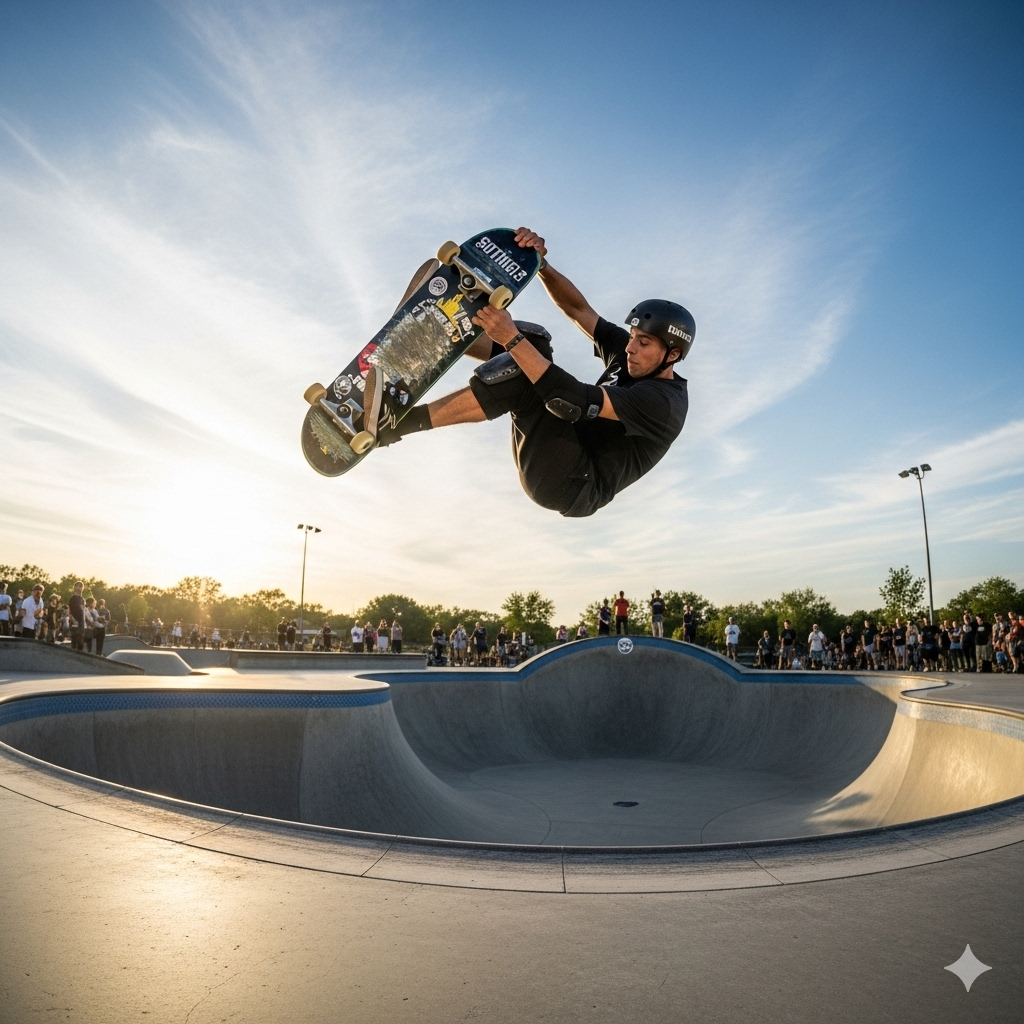
Skateboarding Vertical Best Trick represents one of the most thrilling competitions in extreme sports. Riders climb towering ramps, launch into the air, and attempt daring tricks that showcase both creativity and precision. This event pushes the boundaries of skateboarding while attracting fans who crave excitement. Skateboarding Vertical Best Trick has become a signature showcase at major contests worldwide, blending art, sport, and culture. Its growing popularity has made it an important part of the skateboarding landscape, from amateur riders to professional leagues.
The Origin and History of Vertical Skateboarding
Skateboarding began in the late 1940s and early 1950s in California. Surfers wanted to replicate the feeling of riding waves on land when the ocean was flat. They attached roller skate wheels to wooden boards and created the first skateboards. This early version lacked control but gave birth to a culture of experimentation.
By the 1970s, skateboarding shifted from flat streets to vertical terrains. Empty swimming pools became makeshift skate parks. Riders like Tony Alva and Jay Adams pioneered vertical riding, carving walls and inventing new tricks. Vertical skateboarding took shape when ramps were constructed specifically for skaters. Wooden halfpipes appeared across California, and riders began pushing technical limits.
The 1980s marked the true rise of vertical competitions. Skateboarding contests highlighted tricks performed on massive ramps. During this time, legendary skaters like Tony Hawk advanced the sport by inventing spins, flips, and grabs that had never been seen before. The Best Trick format emerged in contests where skaters attempted their hardest and most creative tricks during a set timeframe. Judges rewarded difficulty, style, and execution, making each performance unpredictable.
The introduction of the X Games in 1995 brought vertical skateboarding to a global audience. Millions watched riders perform gravity-defying stunts on ESPN. Best Trick events quickly became crowd favorites because they delivered suspense and drama. Each skater had one chance to land something spectacular. These competitions shaped the identity of modern vertical skateboarding and paved the way for future innovation.
Global Popularity of Skateboarding Vertical Best Trick
Today, vertical skateboarding enjoys worldwide popularity. Countries across Europe, Asia, and South America have built skateparks with professional-level vert ramps. The United States remains the hub, with cities like Los Angeles and San Diego hosting major events. However, nations like Brazil, Japan, and Spain have produced riders who dominate global contests.
Brazil holds a special place in the vertical skateboarding scene. Riders such as Sandro Dias became household names by mastering the Mega Ramp, an even larger extension of vert ramps. The country’s skateboarding culture thrives on community and public skateparks, which nurture young talent.
Japan has also risen to prominence, producing disciplined riders who excel in technical execution. Government investment in sports infrastructure and Olympic recognition of skateboarding have fueled this growth. Japanese skaters inspire global audiences with their consistency and creativity.
Europe contributes through countries like the United Kingdom, France, and Germany, each with strong skateboarding communities. International contests like the Simple Session in Estonia showcase vert skaters from across the continent.
The X Games, Dew Tour, and Olympic events broadcast worldwide ensure that audiences in every region can experience Skateboarding Vertical Best Trick competitions. Social media platforms like YouTube, TikTok, and Instagram amplify the sport even further, allowing skaters to share clips instantly. This global reach has cemented vertical skateboarding as a defining extreme sport.
Amateur Skateboarding Vertical Best Trick
Amateur riders form the foundation of the sport’s growth. Around the world, youth programs and schools have integrated skateboarding into recreational activities. Cities now recognize skateparks as essential facilities, just like basketball courts or soccer fields.
Children often begin skating on smaller ramps before advancing to vert ramps. Local skate contests sometimes include Best Trick challenges, where amateurs compete for prizes or recognition. These events emphasize creativity rather than perfection, encouraging participation.
Skateboarding camps also play a major role. Camps like Woodward in the United States provide world-class vert ramps for young skaters. Coaches help youth improve skills and understand competition formats. Many professional skaters began their journeys at such camps.
In Europe, skateboarding is often linked to youth culture programs supported by local governments. These programs reduce barriers by offering free equipment and safe training areas. Vertical skateboarding becomes accessible to children from diverse backgrounds.
In Asia, schools in Japan and China have started including skateboarding in extracurricular activities. Parents see it as a way to build confidence, balance, and discipline. As more youth adopt the sport, future generations will continue to push boundaries.
Amateur events also connect riders with sponsors. Young skaters who excel in local Best Trick contests may attract the attention of brands. Sponsorship helps them progress to professional ranks while representing their communities on a global stage.
Professional Leagues and Competitions
The professional landscape of vertical skateboarding revolves around high-profile leagues and contests. The X Games remains the most recognized platform. Its Best Trick events deliver massive audiences and highlight groundbreaking performances. Riders who succeed here often become household names.
The Dew Tour also plays a critical role. It focuses on innovation and progression, offering skaters opportunities to test new tricks in front of international audiences. Vert competitions in Dew Tour events feature both individual runs and Best Trick formats.
The World Skateboarding Federation (WSF) oversees skateboarding as part of the Olympic framework. While park and street disciplines are more common in the Olympics, vertical skateboarding remains relevant through affiliated events and exhibitions. Best Trick contests often serve as exciting showcases at these gatherings.
Mega Ramp competitions, such as those at the X Games, expand the concept of vert skating. Riders launch off ramps several stories high, combining long-distance jumps with technical tricks. Best Trick on the Mega Ramp demands both courage and precision.
Professional skaters often travel globally to participate in tours. Brands like Red Bull and Vans sponsor international series that include Best Trick challenges. These events not only promote competition but also connect skateboarding to lifestyle and fashion.
Female professional skaters have also transformed vertical skateboarding. Legends like Bucky Lasek and Tony Hawk paved the way, but today female skaters such as Lizzie Armanto have established themselves as role models. Inclusion of women in professional vertical competitions strengthens the sport’s global reach and influence.
Political and Social Significance
Skateboarding has always carried political and social meaning. It began as a counterculture movement, often clashing with traditional norms. Vertical skateboarding, with its bold performances, symbolizes freedom and defiance.
Cities once banned skateboarding in public areas. Skaters responded by creating their own spaces and demanding recognition. Over time, governments realized the value of skateparks as tools for youth development and social inclusion. This shift represents political acceptance of skateboarding as a legitimate sport.
Skateboarding Vertical Best Trick holds special cultural significance. It represents risk-taking, innovation, and individuality. Riders express themselves through their choice of tricks, style, and execution. Fans admire the courage it takes to attempt something that has never been done before.
Socially, vertical skateboarding unites diverse groups. Skaters from different countries and backgrounds share a common language of tricks and creativity. Competitions encourage respect, as athletes cheer for each other’s success despite being rivals.
The Olympic inclusion of skateboarding sparked debates about commercialization versus authenticity. Yet it also validated skateboarding as a sport worthy of global recognition. Best Trick competitions maintain the rebellious energy that fans value, even as the sport enters mainstream platforms.
In many regions, skateboarding provides opportunities for disadvantaged youth. Nonprofit organizations build ramps and teach skateboarding in areas lacking recreational resources. Vertical competitions inspire children to dream bigger and challenge limitations. The social impact extends beyond sport into community building and personal empowerment.
Rules of Skateboarding Vertical Best Trick
The Best Trick format has unique rules that distinguish it from traditional vertical contests. Each event typically involves a set timeframe, usually 10 to 20 minutes. During this window, riders take turns attempting their hardest tricks on the vert ramp.
Judges evaluate based on difficulty, style, execution, and originality. Landing a trick cleanly earns higher scores than bailing or sketchy landings. Creativity matters as well. Repeating a trick already performed by another skater may receive lower points unless executed with superior style.
Competitors often strategize by saving their hardest trick for the final moments. The suspense builds as the clock winds down. Fans anticipate whether someone will land something historic at the last second.
Safety is a crucial aspect. Helmets and pads are mandatory in most contests. Skaters must also respect turn order to prevent collisions. Failure to follow safety protocols can result in disqualification.
Some contests allow unlimited attempts within the timeframe, while others limit the number of tries. This variation affects strategies. Riders who have fewer attempts must focus on precision, while unlimited formats encourage riskier tricks.
Mega Ramp Best Trick contests follow similar principles but on a larger scale. Riders may use different sections of the ramp, such as the gap or the quarterpipe, to perform tricks. Judges consider both sections when scoring.
The clarity of these rules ensures fairness while leaving room for creativity. Each competition delivers fresh excitement because no two Best Trick events are the same.
Conclusion
Skateboarding Vertical Best Trick has evolved from its roots in empty pools to a celebrated showcase of creativity and skill. Its history reflects skateboarding’s journey from counterculture to mainstream recognition. Today, it thrives globally, with amateurs and professionals contributing to its growth.
Youth programs, professional leagues, and international contests continue to shape the sport. Politically and socially, it represents freedom, inclusivity, and empowerment. Rules ensure fair competition while allowing riders to innovate and inspire.
From local skateparks to global broadcasts, Skateboarding Vertical Best Trick captures the imagination of fans worldwide. It blends risk, style, and artistry into moments that remain unforgettable. The sport will keep pushing limits, just as skaters always have.