
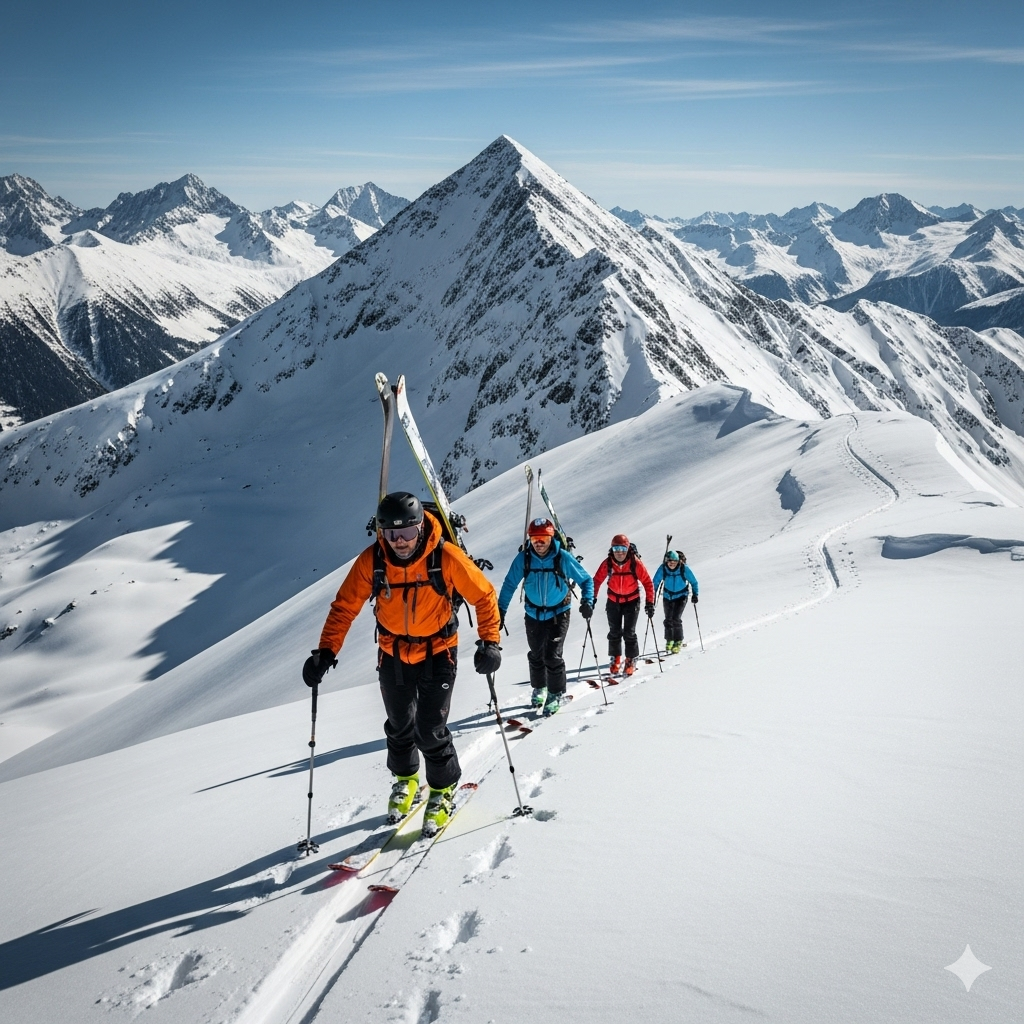
Ski Touring: A Deep Dive into the Sport
Ski Touring is one of the most exciting and adventurous sports connected to snow and mountains. It blends exploration, endurance, and skiing skills into a unique outdoor experience. Unlike resort skiing, Ski Touring emphasizes climbing and descending untouched terrain. The sport attracts people worldwide who enjoy independence, fitness, and the beauty of nature. This article explores the origins, global popularity, amateur involvement, professional leagues, social impact, and rules of Ski Touring in detail.
The Origins and History of Ski Touring
Ski Touring began as a necessity long before it became a sport. Ancient communities in northern Europe relied on skis to move through snowy landscapes. Archeological finds in Scandinavia reveal ski-like tools dating back thousands of years. People carved wood into long planks and used animal skins for grip. These early skis allowed hunters and travelers to cross deep snow efficiently.
By the 18th and 19th centuries, skis became essential for soldiers and explorers. Armies in Scandinavia used them for winter patrols. Expeditions into polar regions also adopted skis for long journeys. Ski Touring grew from survival into recreation during this time.
In the late 19th century, European alpine communities embraced skiing for leisure. Skiers began climbing mountains and descending through powder snow. The activity soon attracted enthusiasts who valued the freedom of leaving ski resorts behind. Norway, Austria, and Switzerland played critical roles in shaping early Ski Touring culture.
By the 20th century, Ski Touring expanded further. Clubs formed to promote safe mountain travel. Equipment improved with steel edges and better bindings. Skin technology evolved as climbers used seal skins, and later synthetic skins, for uphill traction.
In the 1970s and 1980s, lightweight gear made Ski Touring more accessible. Boots and bindings became easier to use. Advances in avalanche safety equipment allowed more people to attempt remote routes. What began as survival transformed into a popular outdoor sport enjoyed globally.
Global Popularity of Ski Touring
Today Ski Touring enjoys strong popularity in regions with snowy mountains. Europe remains the heart of the sport, particularly the Alps. Countries like Switzerland, France, Austria, and Italy attract thousands of touring enthusiasts every winter. The sport blends well with the long alpine tradition of mountaineering.
Norway also holds a special place. The country’s ski heritage, open mountain access, and cultural pride make Ski Touring a common activity for locals and tourists.
North America has seen rapid growth as well. Colorado, Utah, and the Pacific Northwest provide world-class terrain. Canada’s British Columbia is another hub, with endless backcountry routes and guided tours.
In Asia, Japan has become a hotspot. The island of Hokkaido offers deep powder and scenic landscapes. Ski Touring is increasingly popular among international visitors seeking unique snow conditions.
New Zealand offers another destination. The Southern Alps provide challenging terrain and stunning views. Australia has smaller but growing communities in its alpine regions.
Globally, Ski Touring has grown because of multiple factors. Travelers seek adventure beyond crowded resorts. Environmental awareness inspires people to explore natural terrain without lifts. Advances in equipment also reduce barriers for newcomers.
Amateur Ski Touring
Amateur Ski Touring attracts people of all ages. The sport provides a physical challenge and a chance to experience nature. Beginners often start with short tours near ski resorts. Many ski areas now offer designated routes for uphill climbs, making the sport safer for newcomers.
Youth participation is growing. Schools in mountain regions sometimes include Ski Touring in their outdoor programs. Students learn avalanche safety, navigation, and climbing techniques. This early introduction creates long-term interest.
Clubs also play an important role. Local associations organize group tours, training sessions, and workshops. These clubs provide community and safety for amateurs. Members often include both experienced guides and new participants.
Recreational Ski Touring does not require competition. Many amateurs enjoy day trips with friends or solo explorations. Some choose multi-day tours, carrying camping gear and sleeping in mountain huts. The experience can be as relaxed or intense as the participant wishes.
The amateur side of Ski Touring emphasizes safety. Avalanche beacons, probes, and shovels are standard equipment. Knowledge of snow conditions is critical. Beginners often attend courses on mountain safety before attempting longer routes.
Amateur growth has been boosted by social media. Photos of untouched landscapes inspire people to try the sport. Adventure travel companies also promote guided tours, allowing new participants to learn from experts.
Professional Leagues and Competitions
While Ski Touring is primarily recreational, professional leagues and competitions exist worldwide. The sport is often called “ski mountaineering racing” in competitive form.
The International Ski Mountaineering Federation (ISMF) oversees major competitions. Founded in 2008, the ISMF organizes World Championships and World Cups. Athletes compete in multiple categories, including sprints, vertical climbs, and long-distance races.
Events combine uphill skiing with downhill technical sections. Racers must carry essential equipment, including avalanche gear. The races test both endurance and technical skill.
Europe remains the center of competitive Ski Touring. France, Switzerland, and Italy host prestigious races. The Pierra Menta in France is one of the most famous events, featuring four days of intense racing.
The Winter Olympic Games may also include Ski Touring in the future. The International Olympic Committee has recognized the sport, and inclusion discussions continue. Olympic exposure could raise the profile of professional athletes significantly.
In North America, events are growing. Colorado hosts several annual races. Canada also has competitive leagues linked to ski mountaineering.
Professional athletes train year-round. Summer training includes running, cycling, and mountaineering. Winter training focuses on speed, endurance, and avalanche readiness. These athletes inspire amateurs and highlight the sport’s global reach.
Political and Social Significance
Ski Touring carries political and social importance beyond the sport itself. Access to mountain terrain often involves government regulation. In Europe, countries balance tourism, environmental protection, and local culture. Open mountain access in Norway reflects national pride in outdoor traditions.
Environmental concerns are central. Ski Touring advocates promote low-impact recreation compared to resort skiing. The sport requires no lifts or large infrastructure, reducing environmental strain. This position often influences debates about sustainable tourism.
Socially, Ski Touring fosters community. Clubs and associations bring people together. Shared tours build trust, friendship, and responsibility. Participants often describe the sport as inclusive and cooperative.
The sport also reflects social trends. Growing interest in health, fitness, and mindfulness aligns with Ski Touring’s demands. People value the quiet, challenging environment of natural mountains.
Political discussions also occur around safety. Governments regulate avalanche zones, rescue services, and access laws. Policies often emerge after tragic accidents. Countries debate how to balance freedom and safety for participants.
Furthermore, the sport connects with cultural identity. In alpine regions, Ski Touring reflects heritage and local pride. Communities celebrate their traditions through tours, races, and festivals.
Rules of Ski Touring
Ski Touring follows several important rules to ensure safety and fairness, especially in competitive settings.
- Equipment Rules
- Skis must have touring bindings allowing both free-heel climbing and locked-heel descent.
- Climbing skins must be used for uphill sections.
- Avalanche safety gear, including beacon, shovel, and probe, is mandatory.
- Climbing Rules
- Climbers must follow designated ascent routes in competitions.
- Switchbacks and efficient technique are encouraged.
- Participants may not interfere with other climbers.
- Descent Rules
- Skiers must complete designated downhill sections.
- Falls must be recovered quickly to avoid blocking others.
- Helmets and protective gear are often required.
- Safety Rules
- Competitors must carry emergency equipment.
- Weather and avalanche conditions are monitored closely.
- Officials may cancel or shorten races for safety reasons.
- Fair Play Rules
- External assistance is prohibited unless allowed by event rules.
- Athletes must respect the environment. Littering is forbidden.
- Sportsmanship is expected in all interactions.
Outside competition, informal rules guide amateurs. Skiers must check avalanche forecasts before trips. Group members should travel together and communicate clearly. Respecting nature and other users is central to the touring culture.
Conclusion
Ski Touring blends history, culture, and modern adventure into a unique winter sport. Its roots stretch back to ancient survival practices in Scandinavia. Over centuries, it has grown into a beloved activity worldwide. Europe, North America, Asia, and Oceania all provide opportunities for participants.
Amateurs enjoy freedom and exploration, while professionals push limits in global competitions. Politically, the sport influences environmental debates and land use policies. Socially, it strengthens communities and fosters outdoor values. Rules ensure safety, fairness, and respect for nature.
In the end, Ski Touring offers more than skiing. It offers a deeper connection with the mountains, personal growth, and community. Its global rise reflects modern desires for challenge, beauty, and independence in the natural world.