
Impact
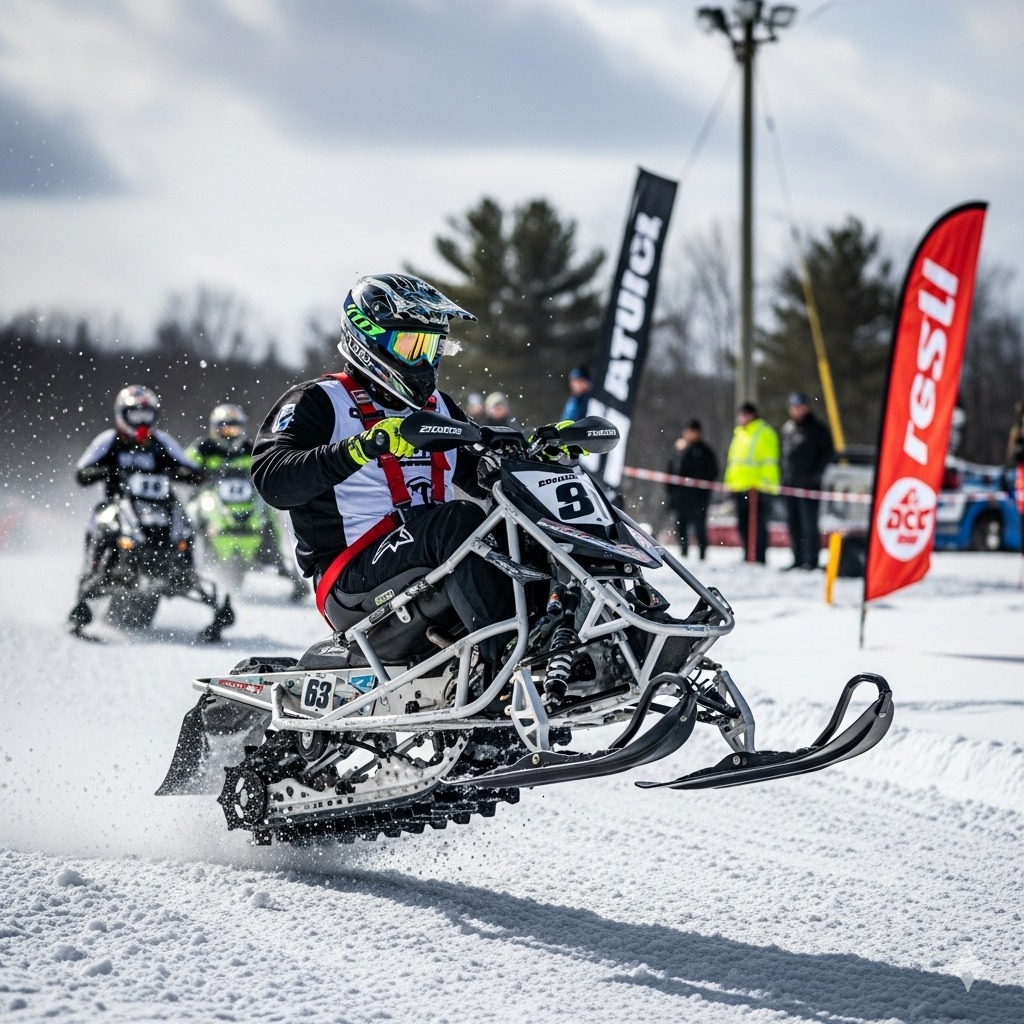
Snocross Adaptive is a thrilling winter motorsport that combines speed, resilience, and accessibility. Born from the traditional sport of snocross, this adaptive version empowers athletes with disabilities to compete at the highest levels. The sport has rapidly grown in recognition, creating opportunities for individuals who refuse to be limited by physical challenges. Today, Snocross Adaptive highlights human determination while capturing the imagination of fans across the world.
The Origin and History of Snocross Adaptive
Snocross itself started in the 1960s in North America, primarily in snow-heavy regions such as Minnesota and Canada. Riders used snowmobiles to race on challenging tracks filled with jumps, turns, and bumps. The sport mirrored motocross but was played on frozen landscapes instead of dirt.
As snowmobile racing gained traction, attention turned to inclusivity. Adaptive sports were already expanding in the 1980s and 1990s, with events like wheelchair basketball and adaptive skiing gaining prominence. By the late 1990s, pioneers in snowmobile racing began exploring how people with disabilities could also compete.
Special modifications were introduced to snowmobiles to accommodate a variety of physical needs. Riders with lower limb disabilities were given custom seating systems and hand controls. Athletes with upper limb challenges had their snowmobiles equipped with specialized throttle and brake configurations.
The first official Snocross Adaptive races appeared in the early 2000s at regional snowmobile competitions in the United States. By 2010, Snocross Adaptive had secured recognition at major snowmobile events, including the Winter X Games. That visibility elevated the sport onto the global stage and inspired more athletes to pursue competition.
Over time, technological innovation pushed Snocross Adaptive forward. Engineers designed suspension systems to provide greater stability. Helmets and body supports were re-engineered to minimize risk for adaptive riders. Every improvement made the sport safer and more competitive.
Global Popularity of Snocross Adaptive
The sport’s growth has been most prominent in North America and Scandinavia. Regions with long winters and snowmobile cultures have embraced Snocross Adaptive as both entertainment and inspiration. Minnesota, Wisconsin, and Michigan regularly host adaptive competitions alongside traditional snocross events.
Canada has also seen steady growth. Provinces such as Quebec and Alberta hold adaptive races, often during snow festivals and winter carnivals. The visibility within Canadian winter sports culture has made Snocross Adaptive a recognizable and respected discipline.
In Scandinavia, Sweden and Norway have integrated adaptive competitions into their snowmobile racing calendars. Both countries support adaptive athletes through sports federations and local racing clubs. The European model emphasizes community-based inclusion, ensuring young athletes are introduced early.
Internationally, interest has grown in Japan and Russia, two nations with strong snowmobile communities. While not yet as developed as in North America, exhibitions and small-scale adaptive competitions have begun appearing. These early steps are laying the groundwork for broader global expansion.
Broadcasts of Snocross Adaptive at the X Games have helped increase awareness worldwide. Fans inspired by the determination of adaptive athletes have shared highlights across social media platforms. This organic growth has introduced millions to a sport they might not otherwise discover.
Amateur Snocross Adaptive: Youth and Schools
Amateur Snocross Adaptive plays a crucial role in developing future athletes. Local clubs and schools with winter sports programs often host introductory sessions. These events focus on safety, fundamental skills, and confidence building.
Young athletes with disabilities are encouraged to participate using specially designed snowmobiles. Some programs even allow shared riding experiences, where coaches ride tandem to guide beginners. This approach ensures accessibility for children who may need extra support.
In the United States, community organizations partner with adaptive sports nonprofits to create entry-level leagues. Families play a vital role, often volunteering as mechanics, mentors, or event organizers. This close-knit environment fosters camaraderie and encourages long-term participation.
Schools in snowy regions are slowly incorporating adaptive snow sports, including Snocross Adaptive, into extracurricular offerings. Programs often overlap with adaptive skiing or sled hockey, creating multi-sport opportunities for students. The exposure helps children explore diverse activities while promoting physical fitness.
In Europe, clubs dominate the amateur scene. Scandinavian towns frequently hold weekend events where youth can learn both traditional and adaptive snocross. Coaches emphasize skill development but also stress teamwork, inclusion, and safety.
Amateur competitions are typically less intense than professional races. Tracks are shortened, and safety measures are heightened. Helmets, full suits, and protective gear are mandatory. The goal is to ensure that riders experience the thrill of competition without unnecessary risk.
Professional Leagues and Organizations
Professional Snocross Adaptive competitions often take place alongside mainstream snocross championships. In North America, the International Series of Champions (ISOC) has been a strong supporter. The ISOC schedule often features adaptive classes where athletes showcase their skills.
The Winter X Games has provided the highest-profile platform. Adaptive snowmobile events have been included as official disciplines, giving athletes a chance to compete on global television. This recognition has legitimized the sport and inspired thousands of future participants.
Other leagues, such as the Canadian Snowcross Racing Association, also support adaptive racing. Their commitment ensures that Canadian athletes have consistent opportunities to compete professionally.
In Scandinavia, national federations oversee adaptive racing. Sweden’s Svenska Snöskoterförbundet has worked to formalize rules, train referees, and expand participation. Norway follows a similar model, ensuring adaptive classes are fully integrated within national snowmobile championships.
These professional leagues are critical not only for competition but also for advocacy. They secure sponsorships, invest in research for safer equipment, and promote the sport through media channels. Corporate sponsors, including snowmobile manufacturers, have recognized the marketing power of inclusion. By supporting adaptive athletes, they demonstrate commitment to diversity and innovation.
Political and Social Significance
Snocross Adaptive carries profound political and social weight. At its core, the sport challenges stereotypes about disability. It proves that physical limitations do not equate to barriers against competition, thrill, or excellence.
Politically, governments have used the sport to showcase inclusivity. Hosting adaptive competitions demonstrates commitment to disability rights and accessibility. In regions like Scandinavia, state funding supports adaptive sports as part of national health and equality programs.
Socially, the sport inspires audiences by showcasing resilience. Adaptive athletes embody perseverance, and their performances resonate with fans. Many communities have rallied around local adaptive competitors, raising funds and offering support.
The sport also plays a role in education. By introducing adaptive snow sports in schools, young people learn to value diversity and inclusion early. Watching peers with disabilities excel changes perspectives and builds empathy.
Nonprofit organizations use Snocross Adaptive to raise awareness about accessibility issues. Events often double as fundraisers for adaptive equipment or rehabilitation programs. As a result, the sport functions as both entertainment and advocacy.
Rules of Snocross Adaptive
The rules of Snocross Adaptive are similar to traditional snocross, with added guidelines for safety and fairness.
- Track Design: Tracks include jumps, turns, and moguls but are sometimes shortened to reduce risk.
- Snowmobiles: Adaptive modifications are allowed but must meet strict safety standards. All vehicles undergo inspection before races.
- Protective Gear: Helmets, body armor, padded suits, and boots are mandatory. Adaptive braces and supports are also permitted.
- Race Format: Races are typically short, lasting between 10 to 15 minutes. Multiple heats determine finalists.
- Starting Procedures: Riders line up side by side. False starts result in penalties or disqualification.
- Passing and Contact: Aggressive contact is prohibited. Riders must pass cleanly without endangering competitors.
- Scoring: Points are awarded based on finishing positions. Championship series crown overall winners based on cumulative points.
- Medical Staff: Events require on-site medical teams trained in adaptive injuries. Quick response protocols are standard.
These rules ensure fairness while protecting athletes. Governing bodies constantly update regulations as technology advances and participation grows.
The Future of Snocross Adaptive
The future of Snocross Adaptive looks promising. Advances in snowmobile technology will allow for even more specialized adaptive equipment. Lighter materials, advanced shock absorbers, and digital controls will enhance performance.
Global awareness will continue to expand, particularly through digital media. Social platforms already amplify athlete stories, creating viral moments that attract new fans. As awareness grows, more nations will host adaptive competitions.
Youth participation will remain the foundation of growth. Schools and community clubs will drive inclusivity by offering affordable entry points. Sponsorship from manufacturers and nonprofits will ensure sustainable development.
Politically, the sport will likely gain more attention as governments highlight adaptive athletics in national programs. International recognition could even lead to Snocross Adaptive being showcased at global winter sporting festivals.
Socially, the sport will inspire future generations. Each athlete who competes demonstrates the limitless potential of the human spirit. Fans will continue celebrating not just the racing, but also the courage and determination behind each performance.
Final Thoughts
Snocross Adaptive stands as more than just a sport. It is a celebration of accessibility, innovation, and determination. From its origins in North America to its growing global presence, it continues to inspire audiences everywhere. Amateur and professional leagues provide pathways for athletes, while rules ensure safety and fairness.
The sport’s political and social significance ensures that it remains an important platform for advocacy and inclusivity. As technology advances and awareness spreads, Snocross Adaptive will continue to grow. Ultimately, it demonstrates that the thrill of competition belongs to everyone, regardless of physical challenges.