
The Ultimate Guide to Snow Mountain Bike Racing: Origins, Growth, Rules, and Global Reach
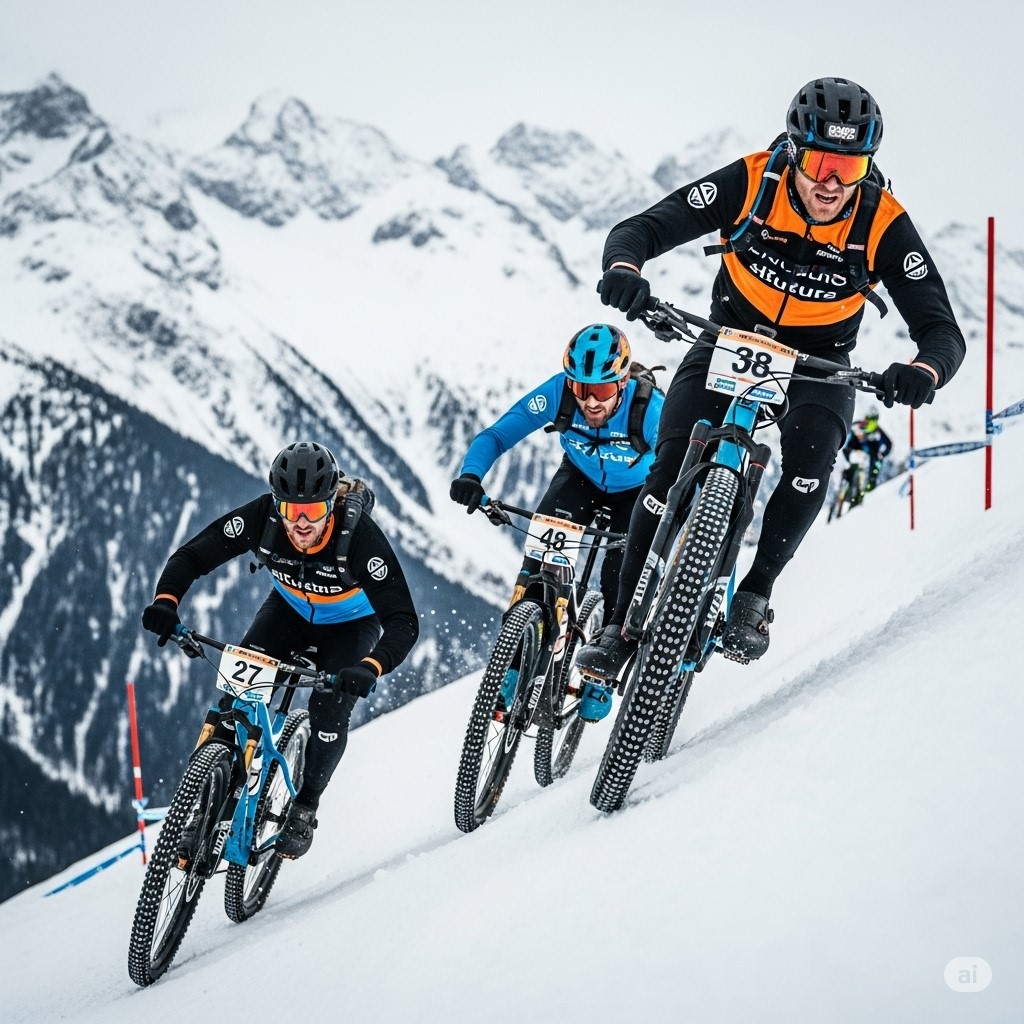
Snow Mountain Bike Racing is one of the most thrilling and visually stunning extreme sports in the world today. This winter variant of mountain biking combines speed, skill, and snowy terrains to create a unique racing experience. Enthusiasts from around the globe flock to icy trails and steep slopes to challenge themselves and compete. With rapid growth over the past few decades, Snow Mountain Bike Racing continues to draw attention at both amateur and professional levels.
The Origins and History of Snow Mountain Bike Racing
Snow Mountain Bike Racing traces its roots back to the 1980s. It originated in mountainous regions where avid cyclists didn’t want to stop riding during winter months. In places like Colorado, the Alps, and British Columbia, bikers began to modify their mountain bikes to perform better on snow-covered trails.
Early racers experimented with tire pressure, tread patterns, and frame geometry. Snow-specific components like studded tires and fat bikes with wider rims emerged. These innovations allowed riders to maintain traction and control on slippery surfaces.
The sport gained formal recognition in the early 1990s. Local competitions began appearing in ski resorts during the off-hours or in the offseason. Ski slopes offered ideal terrain for downhill snow racing. Resorts saw an opportunity to attract more visitors, and event organizers capitalized on the growing interest.
In 1995, the first international snow bike race took place in Switzerland. That event marked a significant milestone. By the early 2000s, national snow biking championships were being held in Canada, France, and the United States.
Global Popularity of the Sport
Over the past two decades, Snow Mountain Bike Racing has grown globally. Europe, North America, and parts of Asia have become key regions for this sport. In Europe, France and Switzerland dominate the competitive scene. Events like the Megavalanche in Alpe d’Huez attract thousands of riders and spectators each year.
In North America, Canada is a hotspot for snow racing. The province of British Columbia boasts a strong winter sports culture. Many Canadian ski resorts host snow bike races. The U.S. has also seen increasing popularity, particularly in Colorado, Utah, and Vermont.
Asia has embraced the sport as well. Japan, with its mountainous terrain and snowy winters, has hosted several national championships. China is also investing in snow sports and includes snow biking in some winter festivals.
Social media and streaming platforms have fueled the sport’s exposure. Spectacular downhill races and high-speed crashes make for exciting content. Athletes gain followers, and brands gain visibility, creating a vibrant online community.
Amateur Racing Around the World
Amateur Snow Mountain Bike Racing has flourished alongside the professional scene. Local clubs and community groups organize races during winter months. These events range from casual fun rides to highly competitive regional contests.
In North America, amateur races often occur at ski resorts. Organizers use existing ski infrastructure, such as lifts and groomed slopes. Riders of all skill levels can participate, often grouped by experience or age.
In Europe, amateur leagues are well-developed. France has regional snow biking associations that host regular winter competitions. Switzerland and Austria also run amateur circuits, often tied to local winter festivals.
Schools have embraced the sport as part of winter athletics. In snowy regions, some high schools include snow biking in their extracurricular offerings. Youth development programs offer training sessions and entry-level races.
For children and teens, the focus remains on safety, skills, and fun. Bike manufacturers now produce youth-sized fat bikes. Helmets, pads, and protective gear are mandatory. These youth programs help foster the next generation of racers.
Professional Leagues and Global Competitions
Professional Snow Mountain Bike Racing includes a variety of international and national circuits. The UCI (Union Cycliste Internationale) recognizes snow racing as a category within mountain biking. While not yet an Olympic sport, efforts are underway to elevate its status.
The Megavalanche is one of the most famous professional races. Held in France, it features a mass-start downhill race on glacier terrain. Hundreds of riders descend simultaneously in a breathtaking display of chaos and skill.
The Snow Epic in Switzerland is another premier event. This multi-day stage race combines endurance and technique over varied snow conditions. Riders from across the globe compete in different formats, including cross-country and downhill.
In North America, the Fat Bike World Championships attract elite talent. These races take place on snow-packed trails in states like Colorado and Minnesota. Winners earn international recognition and sponsorship opportunities.
Japan and South Korea have launched national circuits with strong support from local governments. These countries aim to build winter tourism through such events. Prize money, media coverage, and athlete development programs help grow professional racing in Asia.
Political and Social Significance
Snow Mountain Bike Racing holds both political and social importance. Politically, the sport has become a tool for tourism promotion. Local governments partner with race organizers to boost winter tourism. Resorts that host snow biking events see increased revenue and international attention.
Socially, the sport promotes outdoor activity in winter. It encourages people to stay active during colder months. This has positive implications for physical and mental health.
Snow racing events foster community. Families and friends gather to watch or participate. The inclusive nature of the sport, with divisions for youth, amateurs, and professionals, helps build social bonds.
Environmental concerns also come into play. Snow racing promotes sustainable tourism compared to other winter sports. Bikes require no fuel and produce minimal noise pollution. Many races use existing ski infrastructure, minimizing new construction.
The sport also intersects with broader discussions about climate change. Shorter winters and unpredictable snowfall impact race scheduling. Organizers now explore artificial snow and higher elevation venues to mitigate these issues.
Detailed Rules of the Sport
Snow Mountain Bike Racing follows a set of defined rules to ensure safety and fairness. While specifics vary by event and location, core principles remain consistent.
1. Bike Specifications: Riders must use bikes equipped for snow. Fat bikes with wide tires (at least 3.8 inches) are standard. Some races allow modified mountain bikes with studded tires. Suspension systems are common but not always required.
2. Protective Gear: Helmets are mandatory. Most events also require gloves, goggles, and pads. Full-face helmets are preferred for downhill races. Riders must dress for cold conditions while maintaining mobility.
3. Race Formats: Snow bike races include various formats. These can be downhill, cross-country, slalom, or mass-start. Downhill races involve timed descents on steep slopes. Cross-country events include circuits with climbs and technical sections. Mass-start races begin with all riders at once, testing both speed and strategy.
4. Course Markings and Safety: Courses are clearly marked with flags, tape, and signs. Marshals monitor the track and assist in emergencies. Riders must stay within designated boundaries. Leaving the course can result in disqualification.
5. Timing and Scoring: Electronic timing chips are standard in most races. Results are based on fastest time or finishing position. Some events use point systems across multiple stages.
6. Categories and Divisions: Participants are grouped by age, gender, and skill level. Categories often include Youth (under 16), Junior (16-18), Open (all ages), and Masters (40+). Separate divisions for men and women are common.
7. Weather and Conditions: Organizers assess weather conditions for safety. Heavy snowfall, icy trails, or high winds can delay or cancel races. Riders must adapt to variable terrain, including powder, packed snow, and ice patches.
8. Code of Conduct: Sportsmanship is a key principle. Riders must respect others, follow race rules, and avoid reckless behavior. Cheating or unsportsmanlike conduct can lead to penalties or bans.
Final Thoughts
Snow Mountain Bike Racing is a dynamic, growing sport that captures the spirit of winter adventure. From its humble beginnings in snowy backcountry trails to global competitions drawing elite athletes, the sport continues to evolve.
With support from local communities, schools, and international organizations, Snow Mountain Bike Racing has carved out its niche. It delivers excitement, promotes health, and supports sustainable winter tourism. As interest continues to rise, so will the opportunities for riders of all ages and skill levels to take part in this thrilling winter sport.