
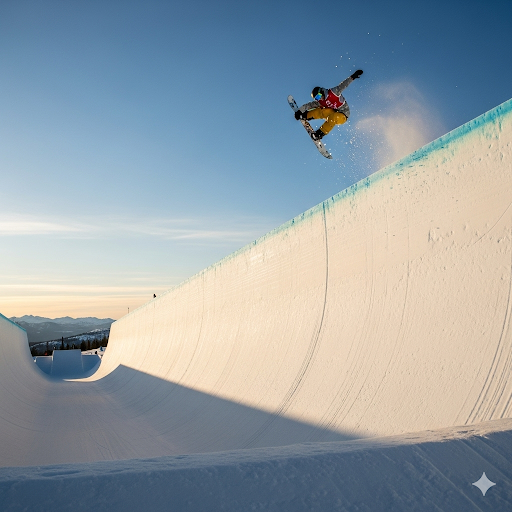
The Thrilling World of Snowboarding Superpipe
Snowboarding Superpipe is one of the most spectacular and daring winter sports. It blends athleticism, artistry, and pure adrenaline into a single breathtaking discipline. Fans love the intensity, and athletes push themselves to unimaginable limits. In this blog post, you will learn everything about Snowboarding Superpipe. From its origin and global growth to amateur opportunities, professional leagues, social importance, and its detailed rules, the sport deserves a closer look.
The Origin and History of Snowboarding Superpipe
The story of Snowboarding Superpipe begins with the rise of snowboarding itself. Snowboarding emerged in the 1960s and 1970s. It was inspired by surfing, skateboarding, and skiing. Riders wanted a new way to enjoy the mountains, and strapping boards to their feet brought freedom.
In the early years, snowboarders were not widely accepted at ski resorts. Many slopes banned them, seeing the sport as rebellious. Despite that, snowboarding grew steadily, fueled by young enthusiasts and creative pioneers. Riders started experimenting on halfpipes, borrowing ideas from skateboarding ramps.
The first snow halfpipes appeared in the early 1980s. Tahoe City, California, hosted one of the earliest known versions in 1983. Riders carved walls of snow into U-shapes, testing their ability to soar into the air.
By the late 1980s and early 1990s, professional snowboarding competitions began showcasing halfpipe events. This exposure helped refine the format. The walls became taller, transitions smoother, and tricks more daring.
The X Games, launched in 1997, pushed the halfpipe into mainstream attention. Spectators worldwide saw snowboarders performing flips, spins, and grabs in giant snow arenas. Soon, the halfpipe grew into what we now call the “Superpipe.”
A Superpipe is larger and steeper than traditional halfpipes. The walls stand at least 18 feet high, with smooth transitions that launch riders skyward. The size allows for more spins, more flips, and greater amplitude.
In 1998, snowboarding made its Olympic debut in Nagano, Japan. The halfpipe event instantly became one of the most-watched competitions. Riders like Ross Powers, Shaun White, Kelly Clark, and Chloe Kim turned into household names.
The sport continued to evolve, with Superpipes now built in top resorts worldwide. Each year, new tricks redefine what is possible. Riders continually push limits, showing that the history of Snowboarding Superpipe is still being written.
Global Popularity of Snowboarding Superpipe
Snowboarding Superpipe is now a global sensation. Fans pack stadiums at winter sports events. Millions watch live broadcasts and highlight reels online. The sport appeals to young audiences who enjoy speed, creativity, and risk.
North America has been a major driver of its growth. Resorts in Colorado, Utah, and California build some of the world’s best Superpipes. Events like the Winter X Games in Aspen attract athletes and fans from every corner of the globe.
Europe is also a major hub for Superpipe competitions. Switzerland, France, and Austria host world-class events. European resorts invest heavily in snow parks, drawing tourists and professionals alike.
Asia has rapidly embraced the sport as well. Japan has a deep snowboarding culture, with Nagano’s Olympic legacy boosting interest. South Korea and China are building state-of-the-art facilities, especially after Beijing 2022, where snowboarding events gained huge audiences.
In Oceania, Australia and New Zealand host major competitions during the northern off-season. Their mountains serve as training grounds for top athletes.
Snowboarding Superpipe resonates because it combines athletic performance with artistry. Spectators enjoy the visual spectacle while athletes chase innovation. Social media amplifies this popularity, with viral videos of jaw-dropping runs inspiring new riders every season.
Amateur Snowboarding Superpipe
Amateur snowboarding is the backbone of the sport. It begins with youth programs and grows into school and club-level competitions. Young riders look up to professionals and dream of mastering the Superpipe.
Ski resorts often run youth snowboarding camps. These programs teach basics like stance, carving, and small tricks. As riders progress, they graduate to larger pipes and start learning aerial maneuvers.
High schools and colleges in snow-rich regions sometimes sponsor snowboarding teams. Local and regional competitions provide a platform for riders to showcase their skills. Amateur circuits create a pipeline for future stars.
Snowboarding academies also exist in the United States, Canada, and Europe. They blend traditional education with professional coaching. Riders train year-round while keeping up with schoolwork.
Youth-focused organizations like the United States of America Snowboard and Freeski Association (USASA) host competitions that feed into larger events. These give young athletes exposure and experience.
Amateurs worldwide benefit from increased access to training facilities. Resorts construct smaller halfpipes and beginner-friendly parks. This ensures safe progression and encourages participation.
Amateur snowboarding fosters community. Riders cheer each other on, celebrate progression, and share the joy of learning. Many future professionals, including Olympians, started in these grassroots programs.
Professional Leagues and Competitions
The professional side of Snowboarding Superpipe is highly organized. Several leagues and tours highlight the sport’s best athletes.
The FIS Snowboard World Cup serves as the official international circuit. It includes Superpipe events and crowns world champions. The International Ski Federation (FIS) oversees the competitions and sets regulations.
The Winter X Games, held annually in Aspen, remain the crown jewel for many riders. Winning gold at the X Games can define a career. The event brings unmatched media attention and sponsorship opportunities.
The Dew Tour is another high-profile series in the United States. It blends competition with lifestyle elements, creating a unique culture around snowboarding.
The Olympic Games remain the ultimate stage. Snowboarding halfpipe competitions draw global audiences in the tens of millions. Olympic champions often become icons, inspiring the next generation.
Professional snowboarding also thrives in Asia. China’s recent investments in winter sports infrastructure have created new competition opportunities. Japanese riders are also among the strongest in the world.
Sponsors play a huge role in professional leagues. Major brands provide financial support and gear. This relationship keeps athletes focused on progression and performance.
Professional leagues show how far the sport has come. What started as a rebellious pastime is now a global industry with structured competition.
Social and Political Significance
Snowboarding Superpipe holds important cultural meaning. It began as a symbol of rebellion against traditional skiing culture. Over time, it became a mainstream sport while keeping its edgy identity.
Socially, the sport inspires youth. It promotes creativity, self-expression, and resilience. Snowboarding teaches riders to face fear and embrace risk, lessons that carry into everyday life.
The sport has also influenced fashion and music. Snowboarding culture blends hip-hop, punk, and surf influences into a unique style. Outerwear brands and streetwear labels often cross over into mainstream fashion.
Politically, snowboarding’s inclusion in the Olympics was significant. It represented recognition of alternative sports in traditional global competitions. The decision also marked the International Olympic Committee’s effort to attract younger viewers.
Nations also use snowboarding success as a point of pride. Olympic medals in Superpipe boost national visibility and promote winter tourism. Countries like the United States, Japan, and Switzerland benefit from their riders’ achievements.
Snowboarding communities also advocate for environmental awareness. Since the sport relies on snow, climate change is a major concern. Many athletes use their platforms to promote sustainability and push for action on global warming.
The sport continues to unite people from diverse backgrounds. It fosters inclusivity, encourages creativity, and provides a platform for youth to thrive.
Rules of Snowboarding Superpipe
Snowboarding Superpipe competitions follow clear rules. These ensure fairness and allow judges to score performances consistently.
The Pipe
A Superpipe must have walls at least 18 feet high. The U-shaped structure includes smooth transitions that allow for maximum speed and amplitude. The length usually extends over 500 feet.
The Run
Each rider gets multiple runs. The best score counts toward the final ranking. Athletes must stay inside the pipe boundaries at all times.
Judging Criteria
Judges evaluate based on several factors:
- Amplitude: The height a rider achieves above the pipe’s lip.
- Execution: The cleanliness and control of tricks.
- Difficulty: The technical challenge of spins, flips, and grabs.
- Variety: Using different tricks and both walls of the pipe.
- Progression: Performing new or innovative moves.
- Flow: Maintaining smooth transitions between tricks.
Scoring
Scores are typically out of 100 points. The highest total wins. Consistency matters, but one spectacular run can secure victory.
Safety
Riders must wear helmets. Events have medical teams on standby. Pipes are groomed with precision to reduce risk.
Conduct
Sportsmanship is mandatory. Riders must respect officials, judges, and fellow competitors.
These rules create a balance between creativity and competition. They reward risk-taking while ensuring athlete safety.
The Future of Snowboarding Superpipe
The future looks bright for Snowboarding Superpipe. Innovation continues at every level. Young riders constantly push the boundaries of what is possible.
Technology will play a key role. Better snowmaking and grooming allow for more consistent Superpipes. Video analysis tools help athletes refine technique. Virtual reality may even enhance training.
Global participation will expand. Countries investing in winter sports will produce new champions. International competition will grow fiercer.
Environmental concerns will remain central. Resorts are adopting greener practices. Athletes are using their voices to push for climate action. The sport’s future depends on snowy winters, making sustainability vital.
Culturally, the sport will keep inspiring music, fashion, and media. The image of a snowboarder flying out of a Superpipe will never lose its appeal.
The journey of Snowboarding Superpipe proves that sports can evolve from subculture to mainstream. With passion, creativity, and daring athletes, its story is far from over.
Final Thoughts
Snowboarding Superpipe stands at the crossroads of sport, art, and culture. Its origin tells a story of rebellion and its growth shows the power of creativity and athleticism. Its global reach proves its appeal across borders.
Amateurs nurture its foundation, while professionals showcase its peak. Socially, it inspires expression and resilience. Politically, it reflects recognition and national pride. Its rules strike the right balance of freedom and fairness.
Whether you watch from the sidelines, train in a local halfpipe, or dream of Olympic glory, Snowboarding Superpipe delivers awe every time. It will continue to soar higher as each generation takes it to new heights.