
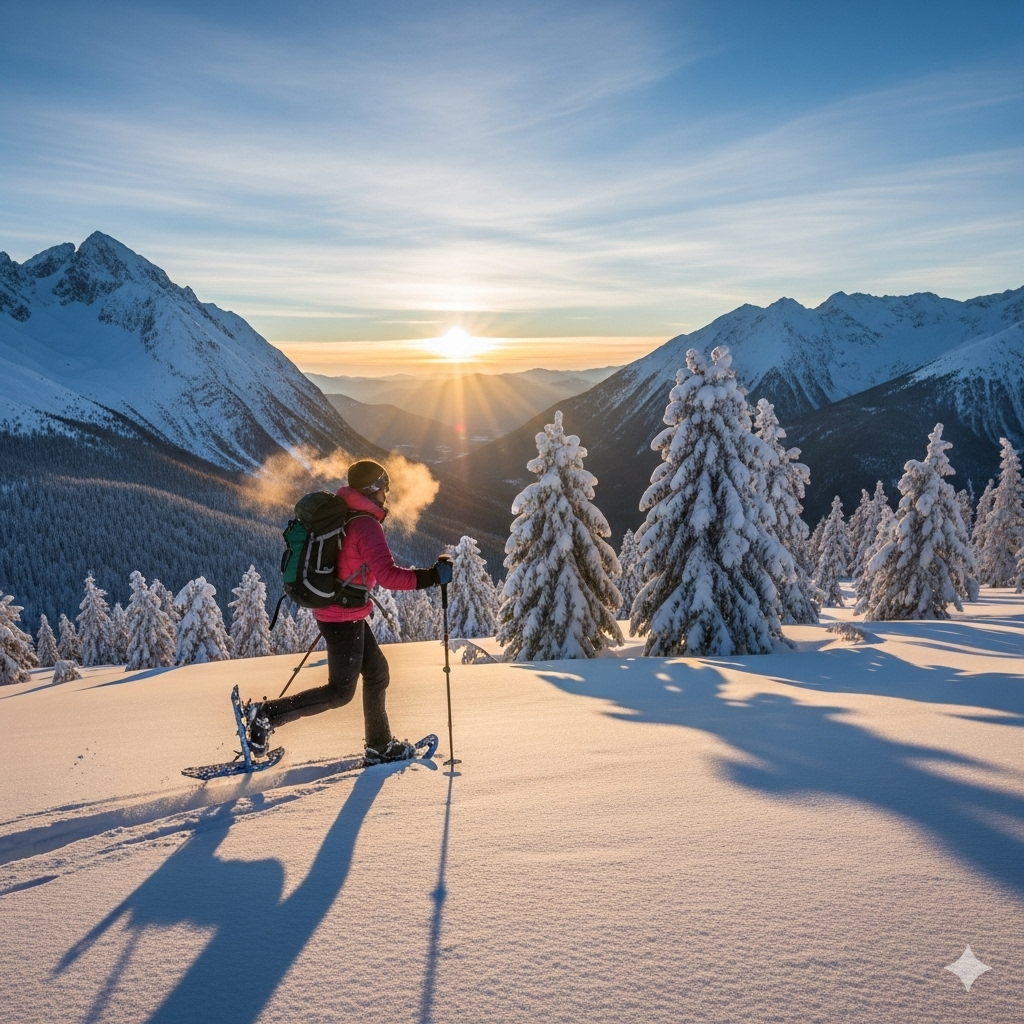
Snowshoeing: A Deep Dive into the History, Popularity, and Rules of the Winter Sport
Snowshoeing is one of the oldest winter activities still enjoyed today. This sport combines endurance, exploration, and a connection to nature. Unlike skiing or snowboarding, snowshoeing requires no steep slopes or expensive gear. Instead, participants strap on specially designed snowshoes and walk across snowy terrain. This activity has deep historical roots, modern global popularity, and both amateur and professional participation. In this post, we will explore its history, growth, leagues, social impact, and rules in detail.
The Origin and History of Snowshoeing
The roots of snowshoeing reach back thousands of years. Early humans in snowy regions needed a way to move across deep snow without sinking. Archaeologists believe the first snowshoes appeared in Central Asia more than 6,000 years ago. Hunters and nomadic groups designed wooden frames laced with rawhide to spread weight evenly.
As people migrated, snowshoes traveled with them. Indigenous communities in North America perfected designs for their environments. The Algonquin, Cree, and other tribes crafted snowshoes shaped like elongated ovals or bear paws. These designs allowed efficient travel through forests and across plains. Each tribe developed unique shapes suited to local terrain.
Snowshoes played a vital role in survival. Hunters relied on them to track game during harsh winters. Trappers, traders, and settlers used them for long-distance travel. By the 18th and 19th centuries, European colonists in North America adopted snowshoes for exploration and trade.
The transition from survival tool to sport began in the late 19th century. In Canada, competitive snowshoe races were organized by local clubs. These events attracted large crowds and often featured parades, music, and community celebrations. Snowshoeing had become more than transportation; it became a cultural pastime.
Modern recreational snowshoeing gained momentum in the 20th century. With the development of lightweight aluminum frames and synthetic materials, snowshoes became more efficient. This innovation allowed casual adventurers and athletes alike to enjoy the activity. Today, snowshoeing is practiced around the world as both recreation and competition.
The Popularity of Snowshoeing Worldwide
Snowshoeing has spread across continents. North America remains a stronghold, with Canada and the United States leading in both recreational and competitive participation. National parks and mountain trails attract thousands of enthusiasts each winter. In regions like Colorado, Vermont, and Quebec, snowshoeing is as common as skiing.
Europe has also embraced the sport. Countries such as France, Switzerland, Italy, and Norway host snowshoeing events in the Alps and Nordic regions. These areas provide breathtaking backdrops and challenging terrains. Guided snowshoe tours are popular among tourists who want to explore winter landscapes without skiing skills.
In Asia, Japan has a rich snowshoeing tradition. The country’s snowy regions, like Hokkaido, host recreational treks and endurance races. Snowshoe festivals also attract international travelers. China and South Korea have also seen growing interest, particularly as winter tourism expands.
Snowshoeing is gaining traction in Australia and New Zealand as well. Alpine regions in both countries offer trails suited to snowshoeing. Tourists often include it in their winter adventure packages.
Globally, snowshoeing is recognized as a low-cost, accessible sport. Unlike skiing or snowboarding, it requires minimal instruction. Families, seniors, and young adventurers find it approachable. Fitness communities also embrace it for cardio training during winter months.
Amateur Snowshoeing: Youth, Schools, and Community
Amateur snowshoeing thrives at community and school levels. Many schools in snowy regions introduce children to the sport through physical education programs. Snowshoeing teaches endurance, coordination, and appreciation for outdoor activity.
Youth clubs often organize local races to encourage participation. These events focus less on competition and more on fun and fitness. Children enjoy moving quickly through the snow, and snowshoe relays often create excitement.
Community centers and recreation departments also support amateur snowshoeing. In the United States, many local parks offer rental equipment for winter hikes. Guided group activities make the sport accessible to beginners.
Universities and colleges in snowy areas sometimes feature snowshoeing as part of intramural sports. Students enjoy its mix of exercise and social bonding. Hiking clubs frequently include snowshoeing trips during winter months.
In Canada, amateur snowshoe racing is a longstanding tradition. Events such as the Winter Carnival in Quebec highlight youth and adult participation. Europe has similar festivals, blending amateur snowshoeing with cultural celebrations.
Amateur snowshoeing is not just for children or students. Adults seeking low-impact winter exercise often turn to it. Hiking enthusiasts, runners, and fitness groups adopt snowshoeing to stay active year-round.
Professional Snowshoeing and Global Leagues
Snowshoeing has developed professional leagues and competitive circuits. These organizations structure races, set rules, and promote global events.
The World Snowshoe Federation (WSSF) serves as the primary governing body. It organizes the World Snowshoe Championships, which attract athletes from more than 30 countries. These championships feature sprint races, middle-distance events, and endurance competitions. Athletes compete on groomed courses and natural trails.
In North America, the United States Snowshoe Association (USSSA) plays a key role. It manages national championships and qualifications for world events. Elite athletes compete in distances ranging from 5 kilometers to marathons. The USSSA also promotes youth and amateur involvement.
Canada hosts several professional-level races. The Canadian Snowshoe Championships bring together top athletes and recreational participants. The events often coincide with winter festivals, drawing large crowds.
Europe features its own competitive scene. Italy hosts La Ciaspolada, one of the world’s largest snowshoe races. Thousands of participants, including elite runners, join the annual event. France and Switzerland also organize professional snowshoe races through mountain regions.
Professional snowshoeing continues to grow. Many elite runners and endurance athletes participate as part of cross-training. Sponsorships, tourism, and media coverage are helping the sport gain visibility.
The Social and Political Significance of Snowshoeing
Snowshoeing carries important social and political meaning. Historically, it symbolized survival and resilience for indigenous peoples. Many communities still honor snowshoes as cultural artifacts. Festivals and museums highlight the craftsmanship and heritage behind them.
Socially, snowshoeing connects people to nature. It encourages exploration of forests, mountains, and open landscapes in winter. Families bond on trails, while groups build friendships through shared experiences.
Snowshoeing also supports environmental awareness. Many organizations promote responsible outdoor practices during snowshoe events. Respect for wildlife, conservation of trails, and sustainable tourism are emphasized.
Politically, snowshoeing plays a role in regional identity. In Quebec, it reflects French-Canadian culture and history. In the United States, it symbolizes frontier exploration. National parks often highlight snowshoeing as part of winter recreation programs.
The sport also contributes to economic development. Mountain towns and resorts rely on snowshoe tourism. Guided tours, rentals, and races bring revenue to local economies. As climate change affects snowfall, snowshoeing advocacy includes discussions about conservation policies.
On an international scale, snowshoeing fosters cooperation. Events like the World Snowshoe Championships unite athletes from different nations. Cultural exchange and sportsmanship are central themes.
The Rules of Snowshoeing
Snowshoeing as a recreational activity has simple rules. Participants must wear properly fitted snowshoes designed for the terrain. Trails should be respected, and safety gear such as poles, boots, and layered clothing is encouraged. Beginners are advised to stay on marked paths.
In competition, rules become more specific. Governing bodies such as the WSSF and USSSA set official standards. Races are held on groomed or natural snow courses. Distances vary from short sprints to ultramarathons.
Athletes must wear snowshoes that meet size requirements. These rules ensure fair competition by preventing ultralight or overly small shoes. Race officials inspect equipment before events.
Starting positions are often determined by registration or qualifying heats. Mass starts are common, with athletes spreading out across wide paths. Passing is allowed but must be done safely to avoid collisions.
Races may include uphill climbs, descents, and flat terrain. Athletes must remain on course markers. Cutting corners or leaving the trail results in disqualification.
Aid stations provide hydration and nutrition during long races. Outside assistance is usually restricted. Competitors must finish under their own power.
Winners are determined by the fastest times. In some events, age-group categories and team relays are included. Doping regulations and fair play standards align with international athletics guidelines.
For amateurs, the rules are flexible. Local fun runs and community races focus more on participation than strict regulation. Still, safety and sportsmanship remain priorities.
Conclusion
Snowshoeing blends ancient tradition with modern sport. From its origins as a survival tool to today’s global competitions, it has transformed remarkably. Countries across North America, Europe, Asia, and Oceania celebrate its accessibility and cultural value.
Amateurs and professionals alike embrace snowshoeing for fitness, fun, and competition. Schools, communities, and elite leagues ensure participation at every level. Its social and political significance continues to inspire conservation, cultural pride, and international cooperation.
The rules of snowshoeing keep the sport fair, safe, and exciting. Whether hiking through quiet trails or racing in world championships, participants share a bond with history and nature. Snowshoeing proves that simplicity, endurance, and tradition can thrive in modern sports.