
Sprint Car Racing: A High-Octane Global Phenomenon
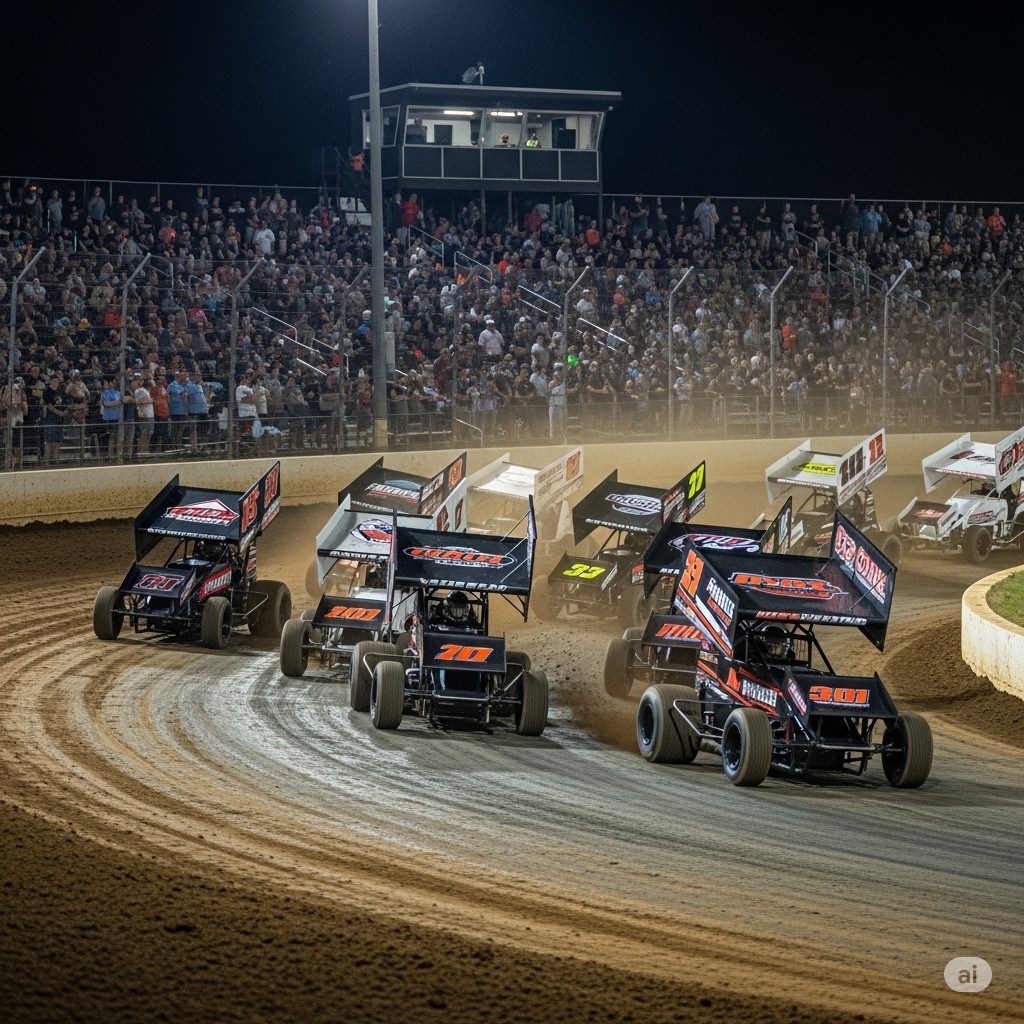
Sprint Car Racing captures the hearts of motorsport enthusiasts across the globe. Known for its raw speed, thrilling competition, and grassroots appeal, the sport continues to grow each year. The roar of engines, the rush of wind, and the art of sliding around dirt tracks create an unmatched adrenaline rush. Sprint Car Racing is not only a beloved pastime but also a significant part of racing culture in many regions. This blog post explores its origins, global reach, amateur engagement, professional circuits, societal relevance, and comprehensive rules.
The Origin and Evolution of Sprint Car Racing
Sprint Car Racing began in the early 20th century in the United States. Its roots trace back to county fairgrounds and small-town tracks. Racing enthusiasts modified Model T Fords to enhance speed and agility. By the 1930s, purpose-built sprint cars emerged, offering better handling and performance. These early races laid the groundwork for a structured sport.
During the 1950s, the sport gained traction in the Midwest. Local heroes drove handcrafted cars at regional dirt tracks. As interest grew, so did the organization behind the events. Sanctioning bodies formed to create standardized rules and safety measures. The United States Auto Club (USAC), formed in 1956, became one of the first governing bodies.
The 1970s and 1980s saw significant advancements. Chassis design improved, and wings were added for better downforce. These changes made cars faster and safer. By the 1990s, national series like the World of Outlaws brought professional visibility to the sport. Sprint Car Racing evolved from a county fair event into a national spectacle.
Sprint Car Racing’s Global Popularity
While the sport originated in the United States, it has found a dedicated following worldwide. In Australia and New Zealand, Sprint Car Racing enjoys immense popularity. Events like the Grand Annual Sprintcar Classic in Warrnambool attract thousands of fans each year.
Canada also supports a vibrant scene. Tracks in Ontario and Alberta host competitive races with strong local participation. Similarly, South Africa has a growing community that supports weekly dirt-track events.
In Europe, the sport remains niche but visible. The United Kingdom and the Netherlands have active Sprint Car Racing clubs. These clubs often import American cars and host modified races on smaller tracks.
Global reach has been fueled by streaming platforms and social media. Fans can now watch live races, follow teams, and engage with drivers from anywhere. This exposure continues to bolster international interest.
Youth and Amateur Sprint Car Racing
Youth involvement starts with smaller classes like Quarter Midgets and Mini Sprints. These vehicles are scaled-down versions of full sprint cars. Children as young as five begin learning racing fundamentals. Safety gear, including helmets and roll cages, is mandatory.
Amateur races often occur at local dirt tracks. Many regions have club-run events that encourage newcomers. Participants usually begin with less powerful 305 or 360 cubic inch engines. These classes provide affordable entry points into the sport.
High schools and colleges increasingly support motorsport clubs. Some offer mechanical engineering programs with Sprint Car projects. Students gain hands-on experience by building and maintaining cars.
Youth programs in Australia mirror those in the U.S. Junior Sedan classes offer a path to Sprint Car Racing for teens. These grassroots efforts create lifelong fans and participants.
Mentorship is another critical element. Seasoned drivers often guide younger racers. This support builds confidence and promotes sportsmanship.
Professional Sprint Car Leagues and Series
The World of Outlaws (WoO) remains the most prestigious series. Founded in 1978, WoO travels across the United States, showcasing elite talent. It features 410 cubic inch engine cars capable of exceeding 140 mph on dirt tracks.
The All Star Circuit of Champions also holds a respected place in the American racing landscape. Tony Stewart, a former NASCAR driver, owns the series. It offers a stepping stone to the World of Outlaws.
In Australia, the Sprintcar Control Council oversees national-level races. The Australian Sprintcar Championship is a major highlight. Top drivers compete for titles and pride.
New Zealand hosts the National Sprintcar Championship. Local tracks like Western Springs Stadium offer packed stands and strong competition.
Other series, such as the American Sprint Car Series (ASCS), cater to 360-class cars. These races serve as developmental grounds for emerging talent. Canada’s Southern Ontario Sprints is another example of a well-organized league.
Many teams operate on tight budgets. Sponsorships, merchandise sales, and local business support help keep them competitive. Despite financial constraints, passion drives participation.
Political and Social Impact of Sprint Car Racing
Sprint Car Racing fosters community identity. Small towns rally around their local tracks and drivers. Weekly events become social gatherings that unite people of all backgrounds.
Politically, the sport contributes to local economies. Tracks generate jobs and tourism revenue. Politicians often support infrastructure improvements for racing venues. These investments can revitalize rural areas.
The sport also highlights innovation. Racing teams constantly improve safety and performance. This culture of experimentation influences broader automotive engineering.
Socially, Sprint Car Racing promotes inclusivity. Women and minorities are increasingly visible in the pits and behind the wheel. Programs aim to diversify participation and expand access.
Environmental concerns remain a topic of debate. Fuel use and emissions draw criticism. However, some series explore biofuels and electric support vehicles.
Philanthropy plays a role as well. Many events partner with charities. Drivers often visit schools and hospitals, becoming role models in their communities.
Understanding the Rules of Sprint Car Racing
Sprint Car Racing involves specific classes based on engine size. The most common are 305, 360, and 410 cubic inch engines. Each class has unique performance characteristics.
Races typically occur on oval dirt tracks ranging from one-quarter to one-half mile. Heats, dashes, and main events form the structure. Drivers must qualify through time trials or heat race performance.
Starts and restarts follow strict procedures. Double-file starts are common, while restarts may vary based on flag rules. Jumping the start results in penalties.
Passing is allowed anywhere on the track. However, contact is discouraged. Dangerous driving can lead to disqualification.
Pit stops are rare due to short race lengths. Mechanical issues often end a driver’s night early. Quick fixes are permitted during red-flag periods.
Flag signals guide the race. Green indicates a start, yellow signals caution, and red halts the action. The checkered flag marks the end.
Car specifications are closely monitored. Weight, wing size, and engine limits ensure fairness. Teams must pass inspections before and after races.
Safety rules are stringent. Helmets, fire suits, harnesses, and roll cages are mandatory. Tracks have medical staff on standby for emergencies.
Points accumulate over the season. Consistent finishes can lead to championships. Tiebreakers rely on wins, podiums, and top-five finishes.
Conclusion
Sprint Car Racing offers an electrifying mix of speed, skill, and spectacle. From humble beginnings to international appeal, the sport has maintained its grassroots charm. Youth programs, amateur leagues, and professional series ensure ongoing growth. It brings communities together and contributes to local economies. Socially and politically, it holds relevance beyond the track.
By understanding its history, global reach, developmental paths, and regulations, one gains a deeper appreciation. Sprint Car Racing is more than just a sport; it’s a movement powered by passion, fueled by dedication, and driven by fans worldwide.