
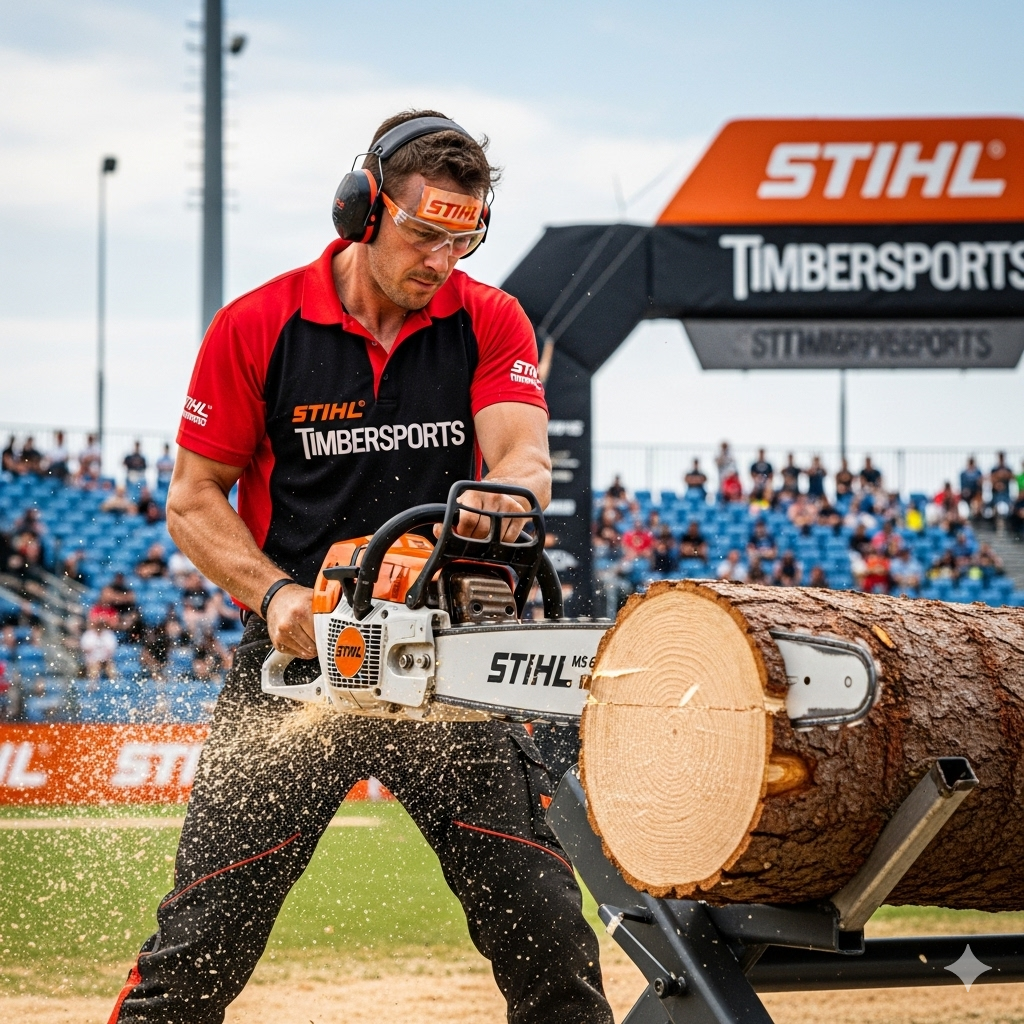
Stock Saw Sawing: The Origins, Rules, and Global Popularity of the Sport
Stock Saw Sawing is one of the most exciting and raw displays of human strength and precision in modern lumberjack sports. The sport combines power, skill, and speed while testing competitors on their ability to control a standard chainsaw under pressure. In recent decades, it has gained international recognition as both a professional competition and a grassroots event for amateur athletes. Stock Saw Sawing continues to evolve, inspiring new generations of competitors while maintaining deep ties to its cultural and historical roots.
The Origin and History of Stock Saw Sawing
The origins of Stock Saw Sawing are firmly rooted in the traditions of forestry and logging. In the late 19th and early 20th centuries, professional lumberjacks often competed informally to see who could fell trees or cut logs the fastest. These early contests helped pass downtime in logging camps while boosting morale among workers.
By the 1940s, lumberjack competitions began appearing at county fairs and festivals in North America. These events showcased skills such as axe throwing, log rolling, and sawing contests. The introduction of the gasoline-powered chainsaw revolutionized logging and brought a new category of competition. Instead of relying solely on crosscut saws, lumberjack athletes began competing with standardized chainsaws to demonstrate strength and accuracy.
The sport of Stock Saw Sawing emerged as organizers sought fairness and uniformity. Unlike modified saw classes that allowed athletes to customize their machines, stock saw contests required competitors to use unaltered, factory-issued chainsaws. This rule ensured that victories depended on skill and control rather than on specialized equipment.
By the 1970s, Stock Saw Sawing had become a cornerstone of competitive lumberjack sports. Its straightforward rules and dramatic bursts of speed captivated spectators. Competitors were required to start with an idling chainsaw, then slice through a log as quickly as possible with clean, precise cuts. The discipline became an iconic test of power, precision, and nerves.
The Global Popularity of Stock Saw Sawing
Today, Stock Saw Sawing has grown far beyond its North American origins. It is now an international sport with competitions held across Europe, Australia, Asia, and South America. The global spread reflects both the universal appeal of the sport and the adaptability of its format.
In North America, Stock Saw Sawing remains one of the most popular events at lumberjack competitions. The United States and Canada both host annual tournaments at fairs, festivals, and forestry gatherings. Crowds enjoy the intensity of the event, which often lasts less than 30 seconds but delivers immense excitement.
Europe has also embraced the sport, particularly in Germany, Austria, and Switzerland. These countries host some of the largest professional lumberjack competitions, often broadcast on television. In Australia and New Zealand, Stock Saw Sawing has become a staple of rural sports festivals, where lumberjack traditions are strong. The Southern Hemisphere nations are known for producing world-class competitors who dominate international stages.
Even Asia has seen a growing interest. Japan and China have hosted exhibitions and smaller competitions, supported by global lumberjack organizations seeking to expand the sport’s reach. South America, particularly Brazil, has also joined the competitive scene thanks to its rich logging and forestry culture.
The sport’s worldwide popularity continues to rise due to increased media coverage and live-streamed events. International organizations, particularly STIHL TIMBERSPORTS®, have played a critical role in bringing Stock Saw Sawing to global audiences.
Amateur Stock Saw Sawing
Amateur participation has been vital to the sport’s growth. Many local fairs and forestry festivals host Stock Saw Sawing contests open to non-professionals. These events often provide competitors with standardized chainsaws to ensure fairness and safety.
Youth involvement has become especially important. In North America, colleges and universities with forestry programs often include lumberjack sports teams. These teams train in disciplines such as log rolling, axe throwing, and Stock Saw Sawing. Student competitions offer young athletes opportunities to sharpen their skills and compete in front of local communities.
High school programs have also introduced lumberjack sports, particularly in regions with strong logging traditions. Events like Stock Saw Sawing teach students not only physical skills but also teamwork, respect for tools, and safety awareness. Coaches emphasize proper technique to ensure that young competitors learn the sport responsibly.
Outside of schools, amateur leagues and community clubs foster participation. These grassroots organizations provide equipment, training, and safe competition environments. Amateur athletes often transition into semi-professional or professional ranks after gaining experience at local levels.
Professional Leagues and Global Competitions
The professional side of Stock Saw Sawing has grown rapidly thanks to international organizations. The most prominent league is STIHL TIMBERSPORTS®, which organizes competitions worldwide. Founded in the 1980s, this league has elevated lumberjack sports to a global stage. Its Stock Saw Sawing event is considered one of the most thrilling segments of the competition.
Athletes in professional leagues follow strict rules regarding chainsaws and cutting techniques. Competitions often take place in arenas or large outdoor venues with thousands of spectators. Live broadcasts and online streaming have turned these events into spectacles with global audiences.
In Europe, regional leagues such as the German Lumberjack Association host national championships. Winners often qualify for larger international tournaments. Australia and New Zealand also maintain robust professional circuits. Their athletes frequently rank among the best in the world, dominating global competitions.
North America continues to be a powerhouse. Professional lumberjack athletes tour throughout the United States and Canada, competing in televised events that attract sponsors and major media coverage.
The international nature of these leagues has fostered a strong sense of community among competitors. While fierce rivalries exist, respect for tradition and shared dedication to the sport unite athletes across nations.
Political and Social Significance
Stock Saw Sawing holds more than athletic significance. The sport reflects cultural and political aspects tied to forestry, labor, and community identity.
In regions with strong logging histories, lumberjack sports symbolize the resilience of working-class communities. Competitions celebrate the physical strength and skills that sustained generations of families. Festivals often highlight these contests to preserve cultural traditions while uniting communities.
Politically, Stock Saw Sawing has occasionally been linked to debates over forestry and environmental policy. Supporters argue that lumberjack sports honor traditions without encouraging harmful practices. Organizers stress sustainable forestry and promote respect for natural resources. Many events actively incorporate messages about environmental conservation.
Socially, the sport fosters inclusivity. Both men and women compete in Stock Saw Sawing, and participation by youth continues to grow. Competitions bring diverse audiences together, from rural families to urban tourists seeking unique cultural experiences.
Additionally, the rise of televised and streamed events has allowed global audiences to engage with the sport. This exposure strengthens cultural exchange by showcasing traditions once confined to specific regions.
The Rules of Stock Saw Sawing
The rules of Stock Saw Sawing are straightforward yet strict. Fairness and safety are top priorities.
Competitors must use standardized, factory-issued chainsaws. These saws cannot be modified beyond minor adjustments for safety or comfort. Fuel and chain oil are supplied by organizers to ensure consistency.
Each competitor begins with an idling chainsaw placed on a starting block or stand. At the signal, the athlete must make two clean cuts through a horizontal log, one downward and one upward. The log’s diameter is typically between 16 and 20 inches, depending on competition standards.
The cuts must fall within designated markings on the log. Failure to cut within the boundaries results in disqualification or penalties. Sawing beyond the marked lines, known as “cutting out,” also invalidates the attempt.
Time is critical. The winner is determined by the fastest time to complete both cuts successfully. Precision is just as important as speed, since incomplete or sloppy cuts can disqualify an attempt.
Safety equipment is mandatory. Competitors must wear protective gear, including chainsaw-resistant pants, helmets, gloves, and ear protection. Safety officers monitor each event to ensure rules are followed.
Spectator safety is also prioritized. Barriers or distance requirements are in place to protect crowds from debris or accidents.
Conclusion
Stock Saw Sawing has grown from humble logging camp contests to a celebrated international sport. Its origins reflect the strength and determination of lumberjacks who first competed with simple saws. Over time, the discipline has evolved into a professional competition admired worldwide.
Amateur athletes and youth programs ensure the sport’s future, while professional leagues bring thrilling competitions to global audiences. Beyond athletics, Stock Saw Sawing carries deep cultural, political, and social significance. The sport honors tradition while adapting to modern values of safety, sustainability, and inclusivity.
With its thrilling pace, straightforward rules, and global reach, Stock Saw Sawing continues to carve a unique place in the world of competitive sports.