The Power and Prestige of Strongman Strength Athletics
Strongman Strength Athletics is one of the most intense and awe-inspiring sports in the world. It blends brute force, endurance, mental toughness, and the will to dominate challenges that push human limits. This sport has evolved from ancient displays of raw might to organized global competitions featuring elite athletes. Today, it stands as a true celebration of strength, discipline, and courage.
Throughout history, men and women have tested their power by lifting, carrying, and throwing heavy objects. Yet, Strongman Strength Athletics gives those feats structure, purpose, and international recognition. From small-town gyms to massive arenas, this sport inspires people everywhere to discover their inner power.
In this article, we will explore the sport’s fascinating origin, its global growth, amateur development, professional leagues, social and political meaning, and the rules that govern it. Let’s dive deep into the world of strength.
The Origins and Early History of Strongman Competitions
The roots of Strongman Strength Athletics trace back thousands of years. Ancient civilizations, including the Greeks, Vikings, Celts, and Scots, celebrated raw strength through feats such as stone lifting, log carrying, and tug-of-war. Strength was vital for survival, warfare, and honor.
In ancient Greece, early Olympians tested power through events like the discus throw, shot put, and wrestling. Meanwhile, Norse warriors lifted massive stones called “Husafell stones” to prove their manhood. The Scottish Highland Games featured caber tossing and hammer throwing—precursors to modern Strongman events.
During the 19th century, strength displays became public entertainment. Traveling circuses and vaudeville shows featured performers like Eugen Sandow, Louis Cyr, and Arthur Saxon. These early “strongmen” stunned audiences by lifting barbells, bending iron, and pulling wagons filled with people. They transformed feats of power into professional spectacles.
By the 20th century, formal competitions began to emerge. In 1977, the first “World’s Strongest Man” competition aired on American television, marking the birth of modern Strongman Strength Athletics. Hosted in California, it featured powerlifters, bodybuilders, and football players battling in diverse strength tests. The event captivated audiences and created a new kind of athletic hero—one defined by raw, functional power.
The Evolution into a Modern Global Sport
Over the decades, Strongman Strength Athletics evolved from a novelty to a respected global sport. Advances in training, nutrition, and event design helped athletes reach previously unimaginable levels of strength. Television exposure and international competition brought the sport into mainstream awareness.
Today, Strongman events take place in over 50 countries. Major competitions such as the World’s Strongest Man (WSM), Arnold Strongman Classic, and Europe’s Strongest Man attract massive crowds and millions of viewers online.
Athletes now train year-round, combining powerlifting, Olympic lifting, and specialized Strongman techniques. Modern equipment, like atlas stones, yokes, and farmer’s carry handles, allows for consistent and fair competition. As a result, Strongman Strength Athletics has achieved recognition as both a professional career and a fitness inspiration for everyday people.
Global Popularity and Regional Differences
The sport’s popularity extends across every continent. In Europe, Strongman is a cultural tradition. Countries such as Iceland, Scotland, Poland, and the United Kingdom dominate international competitions. Legendary figures like Jón Páll Sigmarsson, Mariusz Pudzianowski, and Hafþór Júlíus Björnsson became national icons.
In the United States, television exposure through ESPN and the History Channel sparked public interest. American athletes such as Bill Kazmaier and Brian Shaw elevated the sport’s reputation. Local gyms began hosting Strongman training sessions, helping grassroots participation soar.
In Eastern Europe and Russia, Strongman contests reflect a deep respect for physical endurance and toughness. Many athletes come from weightlifting or wrestling backgrounds, giving the region a steady pipeline of competitors.
Strongman Strength Athletics has also grown rapidly in Asia. China, Japan, and India now hold local championships, while Middle Eastern nations like Bahrain and the UAE host elite international events. The African continent, too, has embraced the sport. Nations like South Africa and Nigeria have produced powerful competitors and fans alike.
Australia and New Zealand round out the global reach, hosting strongman festivals that blend sports and entertainment. Clearly, Strongman is no longer limited by geography—it’s a worldwide celebration of human potential.
Amateur Strongman Strength Athletics: Building the Next Generation
The amateur side of Strongman Strength Athletics is thriving. Across the globe, local competitions, gym events, and community festivals introduce newcomers to the sport.
Amateur contests often use lighter weights and simpler equipment. The goal is to teach form, technique, and safety. Common events include tire flips, sandbag carries, log presses, and stone lifts. These accessible challenges allow participants of all ages and genders to compete.
In North America and Europe, youth divisions have begun appearing. Teenagers train under certified coaches who emphasize proper movement patterns and injury prevention. High schools and universities now offer strength clubs that introduce students to Strongman fundamentals.
Some programs collaborate with CrossFit gyms, as both share an emphasis on functional strength. This partnership helps attract a younger audience eager to test themselves beyond traditional sports.
Strongman’s amateur growth is also fueled by social media. Platforms like YouTube, TikTok, and Instagram highlight training routines, competition clips, and motivational content. These digital communities inspire people to participate and build strength cultures in their regions.
The Professional Leagues and Global Organizations
Professional Strongman Strength Athletics operates through several major leagues and federations, each offering unique events, rules, and prestige.
World’s Strongest Man (WSM)
The World’s Strongest Man is the crown jewel of professional Strongman competition. Founded in 1977, it features the top athletes from around the world competing in multiple grueling events. These challenges test every aspect of physical power—lifting, carrying, pulling, and endurance. Winners become legends, earning both global recognition and lucrative sponsorships.
Arnold Strongman Classic
Founded by Arnold Schwarzenegger, this event emphasizes pure strength rather than speed or endurance. The Arnold Strongman Classic uses heavier weights and fewer events, rewarding absolute power. It has become one of the most respected competitions globally and is a favorite among elite athletes.
Giants Live
Giants Live serves as the official qualifying tour for the World’s Strongest Man competition. It hosts events across Europe, North America, and the Middle East. Fans love it for its accessibility, fan interaction, and television coverage.
Strongman Champions League (SCL)
This organization runs an international circuit with events in over 20 countries. Each season crowns a global champion based on accumulated points. SCL helps grow the sport’s footprint by holding competitions in new regions.
Official Strongman Games (OSG)
The Official Strongman Games provide a path for amateurs to go professional. The OSG features multiple weight classes and divisions, including women’s and masters’ categories. It showcases diversity and inclusivity while promoting global participation.
Together, these organizations ensure that Strongman Strength Athletics remains vibrant and competitive worldwide.
The Rise of Women in Strongman
One of the most inspiring developments in recent years is the surge of women competing in Strongman Strength Athletics. Female athletes like Andrea Thompson, Donna Moore, and Rebecca Roberts have shattered stereotypes and records.
Women’s divisions now exist in most major competitions, complete with tailored events and weight classes. Their performances have captivated audiences and inspired a new generation of female lifters. Social media has amplified their reach, spreading the message that strength knows no gender.
Youth programs increasingly include girls, promoting equality and empowerment through fitness. This inclusivity is vital to the sport’s future growth and social impact.
Social and Political Significance of the Sport
Strongman Strength Athletics carries deep social meaning. It symbolizes resilience, determination, and the human drive to overcome limits. Athletes from diverse backgrounds come together to compete based on effort and capability, not privilege or politics.
The sport has become a platform for cultural pride. In nations like Iceland and Poland, Strongman champions are celebrated as national heroes. Their victories unify communities and promote national identity.
Politically, Strongman reflects the power of grassroots organization. Many competitions are community-driven, raising funds for charities, hospitals, or youth programs. By promoting discipline and physical health, Strongman encourages positive values that transcend politics.
In some developing regions, the sport provides young people with purpose and opportunity. It builds self-confidence, teamwork, and leadership. These qualities extend beyond the gym and into society.
Strongman also challenges beauty standards and body stereotypes. It celebrates strength in all forms—muscular, functional, and real. As a result, it has influenced global fitness trends, promoting body positivity and physical empowerment.
The Rules and Structure of Strongman Strength Athletics
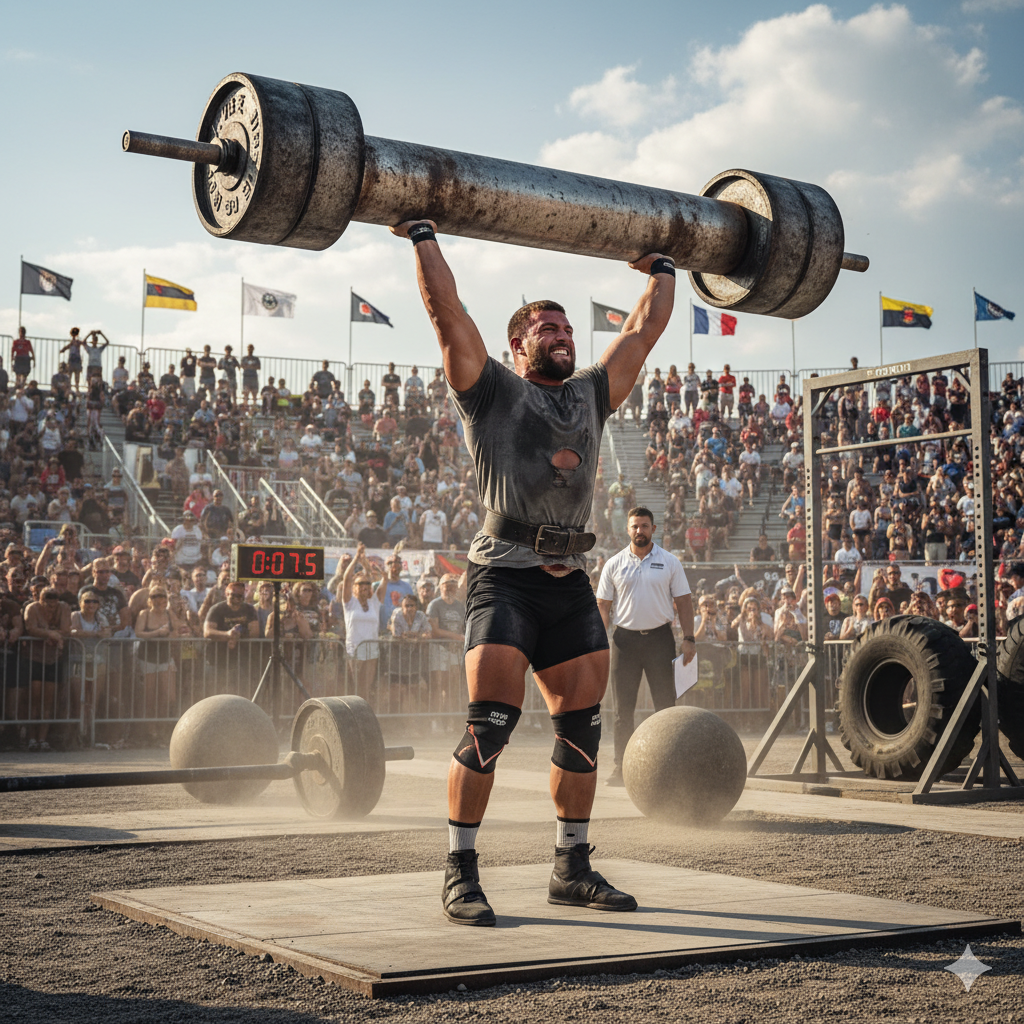
Strongman Strength Athletics competitions feature a variety of events designed to test total-body power. While each league has its own variations, several core rules and formats are consistent across the sport.
1. Event Categories
Events are divided into several types:
- Static lifts: Maximum weight lifts such as the deadlift or log press.
- Carrying events: Athletes carry heavy objects like yokes, farmer’s handles, or sandbags over set distances.
- Loading events: Competitors lift and load objects (often atlas stones or barrels) onto platforms.
- Pulling events: Vehicles, planes, or sleds are pulled using harnesses or ropes.
- Throwing events: Weighted objects are thrown for height or distance.
2. Scoring System
Points are awarded based on placement in each event. The competitor with the highest total points at the end of all events wins. Ties are broken using cumulative time or head-to-head results.
3. Equipment Standards
Each event uses standardized weights and dimensions to ensure fairness. Athletes may use approved equipment such as lifting belts, knee sleeves, wrist wraps, and grip chalk. However, performance-enhancing substances are banned under anti-doping regulations.
4. Time Limits and Safety
Most events have time limits ranging from 60 to 90 seconds. Athletes must complete lifts or carries within that time. Judges monitor technique to prevent injuries. Any unsafe form or dropped implement may result in disqualification.
5. Weight Classes and Divisions
Amateur and professional organizations often use multiple divisions based on bodyweight and gender. This allows fair competition across different sizes and skill levels.
6. Refereeing and Fair Play
Certified referees oversee all events. They ensure consistency and fairness in scoring. Sportsmanship is highly valued, and athletes frequently cheer for their rivals—a hallmark of Strongman culture.
The Mental Side of Strength
Beyond physical power, Strongman Strength Athletics demands mental toughness. Competitors must push through exhaustion, pain, and self-doubt. Success often depends on mindset as much as muscle.
Visualization techniques, breathing control, and positive self-talk play key roles. Athletes train their minds to handle pressure, stay calm, and recover quickly. This psychological strength translates into other areas of life, fostering resilience and confidence.
Strongman as a Lifestyle
Strongman athletes follow strict lifestyles centered around nutrition, recovery, and routine. They consume large amounts of calories to fuel their massive output, focusing on high-protein diets with balanced carbohydrates and fats. Sleep and mobility work are essential for recovery.
Community support is another major part of the lifestyle. Athletes often train together, share tips, and motivate one another. Gyms that host Strongman training sessions tend to become tight-knit families.
This lifestyle appeals to people seeking structure and purpose. It shows that greatness comes from dedication, not luck.
Strongman in Pop Culture and Media
Strongman Strength Athletics has influenced movies, television, and social media. The rise of stars like Hafþór Júlíus Björnsson—who played “The Mountain” in Game of Thrones—introduced millions to the sport. Documentaries such as Born Strong and Eddie: Strongman offer fans an inside look at the discipline and sacrifice required.
Streaming services and YouTube channels broadcast competitions worldwide. Fans can now follow athletes year-round, creating passionate online communities. Merchandise sales, sponsorships, and branded content help fund the sport’s growth.
Fitness influencers also promote Strongman-style training to the general public. Exercises like sled drags, farmer’s carries, and log presses are now staples in modern gyms. This crossover has increased mainstream respect for the sport.
The Future of Strongman Strength Athletics
The future of Strongman Strength Athletics looks bright. Global participation continues to rise, and more nations are establishing federations. Youth and women’s divisions ensure inclusivity and long-term growth.
Technology will also shape the sport’s future. Wearable data trackers, recovery analytics, and advanced nutrition science will improve athlete performance. Live streaming and virtual competitions will expand fan access worldwide.
Sustainability initiatives are becoming more common as organizers seek eco-friendly event solutions. This focus reflects the sport’s awareness of global responsibility.
Strongman will likely continue evolving, but its core values—discipline, respect, and raw strength—will remain unchanged.
Conclusion: The Enduring Spirit of Strength
Strongman Strength Athletics is more than a sport—it’s a movement. It connects people through shared admiration for human power and perseverance. From ancient stone lifters to modern giants, the tradition of testing strength unites generations and cultures.
Every competitor, from amateur to professional, carries the legacy of those who came before. They remind the world that limits exist only to be broken.
As Strongman continues to grow globally, it will inspire countless individuals to push harder, train smarter, and live stronger. In a world full of distractions, it stands as a symbol of focus, unity, and unshakable determination.
The story of Strongman is far from over. In fact, it’s only getting stronger.