
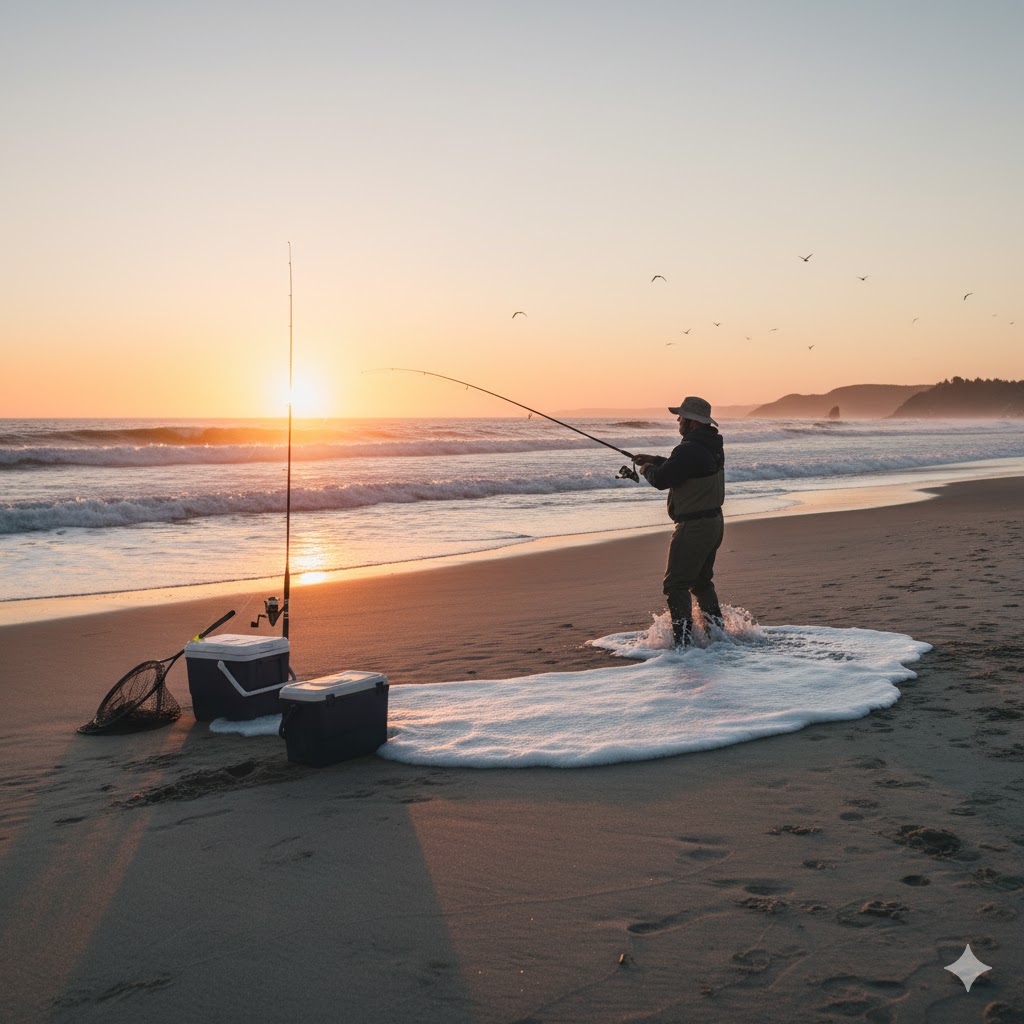
The Sport of Surf Fishing: A Deep Dive into History, Play, and Global Impact
Surf Fishing is a thrilling blend of patience, power, and precision. Unlike traditional angling, this sport takes place where the ocean meets the land — the surf zone. Enthusiasts from around the world wade into foamy waves or cast from sandy beaches, seeking fish that thrive in coastal waters. The beauty of Surf Fishing lies in its simplicity and accessibility. You don’t need a boat or fancy equipment to begin, just determination and skill. This sport has evolved into a competitive and cultural phenomenon, enjoyed by millions worldwide.
The Origin and History of Surf Fishing
Fishing from the surf has ancient roots. Early coastal communities practiced it for survival long before it became a sport. Archaeological evidence shows that indigenous peoples in regions like Polynesia, Japan, and North America fished from shorelines using hand-crafted nets, spears, and primitive lines. These early forms of shore fishing laid the foundation for modern Surf Fishing.
During the 19th century, recreational angling began to gain popularity in Europe and North America. As leisure time increased, people started fishing not just for food but for enjoyment. Coastal residents, especially in the United States and the United Kingdom, discovered that casting directly from the beach could yield exciting results. The accessibility of shorelines made it appealing to working-class people who couldn’t afford boats.
By the early 20th century, specialized rods and reels designed for casting long distances emerged. Manufacturers in the U.S. and Japan began creating stronger rods made from bamboo, and later fiberglass. This innovation allowed anglers to reach fish beyond the breaking waves. Publications like Field & Stream and The Angler’s Journal spread techniques and stories about surf anglers battling powerful striped bass, bluefish, and drum.
In the 1950s and 1960s, it exploded in popularity. Coastal competitions sprouted along the Atlantic and Pacific coasts. Organizations began to standardize rules, and tournaments drew huge crowds. As surf culture grew — fueled by movies, music, and the beach lifestyle — Surf Fishing became part of that identity. It wasn’t just about catching fish anymore. It was about being part of the coast.
Today, Surf Fishing combines ancient traditions with modern technology. Anglers use high-performance rods, advanced reels, and electronic fish finders. Yet the essence remains unchanged — standing on the edge of the sea, feeling the pull of nature.
Global Popularity of Surf Fishing
Surf Fishing has achieved worldwide popularity. From the beaches of Australia to the shores of South Africa, the sport has captivated anglers of all ages. Each region has its own unique species, techniques, and cultural traditions.
North America
In the United States, it is deeply ingrained in coastal culture. The Atlantic coast, particularly states like North Carolina, Florida, and New Jersey, hosts numerous tournaments. The Outer Banks are legendary for their surfcasting opportunities. Anglers target species such as red drum, striped bass, bluefish, and pompano. On the Pacific coast, California’s beaches offer exciting catches like surfperch and halibut.
Canada’s Maritime provinces also enjoy strong participation. The rugged coastline of Nova Scotia and Prince Edward Island provides ideal conditions for casting into the surf.
South America
Surf Fishing thrives in countries like Brazil, Argentina, and Chile. Brazilian anglers flock to beaches like Santa Catarina and Rio Grande do Sul. They target species such as croaker and bluefish using long, flexible rods. Argentina’s Atlantic coast, particularly Mar del Plata, hosts some of the most competitive surfcasting tournaments in South America.
Europe
Europe offers an incredible variety of surf angling environments. In the United Kingdom and Ireland, Surf Fishing has a long and proud tradition. Anglers often brave cold winds and rocky shores to catch bass and cod. France, Spain, and Portugal also have large surfcasting communities. Portuguese beaches like Nazaré and Algarve are hotspots for both surf fishing and surfing enthusiasts.
Africa
South Africa is one of the most passionate Surf Fishing nations in the world. The combination of warm currents and diverse marine life creates ideal conditions. Competitive leagues are popular, and the country has produced many world champions. Namibia and Mozambique also boast excellent coastal fishing grounds.
Asia and Oceania
In Japan, Surf Fishing connects modern anglers to ancient traditions. Japanese fishermen use lightweight tackle and precise casting techniques. Australia and New Zealand, with their vast coastlines, are paradise for surf anglers. From Queensland to Western Australia, competitions attract large crowds. The variety of species, from bream to tailor, makes the sport endlessly engaging.
The Global Appeal
What makes Surf Fishing universally loved is its simplicity. Anyone can walk onto a beach, cast a line, and feel connected to the ocean. Unlike other water sports, there’s no need for expensive boats or special permits in most regions. It’s a sport for everyone — young and old, professional or amateur.
Amateur Surf Fishing Around the World
Amateur Surf Fishing serves as the heartbeat of the sport. While professionals compete for titles, it’s the everyday anglers who keep the tradition alive. Families, friends, and youth groups gather on beaches to enjoy the thrill of the surf.
Community Events and Clubs
In many coastal communities, local Surf Fishing clubs organize friendly tournaments. These events promote environmental awareness and ocean stewardship. Participants learn about tides, conservation, and sustainable fishing practices. Clubs often host workshops for beginners, teaching knot tying, bait selection, and casting techniques.
Youth and School Programs
Youth participation has grown steadily. In the U.S., schools in coastal states incorporate Surf Fishing into outdoor education programs. Students learn not only how to fish but also how to respect marine ecosystems. Environmental groups partner with schools to teach about habitat protection and responsible angling.
Australia runs similar programs through organizations like the Australian Fishing Foundation. They host youth Surf Fishing camps, blending recreation with education. Kids learn teamwork, patience, and an appreciation for the outdoors.
Weekend Anglers
For many amateurs, Surf Fishing is a weekend escape. The rhythmic sound of waves and the anticipation of a strike provide a perfect stress release. Some anglers wade into knee-deep surf with simple gear, while others invest in long graphite rods capable of casting over 100 yards. The variety of techniques ensures that every outing feels fresh.
Online Communities
Digital technology has transformed amateur Surf Fishing. Online forums and social media groups connect anglers worldwide. They share tips, post photos, and exchange information about tides, weather, and best baits. YouTube tutorials have made learning more accessible than ever. This sense of global community strengthens the sport’s foundation.
Professional Surf Fishing Leagues and Competitions
While many enjoy Surf Fishing casually, professional competition takes it to another level. Tournaments worldwide showcase elite casting accuracy, strategy, and endurance.
United States
The U.S. hosts numerous prestigious Surf Fishing tournaments. The Cape Hatteras Anglers Club Invitational in North Carolina is one of the oldest and most respected. Teams compete over multiple days, targeting various species under strict rules. The Nags Head Surf Fishing Club Tournament also draws hundreds of participants annually.
The American Surfcasting Association oversees competitive events, setting standardized rules and promoting fair play. Winners earn sponsorships, trophies, and national recognition.
South Africa
South Africa stands out as a global Surf Fishing powerhouse. The South African Shore Angling Association (SASAA) governs national competitions and selects teams for world championships. South African anglers dominate international contests thanks to their skill and discipline. Events like the Pedi Coastal Classic and Richards Bay Challenge attract professionals from around the world.
Europe
European countries host a vibrant circuit of Surf Fishing events. The European Surfcasting Championships bring together competitors from across the continent. Spain, Portugal, and Italy have strong national leagues supported by their respective angling federations. These tournaments focus on precision, technique, and environmental sustainability.
Australia and New Zealand
Australia’s Surf Fishing scene is highly organized. Competitions like the Australian National Surfcasting Championships test both accuracy and distance. The Surfcasting and Angling Association of New Zealand also runs an impressive tournament calendar. These southern hemisphere events emphasize camaraderie and conservation.
The World Stage
On the global level, the World Surfcasting Championships, governed by the International Casting Sport Federation (ICSF), represent the pinnacle of professional competition. Teams from dozens of countries participate. Scoring focuses on casting distance, accuracy, and total catch weight. The event promotes cultural exchange and environmental responsibility.
The Political and Social Significance of Surf Fishing
Surf Fishing isn’t just about catching fish. It also carries social and political importance. The sport connects people to nature, strengthens communities, and influences coastal policy.
Environmental Awareness
Surf anglers are often at the forefront of marine conservation. Because they spend so much time along coastlines, they witness firsthand the effects of pollution, overfishing, and habitat loss. Many organizations advocate for sustainable practices and coastal protection. Groups like Keep America Fishing and Surfrider Foundation collaborate with anglers to preserve beaches and marine ecosystems.
In countries like Australia and South Africa, Surf Fishing communities have pushed for better regulation of coastal development. Their activism ensures that future generations can enjoy healthy ocean environments.
Economic Impact
Surf Fishing supports coastal economies worldwide. Anglers spend on gear, bait, accommodations, and travel. Local bait shops, tackle stores, and beachfront lodgings benefit greatly from this steady flow of visitors. In small seaside towns, Surf Fishing tournaments can boost tourism during off-peak seasons.
Cultural Connection
Culturally, Surf Fishing bridges generations. Grandparents pass down techniques and stories to grandchildren. Many coastal families view it as part of their heritage. In places like Hawaii and Japan, Surf Fishing connects modern life with ancient customs. The shared experience of fishing at sunrise or sunset creates lasting memories and community bonds.
Political Influence
Surf Fishing organizations often engage in political advocacy. They lobby governments for fair access to beaches and balanced fishing regulations. For example, in the United States, groups have successfully opposed unnecessary restrictions that limit beach access for anglers. In Europe, Surf Fishing associations participate in policy discussions about marine reserves and fishing quotas.
By uniting recreation with activism, the sport demonstrates how leisure activities can promote environmental responsibility and civic engagement.
The Rules of Surf Fishing
While Surf Fishing may look straightforward, it operates under well-defined rules, especially in competitions. Understanding these guidelines ensures fairness, safety, and conservation.
Equipment Regulations
Competitors must use rods and reels that meet tournament specifications. Most leagues restrict rod length to a maximum of 14 feet. Artificial and natural baits are permitted, but live bait use may vary by region. Hooks must conform to size limits designed to protect juvenile fish.
Each angler typically uses one rod at a time. Multiple rods can clutter the surf and create safety hazards. Reels must be manually operated; electric reels are not allowed in competitions.
Casting Techniques
Competitors aim to cast as far and accurately as possible. Long-distance casting gives access to larger fish feeding beyond the breaking waves. In some events, distance casting itself is a separate competition. Anglers are scored based on how close their cast lands to a designated target zone.
Catch and Release Policies
Modern Surf Fishing emphasizes conservation. Most tournaments use catch-and-release systems. Fish are measured, recorded, and released immediately. Only specific species and sizes count toward total points. Disqualified catches include undersized or protected species.
This system promotes sustainability while keeping the sport exciting. Anglers are encouraged to handle fish carefully and minimize stress before release.
Scoring and Judging
In professional competitions, judges patrol the beach to verify catches. Points are awarded for species type, size, and total weight. For example, a large striped bass might earn more points than multiple small fish. Tiebreakers often depend on casting accuracy or number of valid catches.
Safety Guidelines
Safety remains a top priority. Participants must wear appropriate footwear and use wading belts when entering surf zones. Weather conditions can change rapidly, so tournaments enforce strict safety protocols. Lifeguards or rescue teams are often on standby.
Ethical Conduct
Respect for fellow anglers and the environment defines the sport. Competitors must maintain proper spacing to avoid crossing lines. Littering or damaging dunes can result in disqualification. Fair play and sportsmanship are valued as much as skill.
The Enduring Appeal of Surf Fishing
Surf Fishing continues to grow because it connects people to something timeless. Standing at the edge of the sea offers a sense of peace and challenge. Every wave carries possibility, and every cast holds hope.
Technology has changed how anglers approach the sport, but the spirit remains pure. Whether you’re fishing alone at dawn or competing under stadium lights, the essence of Surf Fishing is unchanged. It’s about respect — for nature, for others, and for the pursuit itself.
Conclusion
Surf Fishing is far more than just casting a line into the ocean. It’s a global sport rooted in history, culture, and community. From humble origins in ancient coastal societies, it has grown into a professional and recreational pursuit enjoyed by millions. Its global reach spans every continent with a shoreline, and its inclusive nature welcomes all who love the sea.
Amateurs keep the spirit alive through family outings, local clubs, and school programs. Professionals elevate it through skill and competition. Politically and socially, Surf Fishing reminds us that harmony with nature is both possible and essential.
With its clear rules, deep traditions, and powerful sense of community, Surf Fishing remains a shining example of how a simple act — casting into the surf — can unite the world.