
Surf Kayaking: The Ocean Sport That Combines Power, Balance, and Adventure
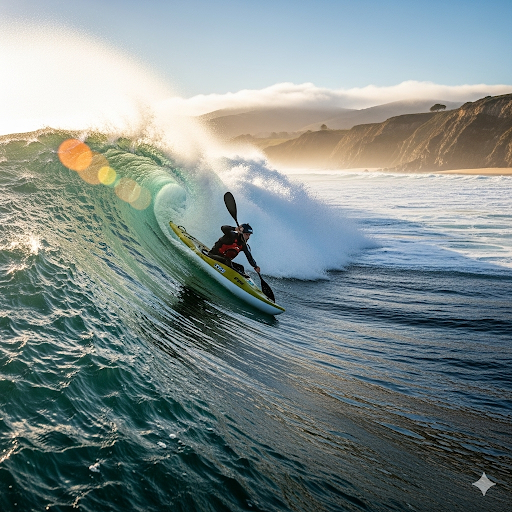
Surf Kayaking is one of the most thrilling sports on the water. It brings together surfing and kayaking in an explosive way. This hybrid activity has grown from coastal traditions into a worldwide sport with fans across continents. Athletes battle waves with skill, strength, and quick reflexes. The sport draws attention from both amateurs and professionals. Surf Kayaking inspires passion, challenges endurance, and builds community.
The Origins of Surf Kayaking
The roots of the sport stretch back centuries. Indigenous cultures first built kayaks for survival. They crafted narrow boats from wood and animal skins. These early kayaks were designed for hunting and travel across cold seas. While survival was the main goal, play also entered the picture. People began experimenting with kayaks in waves. Coastal communities often turned practical tools into recreation.
In the mid-20th century, kayaking saw a rebirth in the Western world. Adventure seekers in North America and Europe began testing kayaks in surf zones. Traditional river kayaks were adapted to ocean swells. Paddlers cut shorter, stronger designs for maneuverability. This innovation sparked the foundation of modern Surf Kayaking.
By the 1970s, communities of ocean kayakers grew in places like the UK, Spain, and the United States. Surfers often crossed paths with paddlers on the same beaches. Competition naturally followed. The first informal contests began with friends battling to see who could carve the best wave. Over time, these contests became organized events with judges, scoring systems, and structured rules.
The Rise of Global Popularity
Surf Kayaking’s popularity expanded as travel opened new surf destinations. Kayakers looked for waves in Ireland, Australia, South Africa, and South America. Each location offered unique conditions. Cold Atlantic waters demanded endurance. Warm Pacific surf tested speed and agility.
In Europe, the sport gained official recognition through clubs and federations. Spain and Portugal became leaders in the scene. Their coasts provided consistent surf that attracted international paddlers. In the United States, California and the East Coast developed local communities. Events in Oregon and North Carolina also drew competitors.
Asia has also joined the movement. Japan and Thailand now host small but passionate groups. South America continues to grow as Brazil and Chile see rising interest. The diversity of coastlines worldwide ensures new athletes can always find challenging breaks.
Social media also boosted growth. Videos of kayakers cutting through massive waves spread quickly online. Young athletes discovered the sport and wanted to join. The combination of adrenaline and artistry appealed to thrill seekers. As the internet connected global fans, Surf Kayaking became more than a niche pursuit. It became a sport with international recognition.
Amateur Surf Kayaking
Amateur play serves as the backbone of the sport. Most paddlers begin by renting or buying beginner kayaks. Local clubs often provide instruction. Entry-level training focuses on balance, paddle control, and wave timing.
Youth participation continues to grow. Schools in coastal areas have begun adding kayaking programs. These programs introduce students to water safety first. Next, they learn basic strokes and how to handle small surf. As skills improve, youth teams enter regional competitions. These contests provide exposure to structured play without the high stakes of professional leagues.
Amateur events also bring families together. Weekends on the beach combine community bonding with active lifestyles. Local businesses benefit as spectators arrive. Gear shops, rental outfits, and surf schools all see increased interest. As a result, amateur Surf Kayaking builds not only skill but also coastal economies.
Women’s participation has grown steadily. Many female athletes now compete alongside men in open divisions. Separate women’s categories also highlight rising talent. The inclusive nature of the sport appeals to diverse age groups and backgrounds. Accessibility remains important because anyone with determination can learn.
Professional Leagues and Organizations
Professional Surf Kayaking has developed structured leagues across the globe. The International Surf Kayak Championships (ISKCs) stand as the highest level of competition. They bring together elite paddlers from Europe, the Americas, and beyond. Events rotate locations, allowing different countries to host.
In Europe, the British Surf Kayak Team leads with a long tradition of success. Spain also fields strong competitors, thanks to consistent Atlantic waves. Portugal continues to grow as a hub for contests, with world-class beaches like Peniche.
In North America, both coasts produce professional athletes. The East Coast Kayak Surf Championship remains a key annual event. West Coast locations like Santa Cruz offer iconic waves for competition.
South America has also joined the professional stage. Brazil now fields competitive teams with strong showings. Chile’s rugged coast produces skilled paddlers able to ride powerful Pacific swells.
These leagues not only host competitions but also shape the rules. They regulate equipment standards, judging criteria, and safety practices. Sponsorships from paddle manufacturers and outdoor brands support athletes. Prize money remains modest compared to mainstream sports, but prestige drives competitors forward.
Political and Social Significance
Surf Kayaking carries social meaning beyond competition. It builds communities along coastlines where economic opportunities often depend on tourism. Events draw visitors, which benefits local businesses. Regions with limited industry gain exposure and revenue.
The sport also promotes environmental awareness. Kayakers rely on healthy oceans and clean beaches. Many athletes become advocates for marine conservation. Events often partner with environmental organizations. Competitions frequently include beach cleanups and sustainability workshops.
Politically, the sport has raised questions about access to coastal spaces. In some regions, surfers and kayakers share contested zones. Local governments must balance interests of different groups. Through dialogue, agreements are often reached that allow peaceful coexistence.
Inclusivity also matters. Surf Kayaking demonstrates that extreme sports are not limited to the young or elite. Adaptive kayaking programs help athletes with disabilities participate. These programs show how sports can break barriers and build solidarity.
Rules of Surf Kayaking
The rules of Surf Kayaking combine elements of surfing and competitive kayaking. Each rider is judged on wave selection, control, and style. Points are awarded for maneuvers such as cutbacks, aerial spins, and tube rides. Judges score athletes on innovation and flow.
Competitions usually take place in heats. Each heat lasts 15 to 20 minutes. Riders compete against three to five others. The best two waves typically count toward the score. This system encourages consistency and strategy.
Wave priority is a crucial rule. The paddler closest to the peak has the right of way. This reduces collisions and ensures fairness. Interference results in penalties. Safety is always emphasized. Competitors must wear helmets and buoyancy aids. Kayaks must meet size and design standards for control and performance.
Judging panels use clear criteria. Power, speed, and smooth transitions score highly. Mistakes such as losing balance or failing to complete a maneuver lower the score. The highest scoring athletes move on to finals. Winners earn titles, trophies, and rankings.
Outside of competition, recreational play has fewer restrictions. However, etiquette still matters. Respect for surfers and swimmers ensures harmony on crowded beaches. Paddlers should always maintain control of equipment to avoid accidents.
Conclusion
Surf Kayaking has grown from ancient traditions into a modern global sport. Its history connects survival tools with adventurous play. Popularity now stretches across continents with both amateur and professional communities. Youth programs and inclusive opportunities ensure growth for future generations.
The sport’s social and political impact strengthens coastal economies, promotes environmental awareness, and unites diverse groups. Its rules provide structure while still allowing creativity. Athletes continue to push boundaries with skill and innovation.
Surf Kayaking stands as a symbol of passion, resilience, and global connection. With waves as the arena, the future of this sport promises excitement and growth for decades ahead.