
The Fast-Paced World of Team Penning: A Complete Guide
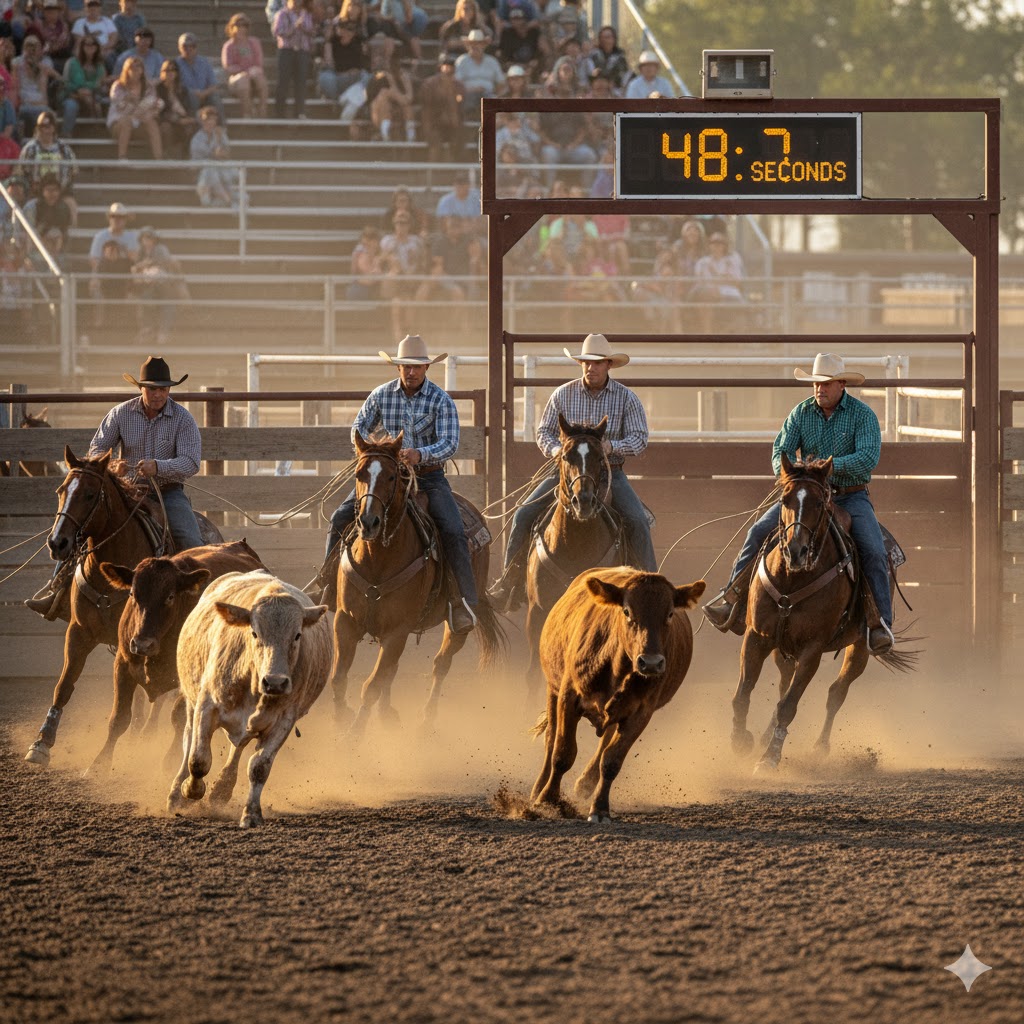
Team Penning is one of the most thrilling and strategic equestrian sports in the world. It blends teamwork, horsemanship, and lightning-fast decision-making into a single high-energy competition. Riders must work together to separate specific cattle from a herd and drive them into a pen within a short time limit. This exciting sport has deep ranching roots, a devoted global following, and a fascinating evolution that continues today.
The Origins of Team Penning
The roots trace back to the working cattle ranches of the American West. Ranchers regularly needed to separate individual cattle for branding, medical treatment, or transport. To make this process faster and more efficient, cowboys developed friendly competitions to test their skills. Over time, those informal ranching tasks transformed into an organized equestrian sport.
Team Penning began to take shape during the mid-20th century in the United States. Ranch hands in California and Texas often challenged one another to separate and pen cattle based on markings or numbers. The combination of speed, precision, and teamwork created an instant spectacle. Word spread quickly among rodeo circles, and the sport’s popularity soared.
By the 1980s, formal Team Penning events began appearing at state fairs, local rodeos, and horse shows across North America. Associations formed to standardize the rules and promote fair competition. The United States Team Penning Association (USTPA) eventually became the leading governing body, establishing competition divisions, ranking systems, and national championships.
How Team Penning Evolved into a Global Sport
As interest grew in North America, international riders took notice. The sport’s appeal reached beyond ranching regions because it required athleticism, communication, and strategic planning. Team Penning soon spread to Canada, Australia, and several European countries. Each region adapted the rules slightly to fit its local cattle breeds and riding traditions, but the core challenge remained the same: teamwork and control.
In Australia, the sport found a natural home. The country’s strong cattle culture and love for horse events made Team Penning an instant success. The Australian Team Penning Association (ATPA) was founded to oversee the sport nationally. It established competitions in every state, attracting riders from both rural and urban communities.
Europe also embraced the sport with enthusiasm. The United Kingdom, Italy, and France developed their own Team Penning circuits, often hosting international championships. Italy’s western riding community, in particular, has made Team Penning one of its most popular equestrian disciplines. These global organizations have helped unify rules and promote cross-border events, ensuring fair competition and high standards.
The Global Popularity of Team Penning
Today, Team Penning is played in over 15 countries across North America, Europe, and Australia. The sport’s appeal comes from its blend of cowboy tradition and modern competition. Riders of all ages and skill levels can participate, making it an inclusive and family-friendly sport.
In the United States, thousands of participants compete annually in regional and national championships. The sport’s visibility has grown thanks to coverage by equestrian media and social platforms. Riders share training tips, horse care advice, and event highlights online, creating a strong global community.
Canada has also seen rapid growth in the sport. Ranching provinces like Alberta and Saskatchewan host large competitions that draw riders from across the country. Canadian events often feature both Team Penning and Ranch Sorting, another related cattle event, making for full weekends of exciting competition.
Australia hosts hundreds of Team Penning events every year, often drawing large crowds. Many country fairs and agricultural shows include penning competitions, showcasing local talent. Families participate together, with parents and children often forming teams. This sense of inclusion has helped sustain the sport’s strong presence across rural Australia.
In Europe, Team Penning has developed a loyal following. Italy leads the way with its professional circuits, while the United Kingdom and France host international championships. The European Team Penning Association continues to grow, connecting clubs from multiple countries and promoting cultural exchange through sport.
Amateur Team Penning: The Grassroots of the Sport
Amateur Team Penning provides the foundation for the sport’s growth worldwide. Most riders begin at the local club or regional level, learning the fundamentals of teamwork and cattle handling. Amateur divisions are designed to encourage participation from newcomers while maintaining fair competition.
Clubs organize weekend events where riders compete for fun, prizes, and experience. Horses of all breeds can participate, though stock-type horses such as Quarter Horses dominate because of their agility and temperament. Training sessions focus on developing control, communication, and strategy between horse and rider.
Youth programs play a vital role in keeping the sport alive. Schools and equestrian centers often offer introductory penning lessons for children and teens. These programs teach horsemanship, teamwork, and respect for animals. Youth riders learn how to read cattle movement, anticipate herd behavior, and make split-second decisions—all essential skills for future professionals.
Many amateur Team Penning associations have created youth divisions to encourage young talent. Riders under 18 can compete in age-based categories, gaining valuable experience in a supportive environment. Families often compete together, creating a multi-generational culture that celebrates western heritage and community spirit.
Team Penning in Schools and Youth Organizations
Team Penning has become a valuable educational and character-building activity in many regions. Agricultural schools and 4-H clubs in North America often include Team Penning in their equine programs. Students learn practical ranching skills alongside teamwork and sportsmanship.
In the United States, high school rodeo associations sometimes include Team Penning as a competition event. This exposure introduces more young riders to the sport, helping them develop confidence, discipline, and leadership. Students learn that communication and trust are essential for success—not just in sport, but in life.
Australia’s youth programs are particularly strong. Junior Team Penning divisions are common at country shows and rural festivals. Many clubs offer mentorship from experienced riders, ensuring that new participants learn safety and skill development from the start. This investment in youth has created a steady pipeline of talented riders who move into adult and professional divisions.
Professional Team Penning Leagues and Associations
Professional Team Penning brings together the most skilled riders and horses from around the world. These elite competitions showcase speed, precision, and exceptional teamwork. Several organizations manage professional-level events globally, each contributing to the sport’s prestige and growth.
The United States Team Penning Association (USTPA) remains the leading body in North America. It governs national rankings, sets official rules, and hosts major championship events. Riders accumulate points throughout the season, leading to qualification for the prestigious National Finals. These competitions feature large cash prizes, sponsorships, and media coverage.
The Canadian Team Cattle Penning Association (CTCPA) operates a similar system. It organizes sanctioned events across the country and maintains a national standings list. Professional riders often travel thousands of miles to compete at premier Canadian events, which attract both amateurs and pros alike.
In Australia, the Australian Team Penning Association (ATPA) oversees the sport at every level. Its championship events are held annually and draw massive crowds. Top riders from each state compete for national titles, while regional clubs feed into the main circuit through qualifying events.
Europe’s European Team Penning Association (ETPA) coordinates major tournaments across multiple countries. Italy, France, and the United Kingdom regularly host international championships that bring together riders from across the continent. These events highlight the sport’s growing global identity and attract sponsors from equestrian and agricultural industries.
Professional Team Penning has also gained corporate interest. Major agricultural brands and equine product companies sponsor riders, events, and associations. The involvement of these sponsors helps fund prize pools, improve facilities, and promote the sport to new audiences.
The Social Significance of Team Penning
Beyond competition, Team Penning plays a meaningful role in rural communities. It strengthens social bonds, preserves western traditions, and provides opportunities for family engagement. The sport’s inclusive nature encourages participation across generations, from children to seniors.
Many small towns rely on Team Penning events to bring people together. Local competitions often serve as community gatherings where neighbors reconnect, celebrate heritage, and support local charities. The camaraderie within the sport is unmatched. Riders cheer for one another, share training tips, and lend a hand to newcomers.
Team Penning also helps preserve the cowboy lifestyle in a modern world. As technology changes agriculture, the sport keeps the spirit of horsemanship and cattle handling alive. It honors the skills and values of ranching life—teamwork, grit, and respect for the land.
In countries like Australia and Canada, Team Penning has become a symbol of rural pride. The sport’s visibility at agricultural fairs and festivals reminds urban audiences of the hard work and tradition behind food production and ranching culture. It connects modern society with its agricultural roots.
The Political Significance of Team Penning
Politically, Team Penning represents more than sport. It often intersects with agricultural policies, rural development, and animal welfare discussions. Equestrian organizations advocate for fair treatment of animals, sustainable ranching practices, and rural economic support.
Governments in several countries recognize the sport’s contribution to rural economies. In the United States and Australia, Team Penning events generate tourism revenue and support small businesses such as feed suppliers, saddle makers, and local hotels. These events stimulate economic growth in rural regions that depend on agricultural tourism.
Animal welfare organizations have also engaged with Team Penning associations to ensure proper treatment of cattle and horses. Strict guidelines exist for handling animals safely and humanely during events. These standards demonstrate that the sport values respect for livestock as much as it values competition.
In Europe, Team Penning has occasionally been part of broader conversations about preserving rural lifestyles. Policymakers and cultural organizations see the sport as a way to maintain agricultural heritage amid urbanization. Its continued support ensures that future generations remain connected to their country’s rural identity.
Rules and Structure of Team Penning
The rules of Team Penning are straightforward but require intense skill and strategy. Each team consists of three riders. The goal is to separate three specifically numbered cattle from a herd and drive them into a small pen at the opposite end of the arena—all within a set time limit, usually 60 to 90 seconds.
Before each run, 30 cattle are released into one side of the arena. Each animal has a large, visible number from 0 to 9, with three of each number. The announcer calls out a random number, and the team must sort and pen only the three cattle bearing that number.
Riders must prevent unnumbered cattle from entering the pen. If even one incorrect cow crosses the pen line, the team is disqualified. Precision, communication, and strategy are crucial. Riders must anticipate the herd’s movements and coordinate seamlessly.
One rider typically takes the role of “header,” cutting the correct cattle from the herd. Another rider positions themselves to block unwanted cattle, while the third controls the flow toward the pen. All three must remain alert and flexible, as cattle can quickly change direction.
The pen itself is small, adding to the challenge. Riders must guide the selected cattle calmly into the pen without causing panic. Once the correct cattle are inside, one rider raises their hand to signal completion. The clock stops immediately, and the time is recorded.
Penalties exist for rough handling or excessive force. Humane treatment of animals is a top priority. Judges ensure that riders control their horses and cattle safely and respectfully throughout the run.
The Strategy Behind Team Penning
While the sport may look chaotic to newcomers, it relies heavily on planning and teamwork. Teams study cattle behavior before their run, identifying which animals appear calmer or more responsive. They also discuss strategies for cutting and penning based on the arena’s layout.
Communication during the run is constant. Riders use voice commands, hand signals, and instinct to adjust positioning. Success depends on trust—both between teammates and between rider and horse. A well-trained horse can anticipate its rider’s movements, making split-second maneuvers seem effortless.
Teams also manage risk carefully. Sometimes, chasing cattle too aggressively wastes time or leads to mistakes. Experienced riders know when to slow down, regroup, and try a different angle. Patience often wins over pure speed.
The Spirit and Culture of Team Penning
What truly sets Team Penning apart is its culture. The sport celebrates friendship, family, and respect for animals. Riders often describe it as a lifestyle rather than just a competition. After events, participants gather to share stories, barbecue, and enjoy the company of fellow horse enthusiasts.
That community spirit keeps the sport thriving. Even as technology and entertainment evolve, the excitement of riding into the arena with teammates, chasing cattle, and feeling the bond between horse and rider remains timeless. Team Penning captures the essence of rural adventure and camaraderie.
The sport’s appeal cuts across demographics. Riders include farmers, professionals, retirees, and young students. Many families pass down the tradition from generation to generation, making it a living link to western heritage.
The Future of Team Penning
Looking ahead, Team Penning shows no signs of slowing down. Associations worldwide continue to expand membership and improve event organization. The rise of social media and livestreaming has introduced the sport to global audiences who might never have seen it before.
Technology also helps with training and performance tracking. Riders now use helmet cameras and GPS devices to review runs and improve strategy. Online tutorials and virtual coaching programs allow beginners to learn remotely, broadening the sport’s reach.
Sustainability efforts are also shaping the sport’s future. Many events focus on environmental responsibility, ensuring arenas and livestock handling meet high welfare standards. Associations promote awareness of land conservation and sustainable ranching, aligning tradition with modern ethics.
Conclusion
Team Penning stands as one of the most dynamic, community-driven equestrian sports in the world. It blends the skills of cattle handling with the excitement of competition, creating a spectacle that celebrates teamwork, intelligence, and courage. From its humble ranching origins to its global presence today, the sport continues to honor its roots while adapting to the modern world.
Across continents, from the ranchlands of Texas to the plains of Australia and the arenas of Europe, it brings people together. It represents more than just competition—it represents tradition, cooperation, and respect. For those who experience it firsthand, few sports offer the same thrill or sense of connection.
Team Penning reminds us that true success comes from partnership—between horse and rider, teammate and teammate, and community and culture. It’s not just about speed or precision. It’s about working together toward a common goal. That timeless lesson ensures that this unique sport will continue inspiring generations to come.