
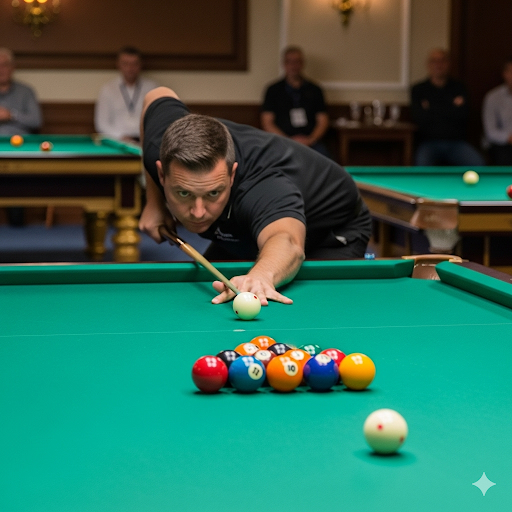
Ten Ball Billiards: A Global Sport of Skill, Strategy, and Culture
Ten Ball Billiards has emerged as one of the most respected cue sports worldwide. The game combines precision, strategy, and competitive intensity, making it a favorite for both amateurs and professionals. Its rise over the past century reflects not only the popularity of billiards but also the growing demand for games that reward skill over luck. While rooted in traditional pool games, Ten Ball has carved out its own identity in billiard halls, tournaments, and even schools. Understanding its history, global reach, amateur growth, professional leagues, and cultural impact highlights why the sport holds such an important place today.
The Origin and History of Ten Ball Billiards
The story of Ten Ball Billiards begins with the larger history of billiards itself. Billiards evolved from lawn games played in Europe as early as the 15th century. Nobility moved the game indoors, and wooden tables replaced grassy fields. Over time, variations developed, including carom billiards, snooker, and pool.
Eight Ball and Nine Ball became the most well-known pool variants during the 20th century. However, as Nine Ball tournaments grew, players noticed issues. Many felt the game relied too heavily on luck, especially during the break. A skilled player could lose simply because of a fortunate roll by their opponent. Professionals wanted a format that placed a stronger emphasis on strategy.
Ten Ball emerged as the answer. Its rules increased difficulty and reduced chance elements. The game first gained popularity in the United States in the 1960s. Players in major billiard halls began experimenting with the format. By the 1980s, Ten Ball tournaments started appearing in regional competitions.
The sport gained official recognition in the early 2000s when governing bodies such as the World Pool-Billiard Association (WPA) began sanctioning events. Since then, Ten Ball has become one of the premier professional disciplines, standing alongside Nine Ball and Eight Ball as a benchmark for cue sports mastery.
Global Popularity of Ten Ball Billiards
The growth of Ten Ball Billiards has been remarkable. Today, the game enjoys popularity across continents. From North America to Asia, it attracts both casual players and dedicated professionals.
In the United States, pool halls still thrive in many cities. Leagues often include Ten Ball divisions, giving players variety beyond Eight Ball. Las Vegas, known as the center of American pool tournaments, regularly hosts major Ten Ball championships.
Europe has embraced the game as well. Countries like Germany, Poland, and the United Kingdom boast strong competitive scenes. European Billiard federations actively promote Ten Ball events, and some of the world’s best professionals hail from these countries.
Asia, however, may be the true powerhouse. The Philippines, Taiwan, and China produce world-class players year after year. These nations view billiards as both a competitive sport and a cultural pastime. Packed billiard halls in Manila or Taipei showcase the enthusiasm surrounding the game.
Latin America has also seen a surge of interest. Nations like Mexico and Venezuela field competitive players who excel internationally. The game’s accessibility and relatively low equipment cost contribute to its popularity in many regions.
Thanks to streaming platforms, fans from anywhere can now follow major tournaments online. This global access has further fueled growth, making Ten Ball one of the most recognized cue sports today.
Amateur Ten Ball Billiards Around the World
Amateur participation plays a crucial role in the sport’s future. Across the world, countless enthusiasts practice the game at local clubs and halls. Unlike professionals, amateurs often play for enjoyment, social connection, or skill development.
In the United States, amateur leagues include Ten Ball divisions alongside Eight Ball and Nine Ball. Organizations such as the American Poolplayers Association (APA) and the Billiard Congress of America (BCA) provide structured competition. Weekend tournaments often feature large amateur draws.
Youth programs also support the game’s growth. Some schools introduce students to billiards as part of recreational programs. Community centers frequently run pool classes that include Ten Ball basics. Learning early gives young players confidence and nurtures long-term interest.
In Europe, structured amateur competitions are common. Clubs in Germany and Poland hold youth tournaments, fostering the next generation of champions. Junior leagues provide regular practice opportunities, and many professional stars began in these programs.
Asian nations also emphasize amateur participation. In the Philippines, young players learn the game in small neighborhood halls. Many future champions first picked up a cue in informal community matches. In Taiwan, schools often support youth leagues, and private academies offer coaching.
Online platforms now allow amateurs to connect globally. Forums and social media groups let players share strategies, post game videos, and organize local events. This digital community helps amateur Ten Ball maintain strong momentum across the world.
Professional Leagues and Tournaments
The professional side of Ten Ball Billiards has grown into a global powerhouse. Official leagues and sanctioned tournaments bring together the best talent. The competitive format emphasizes precision, tactical play, and nerves of steel.
The World Pool-Billiard Association (WPA) oversees international standards. Under its guidance, Ten Ball championships are recognized worldwide. The WPA World Ten Ball Championship is the sport’s most prestigious event. It regularly features top-ranked players from every continent.
In the United States, the United States Professional Poolplayers Association (USPPA) and other organizations host major events. Las Vegas, Orlando, and New York frequently serve as venues for professional tournaments.
Europe boasts its own strong circuit. The EuroTour includes Ten Ball competitions where elite players compete for ranking points. Countries like Germany and Poland often dominate, thanks to their structured training programs.
Asian players consistently perform at the highest level. The Philippines, Taiwan, and China produce champions who excel on the global stage. Events in Manila or Beijing attract massive crowds, showcasing the sport’s cultural importance in Asia.
Corporate sponsorships have strengthened the professional circuit. Brands tied to billiards equipment, sportswear, and streaming platforms invest heavily in tournaments. This support ensures prize pools remain attractive and helps players pursue full-time careers.
Professional Ten Ball has also benefited from television and online broadcasts. Networks in Europe and Asia frequently air matches, while streaming platforms provide international fans with live coverage. This exposure has turned several players into global sports icons.
Social and Political Significance
Ten Ball Billiards holds importance beyond just competition. Socially, the game serves as a unifying activity across diverse groups. In pool halls, individuals of all ages and backgrounds come together. The sport fosters friendships, mentorship, and community bonds.
Culturally, it has long been associated with both working-class recreation and high-level strategy. In many countries, pool halls represent safe social spaces where people gather to relax and connect. The sport often bridges generational gaps, with older players teaching younger ones.
Politically, Ten Ball has carried symbolic weight. Governments in Asia, for instance, promote billiards as a demonstration of national talent. Success in international tournaments becomes a source of national pride.
Furthermore, the sport has contributed to economic growth. Billiard halls create jobs, from table manufacturers to event staff. International tournaments generate tourism revenue, drawing fans and players from around the globe.
In some regions, promoting billiards has even been part of public policy. Countries like China and the Philippines recognize cue sports as pathways to both athletic development and cultural promotion.
The social and political significance of Ten Ball demonstrates that the sport is far more than entertainment. It is also a cultural connector, an economic driver, and a source of national prestige.
The Rules of Ten Ball Billiards
The rules of Ten Ball Billiards set it apart from other cue sports. While similar to Nine Ball, the differences increase difficulty and reduce luck. Players must therefore rely on skill and precision.
The game uses a standard pool table with six pockets. Ten object balls, numbered one through ten, are placed in a triangle rack. The one ball sits at the apex, the ten ball in the center.
The break shot begins the game. A legal break requires hitting the one ball first and driving at least four balls to the rails. If the ten ball is pocketed on the break, it is re-spotted, and play continues.
After the break, the player must always aim for the lowest-numbered ball on the table. Unlike Nine Ball, calling shots is mandatory. A player must state both the ball and the intended pocket before shooting. This requirement greatly reduces lucky flukes.
If a called shot is pocketed correctly, the player continues. If the shot is missed or pocketed incorrectly, the turn passes to the opponent.
Combination shots are legal as long as the lowest-numbered ball is struck first. For example, hitting the one ball into the ten ball is allowed if called properly.
The game ends when the ten ball is pocketed legally. A match usually consists of multiple racks, often in a race-to format such as “race to nine.”
Fouls include failing to contact the lowest-numbered ball, scratching, or failing to drive a ball to a rail. Opponents then receive ball-in-hand, allowing them to place the cue ball anywhere on the table.
These rules make Ten Ball a true test of skill. Players cannot rely on chance to secure victories. Instead, every shot must be deliberate, calculated, and executed with precision.
Conclusion
Ten Ball Billiards has grown into one of the most respected and challenging cue sports in the world. Its origins reflect the evolution of billiards itself, while its global popularity demonstrates the universal appeal of strategic competition. From amateur halls to professional championships, the game thrives across continents.
The sport’s social and political significance adds depth beyond the table, creating cultural connections and fostering national pride. Meanwhile, the demanding rules ensure that skill and strategy remain central to every match.
For both casual fans and dedicated players, Ten Ball Billiards represents far more than a game. It is a celebration of precision, focus, and competitive spirit. With strong global support and a thriving professional scene, its future looks brighter than ever.