
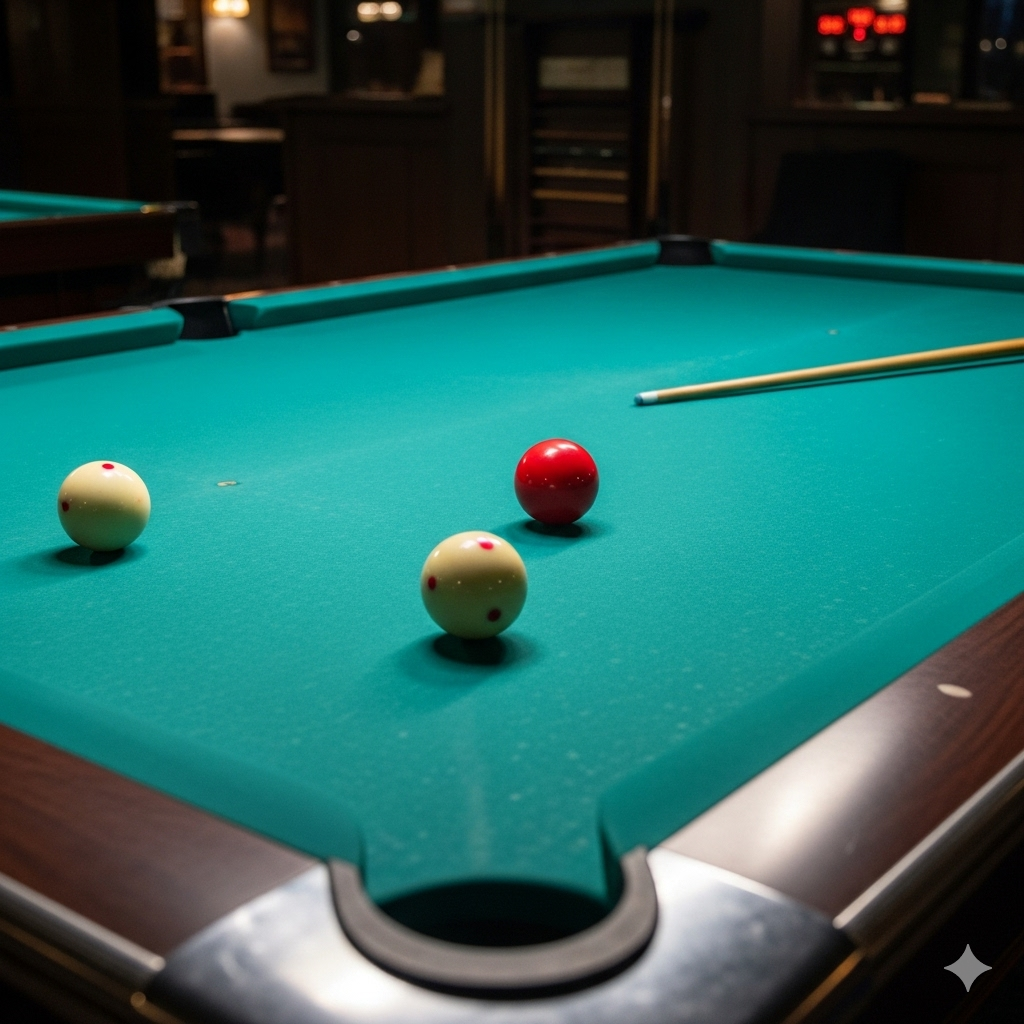
The Fascinating World of Three Ball Billiards
Three Ball Billiards is a unique cue sport that combines speed, skill, and strategy in a way no other game does. Unlike traditional billiards or pool, the format is fast-paced and thrilling. Players compete not only against each other but also against themselves, striving for the lowest number of shots possible. Because of its short duration and intensity, the game has grown steadily in popularity worldwide. To truly understand this sport, one must explore its history, global reach, amateur and professional play, social and political influence, and precise rules.
The Origin and History of Three Ball Billiards
Billiards has existed for centuries. Historians trace its beginnings back to lawn games played in Europe during the 15th century. As cue sports developed, different versions emerged. Games like carom billiards, snooker, and eight-ball became popular in different regions. Among these variations, Three Ball Billiards carved out its own niche.
The exact origin of Three Ball Billiards remains debated. Some claim it began as a barroom gambling game in the United States during the 20th century. Its simplicity made it appealing. Players only needed three balls and a table to get started. Others suggest that it was influenced by carom billiards, which also focuses on scoring with fewer balls. Over time, the rules were refined into the format we recognize today.
By the 1980s, the game was a common sight in American pool halls. Patrons enjoyed the quick rounds and the gambling opportunities. Tournaments began popping up in bars and local leagues. Because the matches finished quickly, more players could participate in a single evening. This accessibility helped it spread beyond casual settings.
During the 1990s, the game began to appear in organized competition. Small regional events laid the foundation for larger tournaments. As online forums and cue sport communities grew in the 2000s, interest spread globally. Videos of the game circulated, and new fans appreciated the speed and intensity compared to longer billiards formats.
The Global Popularity of Three Ball Billiards
Today, Three Ball Billiards enjoys a global presence. In the United States, it continues to thrive in pool halls, bars, and tournaments. The game appeals to both casual players and serious competitors.
In Europe, especially in the United Kingdom and Germany, the sport has carved out a loyal following. Many European players who grew up on snooker and carom billiards find the quick style refreshing. Clubs often host Three Ball Billiards nights to attract younger members.
Asia has also embraced the game. Countries like Japan, South Korea, and the Philippines, known for strong cue sport traditions, now feature local tournaments. Players in these regions enjoy experimenting with variations, adding new strategies and cultural influences.
Latin America contributes its own flair to the sport. In Mexico and Brazil, Three Ball Billiards often accompanies music and social gatherings. It is less about strict competition and more about community. Still, competitive players from these regions are rising in global rankings.
Online platforms have boosted popularity further. Livestreamed events, tutorials, and highlight reels keep fans engaged. Social media has introduced the game to younger audiences, helping it grow outside traditional billiards circles.
Amateur Play: Youth and Schools
Amateur Three Ball Billiards is thriving. Many schools and youth centers use it as a way to introduce cue sports. The game’s quick format makes it ideal for beginners. Kids do not lose focus since rounds end in just a few minutes.
Community programs often adopt the sport as well. In the United States, after-school recreation centers have introduced Three Ball Billiards to teach patience, hand-eye coordination, and fair competition. Because the rules are simple, children can understand the game quickly.
Youth leagues in Europe mirror this approach. For instance, Germany has several billiards clubs that include youth divisions. Coaches use Three Ball Billiards as a stepping stone before players move to more complex games like nine-ball or snooker.
In Asia, schools sometimes include cue sports in extracurricular activities. Japan, in particular, has a tradition of turning hobbies into disciplined practice. Three Ball Billiards provides an excellent balance between fun and focus.
Amateur tournaments also attract adults who play casually. Local bars and clubs often run nightly competitions where prizes range from free drinks to small cash rewards. These events keep the grassroots scene alive and vibrant.
Professional Leagues and Global Competitions
Professional play has elevated Three Ball Billiards into a recognized cue sport. Although not as widespread as snooker or nine-ball, professional leagues exist in different parts of the world.
In the United States, several national-level tournaments are hosted annually. The most notable include bar league championships that draw players from across the country. These events often run alongside larger pool tournaments, giving Three Ball Billiards extra exposure.
Europe hosts international competitions as well. The European Cue Sports Confederation has shown interest in incorporating Three Ball Billiards into its calendar. Although it remains a side event, its popularity continues to climb.
In Asia, South Korea and Japan are pushing the professional scene forward. Their leagues attract top cue sport players who enjoy the challenge of adapting strategies to a quicker format. These competitions are highly televised and streamed online, building recognition.
The World Pool-Billiard Association (WPA) has yet to fully sanction a world championship for Three Ball Billiards. However, independent organizations are filling the gap. Online tournaments have also emerged, allowing international participation without travel. This format became especially popular during the COVID-19 pandemic.
The Political and Social Significance of the Sport
Sports often reflect larger cultural and political dynamics, and Three Ball Billiards is no different. At its core, the game symbolizes accessibility. With only three balls required, it strips down the barriers that more complex cue sports impose. This minimalism represents inclusion, making it popular in regions where equipment resources are limited.
Politically, the sport has been tied to community development programs. Governments and local organizations often use billiards, including Three Ball Billiards, to engage youth in constructive activities. For example, in areas struggling with youth crime, cue sports provide safe spaces for social interaction.
Socially, the sport strengthens communities. In bars, pool halls, and clubs, Three Ball Billiards serves as an icebreaker. Players meet, compete, and form friendships over short matches. Unlike marathon snooker games, this format encourages more rotation and interaction among participants.
In developing regions, the sport often symbolizes upward mobility. Talented players can rise from local clubs to international recognition. For many, it provides an alternative path to success, similar to boxing or soccer in poor communities.
Additionally, the gambling aspect tied to its history reflects both controversy and community bonding. While some see it as risky, others view it as harmless fun when managed responsibly. This duality makes the sport a topic of social debate in many cultures.
Rules of Three Ball Billiards
The rules of Three Ball Billiards are straightforward yet challenging to master. The simplicity draws players in, but the skill keeps them engaged.
- Objective
The goal is to sink all three balls in the fewest shots possible. - Setup
- The game uses a cue ball and three object balls, usually numbered 1, 2, and 3.
- Balls are racked in a triangular formation at the foot spot.
- The player breaks from behind the headstring.
- Gameplay
- After the break, the player continues shooting until all balls are pocketed.
- Every stroke counts as a point, including the break shot.
- Fouls add penalty points to the score.
- Scoring
- The final score equals the total number of strokes plus penalties.
- The lowest score wins.
- In case of a tie, a playoff round may be played.
- Fouls
Common fouls include:- Scratching the cue ball.
- Failing to hit any object ball.
- Driving no ball to a rail when contact is made.
Penalties usually add one point to the score.
- Tournament Play
- Players usually compete in rounds.
- Each player completes a full game, and the scores are compared.
- The format allows large groups to participate efficiently.
The balance of luck and skill makes each round unpredictable. A perfect break can set up an easy finish, but a poor shot can force creative recovery.
Why People Love Three Ball Billiards
Fans love the game for its speed. A round takes only minutes, making it more exciting than longer cue sports.
Players appreciate the challenge. Every shot matters, and the margin for error is slim. Unlike nine-ball, where safety play can extend matches, Three Ball Billiards demands precision from the start.
Communities enjoy the inclusivity. With minimal equipment required, nearly anyone can participate. That accessibility fuels both casual and competitive growth worldwide.
Conclusion
Three Ball Billiards may have humble roots, but its global journey has been remarkable. From barroom origins in the United States to international tournaments in Asia and Europe, the game continues to expand. It serves as a bridge between casual fun and professional competition. Youth programs, schools, and amateur leagues nurture the next generation of players. Professional events showcase the best talents on global stages.
The sport also carries deep social significance. It promotes community, accessibility, and opportunity across cultures. While its gambling roots remain controversial, its modern appeal lies in fairness and excitement.
Most importantly, the rules keep the game engaging and accessible. With just three balls and a cue stick, anyone can step up and compete. That simplicity ensures that Three Ball Billiards will continue to attract new players and fans for generations to come.