
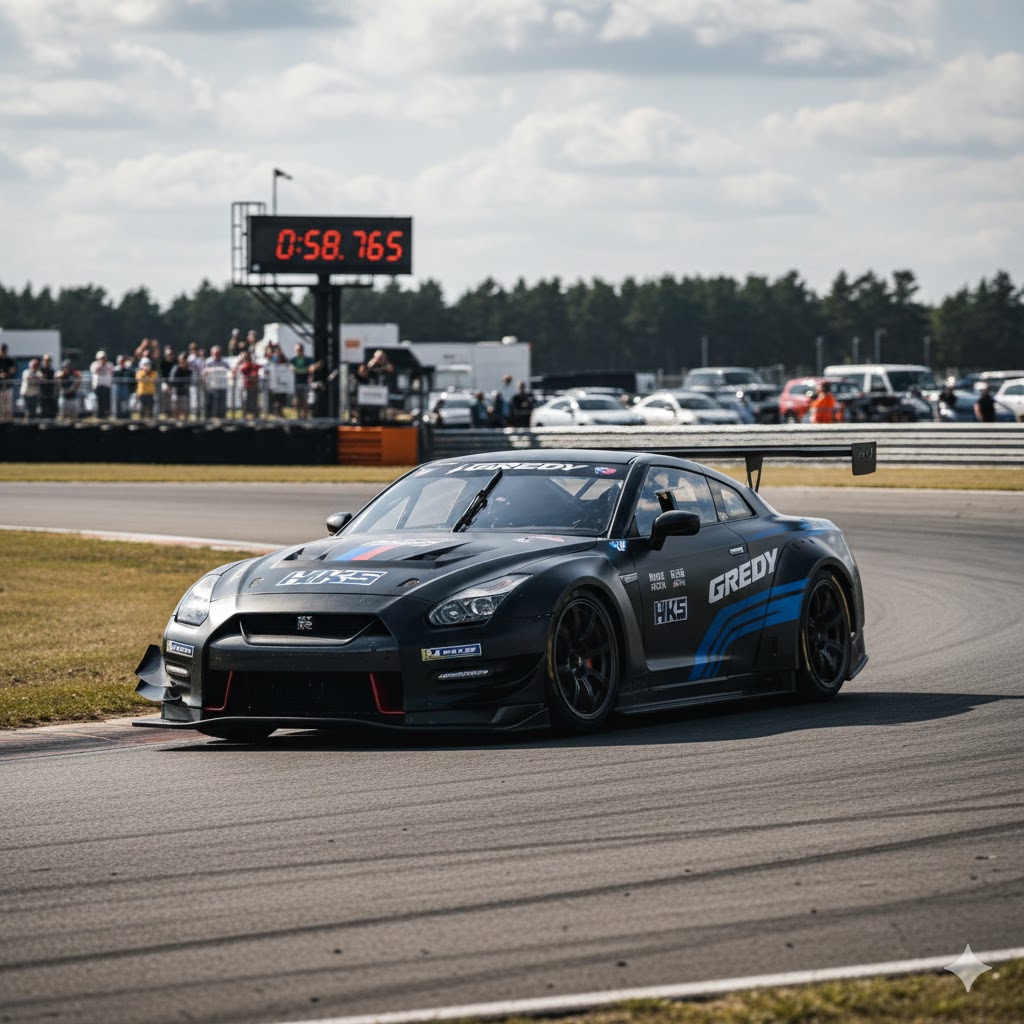
The Thrilling World of Time Attack: Racing Against the Clock
Time Attack is one of the most electrifying forms of motorsport on the planet. It’s not about wheel-to-wheel battles or collisions. Instead, it’s a pure test of speed, skill, and precision. Drivers compete to post the fastest lap time on a given track. Every millisecond counts, and there’s no room for mistakes.
Born from the Japanese racing scene, Time Attack has grown into a global phenomenon. Its unique format attracts both amateur drivers and professional racing teams. The sport’s simplicity hides its complexity — mastering it requires incredible focus and technical expertise.
Let’s explore the history, growth, structure, leagues, and deeper significance of Time Attack.
The Origin and History of Time Attack
The roots of Time Attack trace back to Japan in the 1980s. During that decade, Japanese car culture exploded. Street racers wanted to prove who had the fastest car, but public roads were dangerous and illegal for such contests. Enthusiasts needed a safer outlet.
The legendary Tsukuba Circuit became the birthplace of organized Time Attack racing. Tuners like HKS, Mine’s, and RE Amemiya began using the track to test their cars’ performance. Their goal was to set the fastest possible lap time on a closed circuit. This approach eliminated the dangers of street racing while keeping the thrill alive.
Unlike traditional racing, Time Attack didn’t rely on wheel-to-wheel combat. It relied on precision engineering and driver skill. Each competitor had a limited number of laps to record their best time. That format made it appealing to tuners and enthusiasts focused on technical perfection.
By the 1990s, Japanese car magazines and video productions like Best Motoring popularized Time Attack. These broadcasts showcased fierce rivalries between tuning houses. Viewers around the world were captivated by the speed and sound of modified Japanese cars pushing limits.
Soon, Time Attack spread beyond Japan’s borders. Australia, the United Kingdom, and the United States developed their own events. The sport evolved into a recognized form of competition, blending engineering innovation with intense driving performance.
Global Popularity and Expansion
Today, Time Attack enjoys international recognition. The sport thrives across Asia, Europe, North America, and Australia. Each region adds its own style while preserving the same time-based competition format.
In Japan, Tsukuba Circuit remains sacred ground for Time Attack fans. The annual Tsukuba Super Lap Battle still attracts global attention. Cars built specifically for this event often feature extreme aerodynamics and massive power.
Australia hosts one of the most famous events outside Japan — the World Time Attack Challenge (WTAC) at Sydney Motorsport Park. Since its debut in 2010, WTAC has become the sport’s unofficial world championship. Teams from around the world bring their best machines to chase records. The atmosphere combines festival energy with elite racing precision.
In Europe, Time Attack UK (TAUK) leads the charge. It has developed a strong following with professional teams, grassroots racers, and spectators. Many events occur at legendary circuits such as Brands Hatch, Silverstone, and Donington Park.
The United States also embraces Time Attack with growing enthusiasm. The Global Time Attack series attracts both professionals and amateur drivers. The mix of tuners, manufacturers, and weekend racers creates a diverse and competitive field.
Other nations, including Canada, South Africa, and New Zealand, have established smaller circuits and regional competitions. Online communities and social media have amplified global interest, allowing fans to track results and follow builds worldwide.
How Amateur Time Attack Is Played
Amateur Time Attack represents the heart of the sport. It allows car enthusiasts to participate without massive budgets. Local racing clubs and track-day organizations often host these events at established circuits.
Drivers enter various classes depending on their car’s modifications. Categories usually include street, club, and open classes. Street class cars must remain close to stock condition, while open class cars allow extensive modifications. This system ensures fair competition across different performance levels.
Every driver gets several sessions to record their best lap time. A timing system measures accuracy down to thousandths of a second. Each competitor’s fastest clean lap determines their position. Consistency, focus, and precision matter far more than aggression.
Many countries encourage youth participation. Programs and karting academies introduce young drivers to racing concepts early. Some high schools and colleges partner with motorsport associations to offer driving and engineering experiences. These educational programs help students understand vehicle dynamics, safety, and sportsmanship.
Amateur Time Attack also serves as a stepping stone to professional racing. Many successful drivers started by testing their skills in grassroots events. They learned the fundamentals of racing lines, braking points, and track awareness before moving up.
The accessibility of Time Attack makes it special. Unlike full professional racing series, the barrier to entry is lower. Drivers can participate using their own cars with minimal modifications. That inclusiveness has helped grow the sport’s passionate community worldwide.
Professional Time Attack Leagues Around the World
As the sport evolved, professional Time Attack leagues formed to organize competition and attract sponsors. These leagues now represent the highest level of skill, technology, and commitment in this discipline.
1. World Time Attack Challenge (WTAC) – Australia
The WTAC is arguably the world’s premier Time Attack event. Held annually at Sydney Motorsport Park, it gathers elite teams from Japan, the United States, and Europe. Competitors push cars to incredible limits, often surpassing performance levels seen in professional touring or GT racing.
Cars in WTAC’s top classes feature extreme aerodynamics, carbon fiber construction, and engines producing over 1,000 horsepower. Engineers and mechanics spend months perfecting every detail. Fans fill the stands to witness record-breaking runs and thrilling displays of speed.
WTAC also hosts supporting categories, including amateur and street divisions. This inclusion allows rising drivers to share the track with international legends.
2. Global Time Attack (GTA) – United States
GTA serves as North America’s leading professional league. It combines multiple events across famous circuits such as Buttonwillow Raceway, Road Atlanta, and Circuit of the Americas.
Competitors range from independent tuners to professional teams supported by major automotive brands. GTA’s organization promotes fairness through strict class rules and advanced timing systems.
One of GTA’s highlights is the Super Lap Battle, which concludes the season. It brings together the best performers for a final showdown to crown champions in each category.
3. Time Attack UK (TAUK) – United Kingdom
TAUK represents the European heart of the sport. It provides an organized championship format across several rounds and tracks. Drivers accumulate points based on their finishing times in each event.
The UK’s challenging weather adds another layer of complexity. Wet conditions often force drivers to adapt quickly. This unpredictability tests both skill and mental toughness.
4. Attack Maximum Challenge – Japan
Back where it all began, the Attack Maximum Challenge continues Japan’s long-standing tradition. It emphasizes raw performance and innovation. Participants often include famous tuners and professional drivers testing experimental builds.
The series remains intensely competitive, but its atmosphere feels like a celebration of engineering excellence. Many cars that break records here inspire global builds.
5. European Time Attack Masters – Continental Europe
This league connects multiple European nations. It unites racers from Germany, Italy, Poland, and beyond under a single championship. Circuits like Nürburgring and Monza provide stunning backdrops for the competition.
Together, these professional leagues sustain the global presence of Time Attack. Each event showcases the blend of technology, bravery, and precision that defines this sport.
The Political and Social Significance of Time Attack
Beyond speed and records, Time Attack holds cultural and political value. It reflects a deeper connection between society, technology, and environmental awareness.
In Japan, Time Attack symbolizes innovation. It demonstrates the country’s dedication to precision engineering and performance tuning. Car manufacturers observe these events closely, often incorporating lessons learned into production models. The sport reinforces Japan’s global image as a leader in automotive technology.
Socially, Time Attack provides a positive outlet for automotive passion. Instead of illegal street racing, enthusiasts can channel energy into organized competition. This shift reduces public danger while building strong communities centered around respect and discipline.
In Western countries, Time Attack has influenced policy discussions around motorsport accessibility. Many local governments now support track development and driving education programs. These initiatives create safe spaces for enthusiasts and stimulate tourism and local economies.
Environmental awareness also plays an increasing role. Many Time Attack teams now explore hybrid or electric builds. Events in Europe and Australia encourage sustainable practices such as emissions reduction and efficient logistics. This adaptation helps align motorsport with modern ecological goals.
The sport also bridges cultural gaps. Drivers from different countries unite under shared passion. Fans follow international teams and celebrate engineering creativity from around the world. This global exchange of ideas strengthens the automotive community and fosters respect across borders.
Time Attack’s social impact extends to education as well. Many universities integrate racing projects into engineering curricula. Students design and test vehicles inspired by the sport’s principles. This hands-on learning shapes future innovators and mechanical experts.
The Rules and Structure of Time Attack
Although rules vary slightly between organizations, the core structure remains consistent. Time Attack revolves around one simple objective: set the fastest lap possible within specific conditions.
The Format
Each event typically includes practice, qualifying, and timed sessions. Drivers start individually or with wide spacing to avoid interference. They have a limited number of laps per session to achieve their best time.
Lap timing uses advanced transponders and sensors for precision. Results rank competitors based on their fastest recorded lap. Unlike traditional racing, overtaking doesn’t matter. The clock is the only opponent.
Vehicle Classes
Cars compete in categories to ensure fairness. Common classes include:
- Street Class – Lightly modified production cars with street tires and full interiors.
- Club Class – Moderately tuned cars with more freedom for upgrades.
- Open Class – Highly modified cars with aerodynamic and power enhancements.
- Unlimited Class – No restrictions. Pure engineering creativity defines this level.
Each class follows detailed technical regulations regarding tires, fuel, safety equipment, and aerodynamics.
Safety Requirements
Safety is crucial in Time Attack. Drivers must wear approved helmets, fireproof suits, and gloves. Cars need roll cages, racing harnesses, and fire suppression systems.
Before events, technical inspections confirm compliance. Track marshals and medical staff remain on standby throughout the competition.
Lap Validity
To count, a lap must be “clean.” Cutting corners, leaving the track, or impeding others can result in penalties or disqualification. Officials monitor performance using cameras and sensors.
Scoring and Awards
Winners are determined by the single fastest lap. Some leagues award points across multiple rounds to crown seasonal champions. Prizes may include trophies, sponsorship deals, or invitations to international events.
Spectator Engagement
Spectators enjoy close access to cars and teams. Many events allow fans to visit pit areas, meet drivers, and watch modifications happen in real time. This open environment strengthens community bonds and builds long-term loyalty.
Engineering and Technology Behind the Speed
Time Attack demands advanced engineering. Every car is a rolling laboratory where aerodynamics, suspension, and power systems reach perfection.
Teams analyze every factor — from tire pressure to airflow patterns. Computational fluid dynamics (CFD) and wind tunnel testing often guide body design. Massive wings, diffusers, and splitters generate downforce for grip through corners.
Engines push boundaries of reliability and performance. Turbocharging, lightweight materials, and engine mapping optimization extract every possible horsepower. Cooling systems, brakes, and tires must handle extreme stress during short bursts of maximum effort.
Electronics play a major role too. Data loggers track every second of each lap. Engineers adjust setups in real time based on telemetry feedback. That constant refinement embodies the spirit of Time Attack — continuous improvement.
These innovations often influence mainstream automotive technology. Manufacturers test new materials, sensors, and hybrid systems through racing experience. The sport becomes both entertainment and research.
Community and Culture Around Time Attack
Beyond competition, Time Attack represents a lifestyle. Enthusiasts gather at tracks not only to race but to share passion and creativity.
Car meets, tuning expos, and online forums connect fans worldwide. Builders post videos of their setups, inviting feedback from peers. The exchange of ideas fuels innovation and friendship.
Social media has amplified this connection. YouTube and Instagram showcase builds, track days, and behind-the-scenes development. Fans witness how cars evolve between seasons, creating emotional investment.
Time Attack also celebrates individuality. Every car tells a story of its owner’s dedication. Some build machines in home garages; others work in professional workshops. Regardless of background, everyone chases the same goal — that perfect lap.
This culture of respect and shared pursuit makes Time Attack unique. It’s not about money or fame. It’s about pushing personal and mechanical limits while enjoying the thrill of speed responsibly.
The Future of Time Attack
The future looks bright for this high-speed discipline. Growing interest from younger generations ensures sustainability. Affordable entry classes, digital simulators, and streaming coverage attract new participants.
Electric and hybrid vehicles are reshaping competition. As technology advances, electric Time Attack cars will likely set new benchmarks. Instant torque and regenerative braking introduce fresh challenges for engineers and drivers alike.
Esports also play a growing role. Virtual Time Attack leagues allow global competition without physical tracks. These digital platforms train reflexes, teach racing lines, and build fan engagement.
As environmental regulations tighten, organizers will continue adapting. Sustainable fuels, carbon offset programs, and cleaner logistics will redefine racing’s relationship with nature.
Ultimately, Time Attack will remain about human passion. Whether powered by gasoline or electricity, the heart of the sport lies in determination and innovation.
Conclusion
Time Attack stands as one of motorsport’s purest expressions of competition. Its origins in Japan sparked a worldwide movement that now connects thousands of racers and fans. The sport celebrates technical excellence, individual achievement, and community spirit.
From amateur drivers learning the craft to professionals breaking lap records, every participant shares the same mission — conquer the clock. With evolving technology and growing global support, Time Attack continues to inspire speed enthusiasts everywhere.
It’s more than a race. It’s a relentless pursuit of perfection, one lap at a time.