
Toboggan: A Deep Dive into the History, Popularity, and Rules of the Sport
Introduction
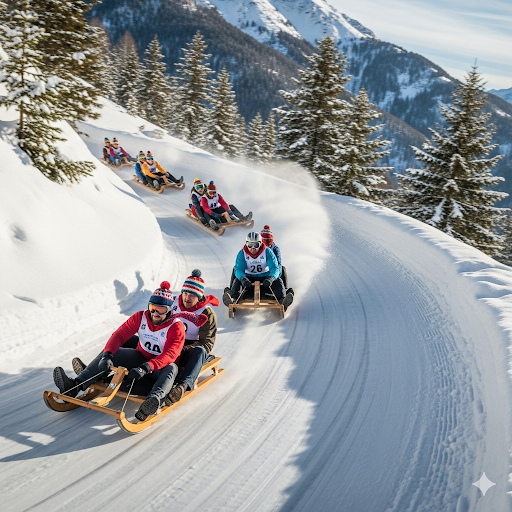
Toboggan has fascinated winter sport lovers for centuries. This thrilling ride down icy slopes blends speed, balance, and tradition. The sport’s roots reach deep into indigenous culture, while its modern form excites crowds across the globe. Today, Toboggan remains both a recreational pastime and a competitive pursuit. Families enjoy it on snowy hills, while athletes race professionally. The following guide explores its history, worldwide popularity, amateur development, professional leagues, cultural significance, and detailed rules. By understanding Toboggan, you can see how an ancient practice became an international winter sport.
The Origin and History of Toboggan
The story of Toboggan begins long before it was recognized as sport. Indigenous peoples in Canada and northern United States crafted simple wooden sleds to travel over snow. These early toboggans carried food, tools, and even people across harsh winter landscapes. Unlike sleds with runners, they were flat-bottomed and flexible. This design allowed them to glide easily over deep snow.
French settlers in North America adopted the toboggan as both transport and recreation. The word itself comes from the Algonquin language, with variations like “tobakun” or “tobakunh.” By the 1800s, wealthy Europeans visiting Canada saw locals using toboggans for fun. Tourists from Britain brought the idea home, and organized tobogganing clubs soon appeared.
In the late 19th century, Switzerland embraced the sport. Resorts in St. Moritz and Davos created icy tracks where aristocrats raced toboggans. The famous Cresta Run, built in 1884, became a global symbol of elite winter sport. From there, toboggan racing evolved into luge and skeleton, but traditional tobogganing remained popular.
By the 20th century, toboggan chutes and snow parks were common across Europe and North America. Cities like Montreal and Quebec City even built ice slides for public enjoyment. These urban tracks helped transform the pastime into organized competition. Today, while modern luge and bobsleigh dominate the Olympics, tobogganing retains its cultural roots as a sport in its own right.
Global Popularity of Toboggan
Toboggan enjoys widespread popularity in cold regions around the world. In Canada, it remains a cherished winter tradition. Families gather on community hills, while ski resorts maintain toboggan runs. Quebec City’s Terrasse Dufferin slide attracts thousands every winter.
In Europe, Switzerland and Austria are famous for their toboggan tracks. The Swiss Alps feature long downhill trails, some stretching over 10 kilometers. Tourists and locals alike flock to these courses. Germany also has a strong culture of recreational sledding, with dedicated slopes for toboggans.
In the United States, tobogganing thrives in northern states like Minnesota, Wisconsin, and Maine. Parks often maintain ice chutes, and winter festivals highlight races. The Camden Snow Bowl in Maine is home to the U.S. National Toboggan Championships. This event draws hundreds of teams and thousands of spectators.
Asia has also embraced the sport. In Japan, Hokkaido’s snowy climate provides perfect conditions. Schools organize winter outings where children learn the basics of safe sledding. China has begun developing winter sports infrastructure, including toboggan runs near Beijing and Harbin.
Even in countries without heavy snowfall, artificial tracks make tobogganing possible. Indoor snow parks in Dubai and Singapore offer visitors a taste of the sport. Global tourism has ensured that Toboggan appeals to adventurers far beyond its traditional regions.
Amateur Toboggan: Youth and School Involvement
Amateur tobogganing remains the lifeblood of the sport. Children often experience their first ride on a neighborhood hill. This casual start introduces balance, steering, and teamwork. Parents supervise, ensuring safety while allowing kids to build confidence.
Schools in snowy regions incorporate tobogganing into physical education. Teachers use the activity to teach coordination and fitness. Youth clubs host winter outings where sledding builds social bonds. The accessibility of the sport makes it appealing—no expensive gear is required, just a sled and a hill.
Community competitions bring amateur riders together. Local winter carnivals often include races for children, families, and mixed teams. These events highlight fun rather than elite performance. Prizes range from small trophies to community recognition.
Colleges in northern climates sometimes organize informal leagues. Students create teams for campus winter games, racing down designated slopes. These experiences often spark lifelong appreciation for the sport.
Safety remains central to amateur involvement. Helmets, padding, and designated tracks reduce risk. Schools emphasize rules of fair play and personal responsibility. As a result, children not only enjoy thrilling rides but also learn discipline and respect for shared spaces.
Professional Toboggan Leagues and Events
While much of tobogganing is recreational, professional competition thrives in specific regions. The most famous example is the U.S. National Toboggan Championships in Maine. Teams build custom sleds, some up to four-person size. Races take place on a 400-foot ice chute that drops riders at high speeds. Competitors come from across the United States and even overseas.
In Switzerland, toboggan races remain part of winter festivals. Resorts maintain timed courses where athletes compete for local and regional titles. The tradition connects back to 19th-century alpine culture.
Germany also has organized toboggan leagues, particularly in Bavaria. Clubs host annual tournaments with strict rules on sled design and rider categories. These competitions attract both amateur enthusiasts and semi-professional racers.
In Canada, regional events maintain the sport’s cultural significance. Quebec and Ontario host winter festivals with competitive races. Some events include creative sled competitions, blending performance with engineering skill.
Beyond national boundaries, international tourism has created global showcases. Winter resorts market toboggan races as headline attractions, drawing athletes and fans from multiple countries. Although not as structured as Olympic luge, the professional side of tobogganing retains prestige.
Social and Political Significance of Toboggan
Toboggan carries more than just entertainment value. Socially, it represents community and family bonding. Shared rides down snowy slopes create lasting memories. The sport brings together people of different ages, from children to grandparents.
Culturally, it connects modern society to indigenous traditions. Honoring the origins of the toboggan acknowledges the ingenuity of Native peoples. Festivals in Canada often highlight this heritage, blending sport with cultural education.
Politically, tobogganing contributes to winter tourism economies. Municipal governments invest in toboggan runs and winter carnivals to attract visitors. These events generate income for hotels, restaurants, and local businesses. For smaller towns, the economic impact can be significant.
The sport also carries symbolic value in climate discussions. Declining snow seasons threaten traditional winter activities. Some communities advocate for environmental protection by highlighting the cultural importance of tobogganing. By preserving snowy landscapes, societies safeguard both tradition and recreation.
Additionally, toboggan events promote inclusivity. Many races welcome participants regardless of background or athletic level. Community-based participation fosters unity and mutual respect. In a divided world, shared winter fun becomes a subtle but powerful form of social cohesion.
Rules of Toboggan
Although casual tobogganing is informal, organized events follow structured rules. These ensure fairness and safety. The following guidelines reflect common standards in competitions:
- Sled Specifications
- A toboggan must be flat-bottomed with curved front.
- Length and width are regulated depending on race category.
- Materials must meet safety requirements, often wood or composite.
- Team Composition
- Races may involve single riders or teams up to four.
- Team members must start seated in designated positions.
- Track Regulations
- Courses must be icy, straight, and free of obstacles.
- Safety barriers line the chute to prevent accidents.
- Officials inspect conditions before every race.
- Start Procedure
- Riders begin from a stationary position at the top.
- False starts result in penalties or disqualification.
- Timing and Scoring
- Electronic timers record runs to the hundredth of a second.
- Fastest time determines the winner.
- Ties may require additional runs.
- Safety Requirements
- Helmets are mandatory in competitive races.
- Protective clothing is recommended.
- Spectators must remain outside barriers.
- Sportsmanship
- Competitors must respect officials and fellow racers.
- Unsportsmanlike conduct can result in suspension.
These rules create an environment where speed and skill matter most. At the same time, they keep participants and spectators safe.
Conclusion
Toboggan has journeyed from indigenous survival tool to global winter sport. Its history reflects human adaptation, cultural exchange, and evolving recreation. From the icy slopes of Canada to the alpine trails of Switzerland, the sport thrives on shared excitement. Amateur participation ensures that children, families, and communities stay engaged. Professional leagues and events showcase competitive talent while preserving tradition. Socially and politically, the sport strengthens identity and drives tourism economies.
The rules of tobogganing balance fun with safety, enabling thrilling races under controlled conditions. Although often overshadowed by luge and bobsleigh, Toboggan maintains its distinct identity. It celebrates simplicity, speed, and connection. For those who seek both history and adventure, Toboggan offers the perfect blend of culture and sport.




