
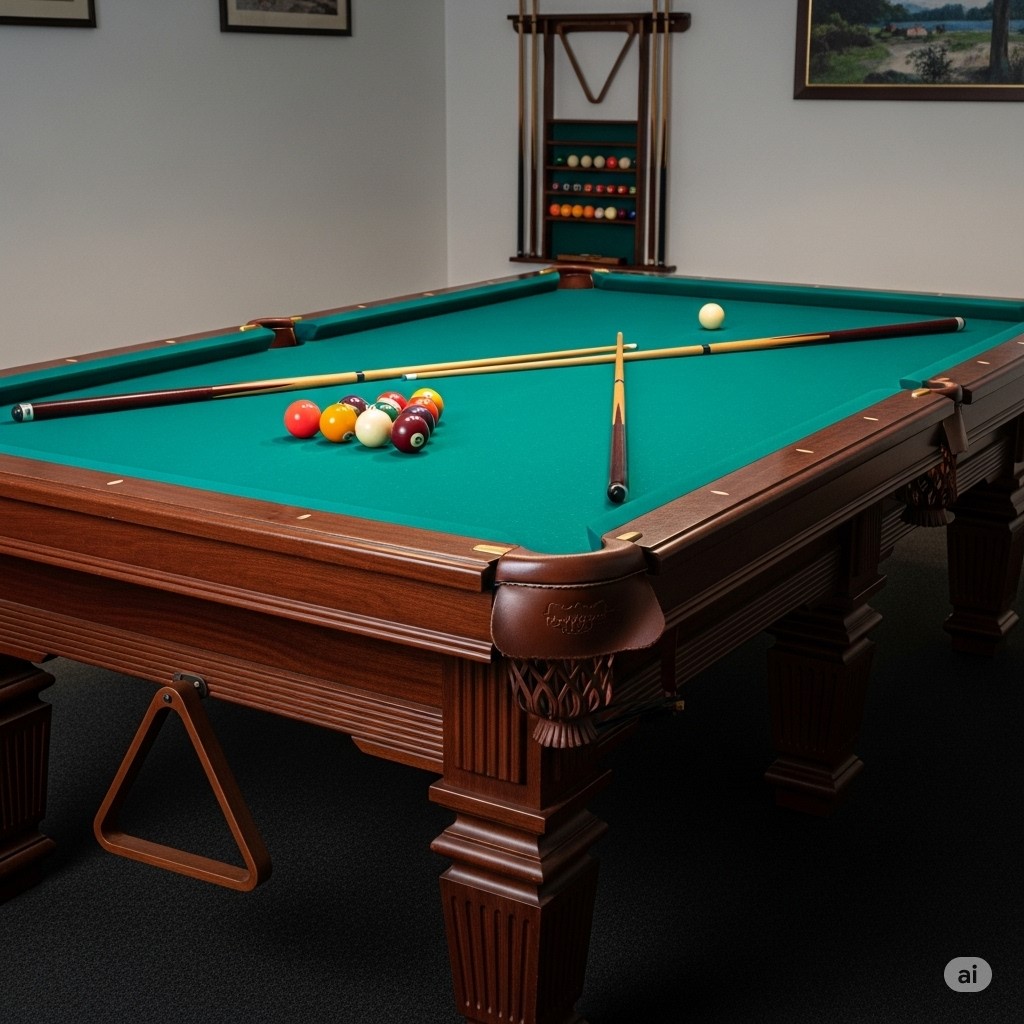
The Fascinating World of Trick Shot Billiards
Trick Shot Billiards is a mesmerizing blend of creativity, skill, and precision. This artistic form of cue sports goes far beyond simply sinking balls into pockets. Instead, it transforms the pool table into a stage where athletes perform gravity-defying, crowd-pleasing stunts. As the sport has evolved, Trick Shot Billiards has gained a loyal global following and inspired both amateurs and professionals to push the limits of possibility.
In this post, we’ll explore the detailed origin of the sport, its global reach, its development in amateur and professional circles, and its social and political significance. We’ll also explain the official rules and structure of competitions. Along the way, you’ll discover why Trick Shot Billiards continues to captivate audiences and inspire the next generation.
The Origins and Evolution of Trick Shot Billiards
To understand the roots of Trick Shot Billiards, you must first examine the broader history of cue sports. The earliest versions of billiards date back to the 15th century. Originating in Europe, the game was initially played on the ground, similar to croquet, before evolving into a table-based format.
As pool and billiards grew in popularity during the 18th and 19th centuries, players began experimenting with unusual shots. Some did this for fun, while others sought to demonstrate superior control. These early trick shots weren’t standardized or formalized. However, they laid the foundation for what would later become a standalone sport.
In the 20th century, pioneers like Willie Hoppe and Minnesota Fats helped elevate the art of billiards trick shots. They regularly included elaborate shots during exhibitions, dazzling fans with creativity and control. During the 1980s and 1990s, televised pool matches introduced trick shots to a wider audience. ESPN, in particular, began broadcasting annual trick shot competitions, giving the sport major exposure.
As a result, what was once an entertaining sideshow became a legitimate competitive discipline. Organizations started forming to govern the sport, develop rules, and host structured tournaments. Trick Shot Billiards had finally arrived as its own category within cue sports.
Trick Shot Billiards Gains Global Popularity
Over the past few decades, Trick Shot Billiards has become a global phenomenon. What was once centered in North America and Europe now enjoys attention from fans and players in Asia, South America, and the Middle East.
In countries like the United States and Canada, trick shot artists are treated like celebrities in the cue sports world. Names such as Mike Massey, Florian “Venom” Kohler, and Steve Markle have millions of online followers. Their videos rack up tens of millions of views on platforms like YouTube and TikTok.
Europe, especially France and the UK, also has a strong Trick Shot Billiards presence. Many European countries hold national-level trick shot competitions. They also regularly send top players to international events. In Asia, particularly in China, Japan, and the Philippines, Trick Shot Billiards is gaining traction among youth and in pool halls.
Online content has played a massive role in this expansion. Social media allows artists to share their unique trick shot routines with the world. Many now post daily trick shot challenges, tutorials, and performance clips. This digital presence has helped grow the sport in regions without a long billiards tradition.
Additionally, international tours and events have introduced the sport to new audiences. Trick shot professionals often travel for live exhibitions in countries like India, South Korea, and Brazil. Each event plants seeds of interest, inspiring local players to take up the challenge themselves.
How Trick Shot Billiards is Played at the Amateur Level
Trick Shot Billiards isn’t just for professionals. Amateurs around the globe are actively participating in local leagues, online contests, and school programs.
At the community level, many pool halls now host monthly trick shot nights. These casual competitions allow players of all ages to showcase their skills. Participants take turns performing pre-determined or freestyle shots, often judged by a panel or audience vote. Winners receive prizes, trophies, or simply the satisfaction of applause.
Youth engagement has become a key driver of the sport’s growth. In the United States, after-school programs in cities like Chicago and Los Angeles include trick shot workshops. These programs use the sport to teach geometry, patience, and focus. Some even hold junior trick shot tournaments.
European schools are also joining the movement. In the UK, organizations like “Cue Zone into Schools” have launched initiatives to integrate cue sports, including Trick Shot Billiards, into physical education curriculums. These programs are especially popular among students who prefer individual sports over traditional team games.
Online, amateur trick shot players compete in virtual tournaments. Events hosted on platforms like Discord, YouTube, and Facebook invite players to submit videos for judging. Categories include artistic creativity, shot difficulty, and originality. This format encourages participation from players in remote areas or countries without organized leagues.
Additionally, trick shot tutorials have democratized learning. Beginners now have access to high-quality instruction from world champions. With practice and persistence, anyone can master the fundamentals and build a personal routine.
Professional Leagues and Competitive Trick Shot Billiards
The professional side of Trick Shot Billiards is highly organized, featuring leagues, sanctioned tournaments, and international competitions.
One of the most recognized organizations is the World Artistic Pool Championship. This event is governed by the WPA (World Pool-Billiard Association) and features the top trick shot professionals from around the globe. Held annually, the competition includes multiple shot categories such as jump shots, masse shots, follow shots, and special art shots.
Each competitor performs a set list of required shots. Points are awarded based on execution, creativity, and difficulty. The player with the highest cumulative score wins the title. Champions earn prize money, trophies, and sponsorship deals.
Another major event is the ESPN Trick Shot Magic tournament. Though not held annually anymore, it was a crucial platform in the 2000s. It brought Trick Shot Billiards to living rooms across America and elevated several players to stardom. Even today, replays of those events circulate widely online.
Europe hosts its own series of pro-level contests, including the Artistic Pool Masters in France and the European Trick Shot Cup. These events follow similar formats and draw elite-level participants from around the continent.
The rise of digital content has also created new avenues for professionals. Many now earn a living through branded trick shot videos, livestreams, coaching, and appearances. Some perform at halftime shows, corporate events, and charity fundraisers. Sponsorships from cue manufacturers and apparel brands further support their careers.
Despite its niche status, Trick Shot Billiards is undeniably a viable professional sport with a growing fan base and income opportunities.
Social and Political Significance of Trick Shot Billiards
While it might seem like a purely recreational pursuit, Trick Shot Billiards holds social and political weight in several ways.
First, the sport is a bridge across generations and cultures. Because trick shots are visual and dramatic, they appeal to both young viewers and older fans. This cross-generational appeal makes it a powerful tool for community engagement. In underserved areas, cue sports centers offer safe spaces where kids can develop skills and confidence.
Additionally, Trick Shot Billiards fosters inclusivity. Unlike many sports, there are no physical barriers to entry. Men and women compete equally. Players with disabilities can participate on a level playing field, particularly with modified equipment or setups. This inclusiveness makes the sport appealing to schools and public programs promoting equity.
On the political front, several countries have started recognizing cue sports, including Trick Shot Billiards, as part of their official sporting bodies. This acknowledgment allows players to receive government funding and visa support for international travel. For example, China’s sports ministry has categorized artistic billiards as a competitive discipline worthy of investment.
The sport also plays a role in diplomacy and international goodwill. Trick shot exhibitions have been used in cultural exchange programs between countries. When a trick shot artist performs overseas, they not only represent the sport but also serve as informal ambassadors of their homeland.
Finally, the sport contributes to economic development. Cue sports centers create jobs, generate local revenue, and attract tourism during competitions. Events like the Artistic Pool World Championship draw visitors from multiple countries, filling hotels and restaurants in host cities.
The Rules of Trick Shot Billiards
Unlike traditional pool or billiards, Trick Shot Billiards has a unique rule set. Each competition may have slight variations, but core principles remain consistent.
Shot Categories
Players must perform shots from different categories:
- Follow shots: where the cue ball follows the object ball after contact.
- Draw shots: where the cue ball spins backward after contact.
- Masse shots: curved shots using extreme cue angle.
- Jump shots: cue ball jumps over obstacles to hit a target.
- Prop shots: use of additional objects or setup devices.
- Special art shots: highly creative shots using multiple balls and cues.
Scoring
Each shot is worth a specific point value, often based on difficulty. Judges score execution, control, and accuracy. Some events also include a creativity bonus.
Players have a set number of attempts per shot—usually two or three. Failing to complete the shot within those tries results in zero points.
Time Limits
Many events enforce time limits per shot or per round to keep the pace brisk. This adds pressure and tests a player’s composure under time constraints.
Equipment
Standard pool tables (often 9-foot) are used. Some players may use specialty cues, such as jump cues or masse cues. However, any non-standard props must be pre-approved by event organizers.
Judges
Panels typically include experienced trick shot artists and certified referees. Judges score each shot independently to avoid bias. Total scores determine rankings and winners.
In freestyle competitions, participants create their own routines. Judges evaluate based on difficulty, creativity, and showmanship. This category highlights the artistic side of Trick Shot Billiards.
Conclusion
Trick Shot Billiards is far more than a sideshow of pool—it’s a dynamic sport with deep roots, passionate players, and global reach. Its rise from billiards exhibitions to organized international competitions reflects its staying power and cultural relevance.
Around the world, amateurs and pros alike continue to shape the sport’s future. Schools are teaching trick shots to students. Leagues are growing. New stars are emerging on social media. Through it all, Trick Shot Billiards remains a celebration of imagination, skill, and fun.
Whether you’re a casual fan or a curious beginner, now is a great time to explore the world of trick shots. Who knows? With a little practice, you might be the next artist to wow the world from the felt-covered stage.