
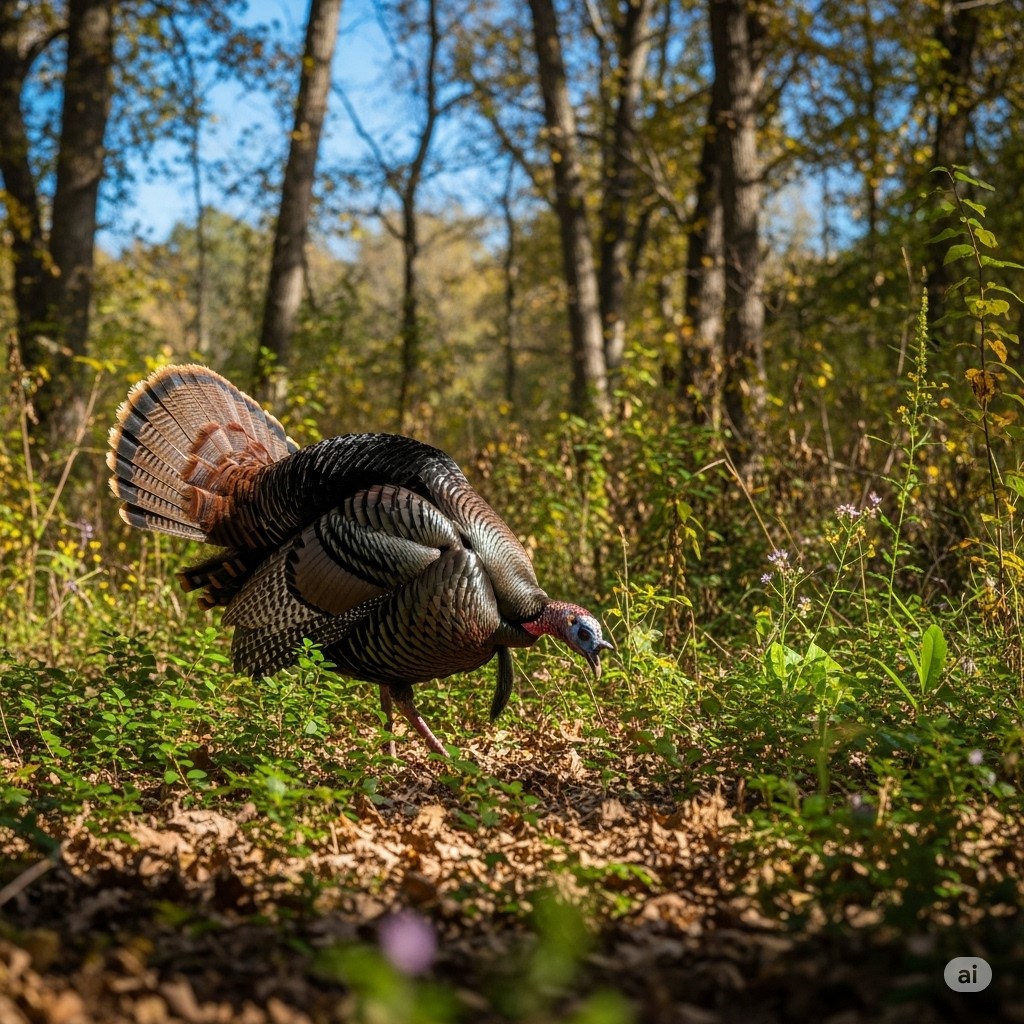
Turkey Hunting: A Deep Dive into One of the Oldest Outdoor Sports
Turkey Hunting is a time-honored sport rooted in both survival and tradition. Today, it thrives as a popular recreational activity across various regions of the world. Enthusiasts pursue wild turkeys not only for the challenge but also to connect with nature. From ancient origins to modern professional leagues, Turkey Hunting has evolved significantly. In this comprehensive guide, we’ll explore the sport’s rich history, global reach, amateur involvement, professional organizations, societal impact, and formal rules. If you’re curious about the world of Turkey Hunting, this is your ultimate resource.
The Origins and History of Turkey Hunting
The roots of Turkey Hunting go back centuries. Native American tribes were the earliest known practitioners. They hunted wild turkeys for food, clothing, and feathers. These birds held cultural and spiritual significance in tribal ceremonies.
As European settlers arrived in North America, they quickly adopted turkey hunting. Colonial hunters often used bows, spears, and primitive firearms. They relied on stealth, camouflage, and turkey calls to lure the birds close.
During the 19th century, overhunting caused wild turkey populations to plummet. Conservation efforts began in the early 1900s. Organizations like the National Wild Turkey Federation (NWTF) helped restore populations through breeding programs and habitat protection.
Modern Turkey Hunting grew as wildlife conservation flourished. With better regulations and controlled hunting seasons, wild turkeys rebounded. Today, the sport is a balance of skill, ethics, and environmental stewardship.
Global Popularity of Turkey Hunting
Although Turkey Hunting originated in North America, its appeal has spread. The United States remains the sport’s epicenter. Hunters in nearly every state pursue Eastern, Osceola, Merriam’s, Rio Grande, or Gould’s turkey subspecies.
Canada also offers prime turkey habitats. Provinces like Ontario and British Columbia allow regulated hunting seasons. Canadian hunters follow similar traditions and techniques as their American counterparts.
In Mexico, Turkey Hunting focuses on the rare Gould’s turkey. This subspecies is highly sought after by international hunters. Many travel to Mexico to complete the “Turkey Grand Slam,” which involves harvesting all five major subspecies.
While not as widespread in Europe, interest is growing. Some European hunters travel abroad to participate. Others engage in local game bird hunting, which shares techniques used in turkey hunting.
Australia and New Zealand do not host wild turkeys. Still, the sport has a niche following through conservation tourism and game ranches.
Overall, Turkey Hunting is strongest in North America but continues gaining global attention. The rise of digital communities and social media has helped unite hunters worldwide.
Amateur Turkey Hunting: Youth and School Involvement
Amateur participation plays a vital role in Turkey Hunting. It starts at a young age, especially in rural communities. Parents often introduce children to the sport through family outings. These early experiences foster a deep appreciation for wildlife and conservation.
Many U.S. states have special youth turkey hunting weekends. These events provide safe and educational hunting environments. Adult mentors guide young hunters through ethical hunting practices, safety procedures, and marksmanship.
Some schools offer outdoor education programs. In areas like the Midwest and South, students can learn about wildlife biology, tracking, and hunting ethics. Field trips often include turkey scouting and turkey call demonstrations.
4-H and Boy Scouts of America promote hunting education through certified programs. Participants can earn badges or awards by mastering turkey hunting techniques.
Colleges and universities have also embraced the sport. Wildlife management programs incorporate field experience in turkey behavior, habitat restoration, and population studies. Hunting clubs on campuses organize events and advocate for responsible game laws.
Public hunting lands, state forests, and private leases provide access to amateurs. Regulations ensure fairness and sustainability, giving young hunters the chance to participate without overharvesting.
This grassroots involvement keeps the sport thriving. It also ensures that Turkey Hunting continues as a multigenerational tradition.
Professional Leagues and Organizations
While Turkey Hunting is primarily recreational, several professional avenues exist. Competitions, calling contests, and pro staff sponsorships provide visibility and financial opportunities.
The National Wild Turkey Federation (NWTF) organizes regional and national calling competitions. These contests require participants to mimic turkey sounds using diaphragm, box, and slate calls. Judges score based on accuracy, rhythm, and realism.
The Grand National Calling Championships (GNCC) is the sport’s most prestigious event. It draws elite callers from across the world. Winners often receive sponsorships, gear endorsements, and media exposure.
Major outdoor brands like Mossy Oak, Primos, and Realtree sponsor professional hunters. These athletes appear in hunting shows, YouTube series, and social media campaigns. Their role is both promotional and educational.
Turkey hunting tournaments also take place across the U.S. Events like the NWTF Turkey Shoot and the World Turkey Hunting Championship combine field hunting with conservation efforts. Teams compete for prizes based on bird size, calling ability, and ethical hunting practices.
Professional guides and outfitters form another sector of the sport. They provide paid experiences to hunters seeking specific turkey subspecies or geographic achievements. Many of these guides hold certifications and licenses, ensuring quality service.
Although not structured like traditional team sports, professional turkey hunting has its own hierarchy. Recognition depends on skill, knowledge, media presence, and conservation advocacy.
Social and Political Significance of Turkey Hunting
Turkey Hunting impacts society in multiple ways. At a local level, it supports rural economies. Hunters spend on licenses, gear, lodging, and food, especially during peak seasons. In some states, this generates millions in annual revenue.
Culturally, the sport fosters a bond between generations. Grandparents, parents, and children often share hunting trips. These experiences pass down values like patience, responsibility, and respect for nature.
Politically, turkey hunting influences wildlife legislation. Hunting organizations actively lobby for habitat conservation, public land access, and ethical regulations. The Pittman-Robertson Act, which taxes hunting gear for wildlife programs, is a direct result of this advocacy.
Debates occasionally arise over land use, hunting rights, and animal ethics. Yet, responsible hunting practices often align with conservation goals. Well-managed turkey populations help maintain ecosystem balance.
In some communities, hunting acts as a form of food security. Wild turkey meat provides a sustainable, organic protein source for rural families. This aspect has gained importance as people seek alternatives to industrial farming.
Turkey Hunting also serves as a platform for environmental awareness. Many hunters contribute to habitat restoration, reforestation, and anti-poaching campaigns. Their firsthand connection with nature makes them strong conservation allies.
The sport’s influence extends beyond recreation. It shapes policies, strengthens communities, and promotes ecological responsibility.
Rules and Regulations of Turkey Hunting
Turkey Hunting follows strict rules to ensure safety, fairness, and wildlife conservation. These rules vary by region but share common principles.
Licensing and Permits
Hunters must obtain licenses and tags before participating. Each state or province sets seasonal quotas. Some areas use a lottery system for high-demand regions.
Season Dates
Spring and fall are the primary seasons. Spring hunts target gobblers (male turkeys) during mating season. Fall hunts allow for harvesting both genders, depending on the region.
Legal Hunting Hours
Most jurisdictions allow hunting from 30 minutes before sunrise to sunset. Night hunting is generally prohibited.
Permitted Weapons
Shotguns are the most common weapon, typically 10, 12, or 20-gauge. Archery equipment is also permitted in many areas. Rifles are usually restricted due to safety concerns.
Hunting Methods
Hunters often use blinds and camouflage to conceal themselves. Turkey calls attract birds using vocalizations like yelps, purrs, and gobbles. Decoys simulate the presence of hens or rivals.
Baiting
Feeding or baiting turkeys is illegal in most jurisdictions. It creates unfair advantages and disrupts natural behavior.
Bag Limits
Hunters may take only a set number of turkeys per season. This limit helps maintain population stability.
Hunter Education
New hunters must complete safety courses. These cover firearm handling, ethical shooting, and wildlife identification.
Tagging and Reporting
After harvesting a turkey, hunters must tag it immediately. Some areas require photo documentation or reporting within 24 hours.
Land Access
Permission is needed to hunt on private land. Public lands are open during set seasons and must be respected.
By adhering to these rules, hunters contribute to sustainability. The system is designed to protect both wildlife and human safety.
Conclusion
Turkey Hunting remains a powerful symbol of tradition, skill, and conservation. It began as a survival necessity for Native Americans and evolved into a regulated sport enjoyed globally. The United States leads the way, but other countries are joining the fold.
Amateur involvement continues to grow through youth programs, schools, and mentorship. At the same time, professional hunters and organizations elevate the sport to new heights. Socially, it connects people to the land and to each other. Politically, it influences conservation laws and rural economies.
The rules of Turkey Hunting ensure that the sport remains ethical and sustainable. They balance the thrill of the hunt with the responsibility to protect nature.
In a world increasingly disconnected from the outdoors, Turkey Hunting offers something unique. It’s a sport that demands patience, knowledge, and respect. Whether you’re a first-time youth hunter or a seasoned pro, the challenge of the wild turkey remains as thrilling today as it was centuries ago.