
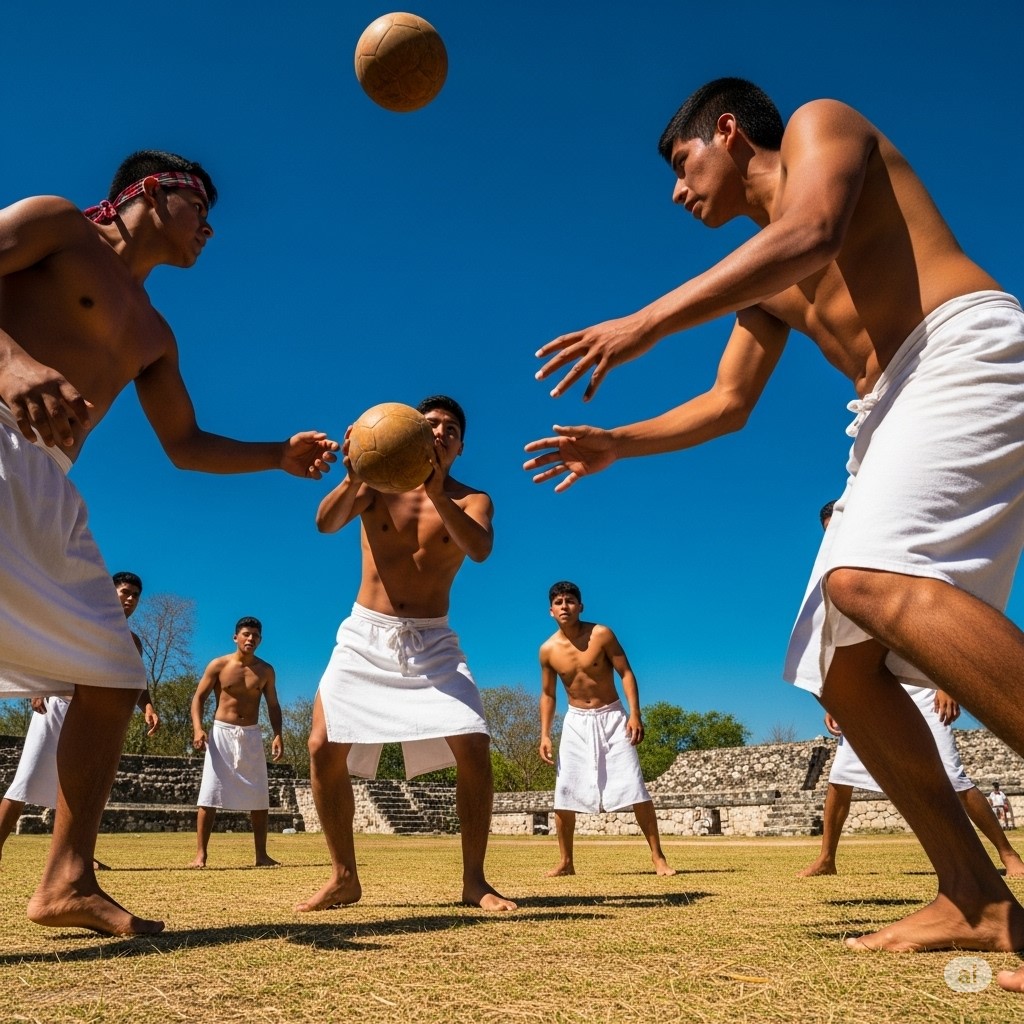
Ulama: A Deep Dive Into the Ancient Mesoamerican Ballgame
Ulama is a fascinating sport with ancient roots stretching back thousands of years. This historic ballgame, originating from Mesoamerica, still captures interest and inspires curiosity. Ulama reflects rich cultural heritage, athleticism, and community engagement. It stands as a symbol of continuity from past civilizations to the present. Although Ulama remains lesser-known globally, its story is both compelling and vital to understanding Indigenous American culture.
Origins and History of Ulama
Ulama descended from the ancient Mesoamerican ballgame known as “juego de pelota.” This game first emerged around 1400 BCE. The Olmecs, one of Mesoamerica’s earliest civilizations, were the likely inventors. Their influence spread across the region, bringing the game to other cultures such as the Maya and Aztecs.
Archaeologists have discovered over 1,500 ball courts throughout Mesoamerica. These courts range in size and structure, revealing how central the game was to society. For instance, the Great Ball Court of Chichen Itza is one of the largest and most famous. It stretches over 500 feet long and features acoustics so perfect that a whisper can travel from one end to the other.
The game held ceremonial, religious, and political significance. It symbolized cosmic battles, such as the mythological struggle between darkness and light. In some cases, players represented gods or warriors in sacred reenactments. Among the Maya, the game featured in creation myths. Their Popol Vuh texts describe twin heroes defeating underworld gods through the ballgame.
The Aztecs also embraced the sport, known as “ōllamaliztli” in Nahuatl. For them, it functioned as a form of tribute and social control. Nobles often sponsored games, and skilled players could gain high social standing. However, not all aspects were celebratory. Sometimes, ritual sacrifice followed matches, especially involving captives.
When Spanish colonizers arrived in the 16th century, they viewed the sport with suspicion. Missionaries condemned its religious elements and violent aspects. Consequently, the game was largely suppressed. Despite this, some Indigenous communities preserved the practice in secret, especially in western Mexico.
Ulama’s Modern-Day Revival
The 20th century witnessed a resurgence of Ulama. In particular, communities in Sinaloa, Mexico, began reviving the game. These efforts aimed to preserve Indigenous identity and culture. Local families passed down knowledge orally, ensuring continuity.
Today, cultural preservationists and Indigenous leaders have revitalized interest in Ulama. Museums and documentaries further promote the sport’s history and practice. Although the game no longer holds religious importance, it remains a proud tradition.
Modern versions focus on athleticism and heritage. Unlike its ancient form, ritual sacrifice no longer plays a role. Instead, Ulama now highlights endurance, teamwork, and skill. It serves as both a competitive sport and a cultural performance.
Global Popularity and Spread of Ulama
Ulama remains primarily concentrated in western Mexico. However, its appeal has spread to other regions. Cultural festivals often feature exhibition matches. Events in the United States, Guatemala, and Colombia showcase Ulama as a living tradition.
Academic institutions have also shown interest. Universities in the U.S. and Europe conduct research and host demonstrations. This scholarly focus raises awareness and fosters cross-cultural dialogue.
Furthermore, the sport has appeared in documentaries and television programs. These media portrayals introduce global audiences to Ulama. Social media platforms also contribute. Videos of matches and player interviews reach thousands, encouraging cultural appreciation.
Although not yet widely played outside Latin America, the foundation for global growth exists. Interest continues to rise, especially among those fascinated by Indigenous cultures. Additionally, international organizations have begun exploring Ulama as part of sports diplomacy.
Amateur Ulama: Youth and School Participation
Amateur Ulama plays a crucial role in sustaining the tradition. Communities in Sinaloa have implemented youth training programs. Children learn techniques, history, and values associated with the game.
Schools in the region include Ulama in extracurricular activities. Teachers partner with community elders to provide instruction. These collaborations blend formal education with cultural mentorship. Students gain physical fitness and cultural identity.
Tournaments often involve local schools and neighborhoods. These events foster pride and intergenerational bonding. Youth matches use lighter balls and modified rules to ensure safety.
Besides Mexico, other countries with large Indigenous populations have started to explore similar programs. For example, schools in Guatemala have piloted Ulama lessons. These initiatives help students connect with ancestral traditions.
Nonprofits and NGOs assist by donating equipment and training materials. They also host workshops for teachers. These efforts build sustainable amateur structures and community involvement.
Professional Leagues and Organized Play
Professional Ulama remains limited but steadily developing. In Sinaloa, semi-professional leagues operate seasonally. Teams often represent different towns or extended families. Matches draw large local crowds and community support.
The Mexican government occasionally funds Ulama programs as part of cultural promotion. These programs help organize leagues and tournaments. They also provide training for coaches and referees.
Efforts to create a national league have gained momentum. Some groups advocate for a professional association akin to those in mainstream sports. However, challenges remain. These include limited media coverage and lack of sponsorship.
Outside Mexico, professional leagues are rare. Nonetheless, interest exists. Organizers in the U.S. and Central America have hosted invitational tournaments. These events include skilled players from Mexico and local enthusiasts.
Some cultural exchange programs send Mexican players abroad. These athletes serve as ambassadors of Ulama. Their presence helps lay the groundwork for future leagues.
Collaborations with museums and universities also support league development. These institutions often provide venues, publicity, and funding. They help bridge the gap between cultural preservation and professional sports.
Political and Social Significance of Ulama
Ulama holds deep political and social meaning. For Indigenous communities, it symbolizes resistance and identity. Playing Ulama reclaims cultural space once suppressed by colonization.
In many regions, the game serves as a platform for activism. Community leaders use Ulama events to raise awareness about Indigenous rights. These gatherings highlight issues such as land ownership, language preservation, and education.
Ulama also fosters unity. It brings together diverse age groups, social classes, and genders. In some areas, women now participate actively. Their inclusion reflects broader movements toward gender equality.
Moreover, Ulama encourages youth engagement. It offers an alternative to negative influences such as drugs or crime. Parents and elders praise the discipline and values it instills.
Government agencies have recognized Ulama’s cultural value. Some include it in heritage programs or tourism campaigns. These endorsements enhance the sport’s legitimacy and public appeal.
On a broader level, Ulama contributes to global conversations about decolonization. It challenges stereotypes and promotes Indigenous voices. By reviving the sport, communities assert their right to cultural expression.
Rules and Gameplay
Ulama features several variations. However, most modern games follow similar rules. The game takes place on a long, narrow court called a “tastei.”
Players divide into two teams. Each side tries to keep a heavy rubber ball in play using only their hips. Hands, feet, and heads are not allowed.
Matches can last several hours. Points are scored when the opposing team fails to return the ball. In some versions, hitting boundary lines also earns points.
The ball, known as a “ullin,” weighs between 3 and 9 pounds. It requires strength and technique to control. Players wear leather hip pads for protection.
Teams typically consist of three to five players. Substitutions are limited. Stamina plays a crucial role in high-level competition.
Matches start with a ceremonial toss. Referees monitor play and enforce rules. Some games include time limits; others continue until a team reaches a set score.
Ulama emphasizes fair play and respect. Trash-talking and aggressive behavior are discouraged. The game rewards focus, strategy, and coordination.
Different regions may adjust rules slightly. For instance, coastal communities prefer faster-paced styles. Mountain towns might emphasize endurance and positioning.
Regardless of variation, core principles remain intact. Ulama celebrates heritage, physical skill, and communal values.
Conclusion
Ulama represents more than just a sport. It embodies a living connection to ancient Mesoamerican civilization. Its history spans centuries, from sacred rituals to modern-day revival. Although not yet widely known globally, Ulama continues to grow in popularity.
Amateur programs, youth participation, and professional leagues contribute to its resurgence. The sport serves both cultural and political purposes. It empowers Indigenous communities and fosters pride.
As interest expands, Ulama may soon find broader audiences worldwide. For now, it remains a shining example of resilience, tradition, and passion. This ancient conttinues to inspire those who play it and those who seek to understand it.