
Ultralight Aviation: A Thrilling Sport Taking Off Worldwide
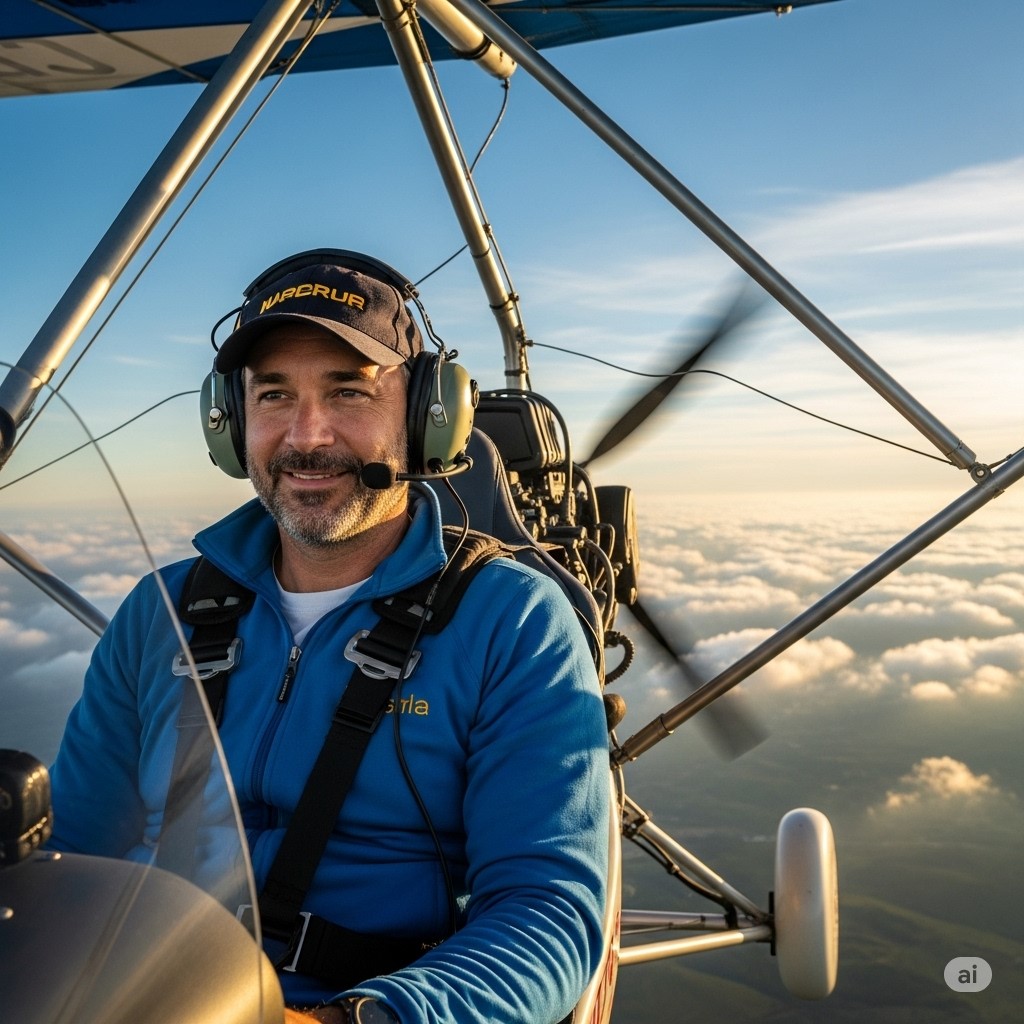
Ultralight Aviation is an exhilarating sport that combines adventure, freedom, and aviation. Participants fly lightweight aircrafts in open skies, enjoying stunning landscapes from above. Enthusiasts seek thrills and a sense of peace while flying. As a recreational sport, Ultralight Aviation continues to grow in popularity. It draws pilots, hobbyists, and students across the globe. The key phrase “Ultralight Aviation” represents more than a sport—it embodies a lifestyle of exploration.
The Origins of Ultralight Aviation
The sport dates back to the late 1970s. It emerged after aviation enthusiasts began modifying hang gliders with engines. These simple, homemade aircraft gave people access to personal flight at low costs. The idea gained momentum in the United States and Europe. With growing interest, manufacturers began producing kits and ready-to-fly models.
Innovators like John Moody helped propel the sport into public view. In 1975, Moody added a small engine to a foot-launched glider. This invention inspired others to replicate and innovate. His flights at airshows amazed spectators and drew attention to the sport.
By the 1980s, ultralight flying became a recognized form of recreational aviation. Governments introduced regulations to define and guide the activity. The Federal Aviation Administration (FAA) in the United States created Part 103 rules. These rules continue to govern ultralight aircraft use in the country.
Global Popularity and Reach
Today, Ultralight Aviation thrives around the world. Countries like the United States, Australia, South Africa, Brazil, and India see active communities. Europe also plays a key role in shaping the sport’s future. France, Germany, and the United Kingdom boast large numbers of registered ultralight aircraft.
Tourism plays a major role in spreading the sport. Many people try ultralight flights during vacation. Tropical locations such as Thailand and Bali offer tandem flights for tourists. These experiences often spark deeper interest in flying.
In South Africa, ultralight pilots explore game reserves and coastlines. Australia offers breathtaking routes over deserts and coral reefs. Each region brings unique opportunities for exploration. The sport appeals to those seeking scenic, low-altitude flying.
Events like the EAA AirVenture Oshkosh in the U.S. gather thousands of enthusiasts. This event features flight demonstrations, aircraft exhibitions, and networking opportunities. Such gatherings help strengthen the community and introduce newcomers to the sport.
Amateur Involvement and Youth Participation
Amateur pilots form the backbone of Ultralight Aviation. Many people enter the sport through flying clubs and schools. These institutions provide training, mentorship, and access to aircraft.
Flight training usually starts with ground school. Students learn about aerodynamics, meteorology, and regulations. After that, practical training follows. Instructors teach takeoffs, landings, emergency procedures, and navigation.
In some countries, high schools and universities offer aviation programs. For example, India’s National Cadet Corps (NCC) introduces students to ultralight flying. These programs foster interest among youth and open doors to aviation careers.
Community clubs also support young pilots. They organize workshops, seminars, and flight camps. Youth members gain hands-on experience and meet mentors. The sense of camaraderie builds confidence and commitment.
Parents often encourage their children to pursue aviation. They view it as a valuable learning experience. Ultralight flying helps students develop focus, discipline, and responsibility. These skills translate to other areas of life as well.
Professional Leagues and Organizations
While Ultralight Aviation remains mostly recreational, some professional structures exist. Organizations manage competitions, records, and certifications. They promote safety, innovation, and international collaboration.
The Fédération Aéronautique Internationale (FAI) oversees global air sports. It governs records and organizes world championships. Ultralight categories include precision flying, navigation, and endurance. Pilots from different nations compete and showcase their skills.
National associations play essential roles. The U.S. Ultralight Association (USUA) supports American pilots. It provides education, advocacy, and safety programs. Australia’s Recreational Aviation Australia (RAAus) serves a similar purpose. In the UK, the British Microlight Aircraft Association (BMAA) regulates and promotes the sport.
Competitive events challenge pilots in diverse ways. Tasks may involve landing accuracy, fuel management, or route planning. These contests test skill, planning, and execution. Winners gain recognition and inspire others to join the sport.
Sponsorship is slowly entering the scene. Some pilots receive backing from gear manufacturers or local businesses. This support allows them to train more and participate in international events.
Political and Social Significance
Ultralight Aviation holds unique political and social value. It supports personal freedom, innovation, and community building. The sport encourages self-reliance and technical understanding.
Politically, it often sits at the intersection of regulation and individual liberty. Pilots advocate for reasonable rules that preserve safety and access. In many countries, laws balance oversight with freedom. This dialogue strengthens democratic participation.
Socially, the sport creates strong communities. Flying clubs connect people from various backgrounds. Shared passion bridges age, profession, and culture. Pilots exchange knowledge and build lasting friendships.
Educational outreach programs bring aviation to underserved areas. They inspire dreams and provide opportunities. Youth from rural regions learn skills that might otherwise remain out of reach. Aviation becomes a tool for social mobility.
Moreover, ultralight flying supports mental health. Many pilots describe it as a form of meditation. The sky offers peace and clarity. Stress levels drop, and a sense of purpose grows.
Ultralight Aviation also contributes to local economies. Airfields generate jobs and tourism. Businesses like maintenance shops and training schools benefit from pilot activity. These effects ripple across communities.
Rules and Regulations in Ultralight Aviation
Each country sets its own rules for Ultralight Aviation. However, many regulations share common elements. Safety remains the top priority across the board.
In the United States, Part 103 of the FAA regulations governs the sport. These rules specify aircraft weight, speed, and fuel limits. For instance, an ultralight must weigh less than 254 pounds empty. It must fly at speeds below 55 knots.
Pilots do not need a license under Part 103. However, training is strongly recommended. Flying over populated areas or at night is prohibited. Also, aircraft must carry only one person.
Other countries require pilot licenses and aircraft registration. In Europe, the European Union Aviation Safety Agency (EASA) oversees regulation. Australia’s RAAus provides certifications and conducts inspections.
Pilots must understand weather conditions and airspace restrictions. They must also perform pre-flight checks. Navigation, communication, and emergency procedures are vital.
Safety gear includes helmets, radios, and GPS devices. Aircraft must remain in good condition. Routine inspections and maintenance ensure reliability.
Competitions follow additional rules. Judges evaluate performance based on accuracy, time, and technique. Rules prevent reckless behavior and encourage skillful flying.
The Future of Ultralight Aviation
Technological advances will shape the sport’s future. Electric propulsion and lightweight materials are becoming more common. These changes make flying cleaner, quieter, and more efficient.
Simulation software helps train new pilots. Virtual reality offers realistic flight experiences. These tools lower entry barriers and improve safety.
Interest in sustainable aviation is rising. Solar-powered ultralights are being tested. These innovations align with global environmental goals.
Youth engagement remains crucial. Schools and clubs will continue to inspire the next generation. Outreach programs should expand to more regions.
International cooperation can strengthen the sport. Shared standards and global events promote unity. The community must stay connected and proactive.
Conclusion
Ultralight Aviation represents more than a hobby. It symbolizes human curiosity, ambition, and freedom. From humble beginnings to global recognition, the sport has grown steadily. Pilots of all ages and backgrounds find joy in the skies.
Amateur and professional communities keep the spirit alive. Education and innovation ensure a bright future. As Ultralight Aviation spreads, its impact deepens socially, politically, and economically.
Whether soaring over mountains or coasting above beaches, the experience remains unforgettable. For many, it is not just about flying. It is about connecting—with nature, with others, and with oneself.
With continued support and responsible growth, Ultralight Aviation will continue to thrive for generations to come.