
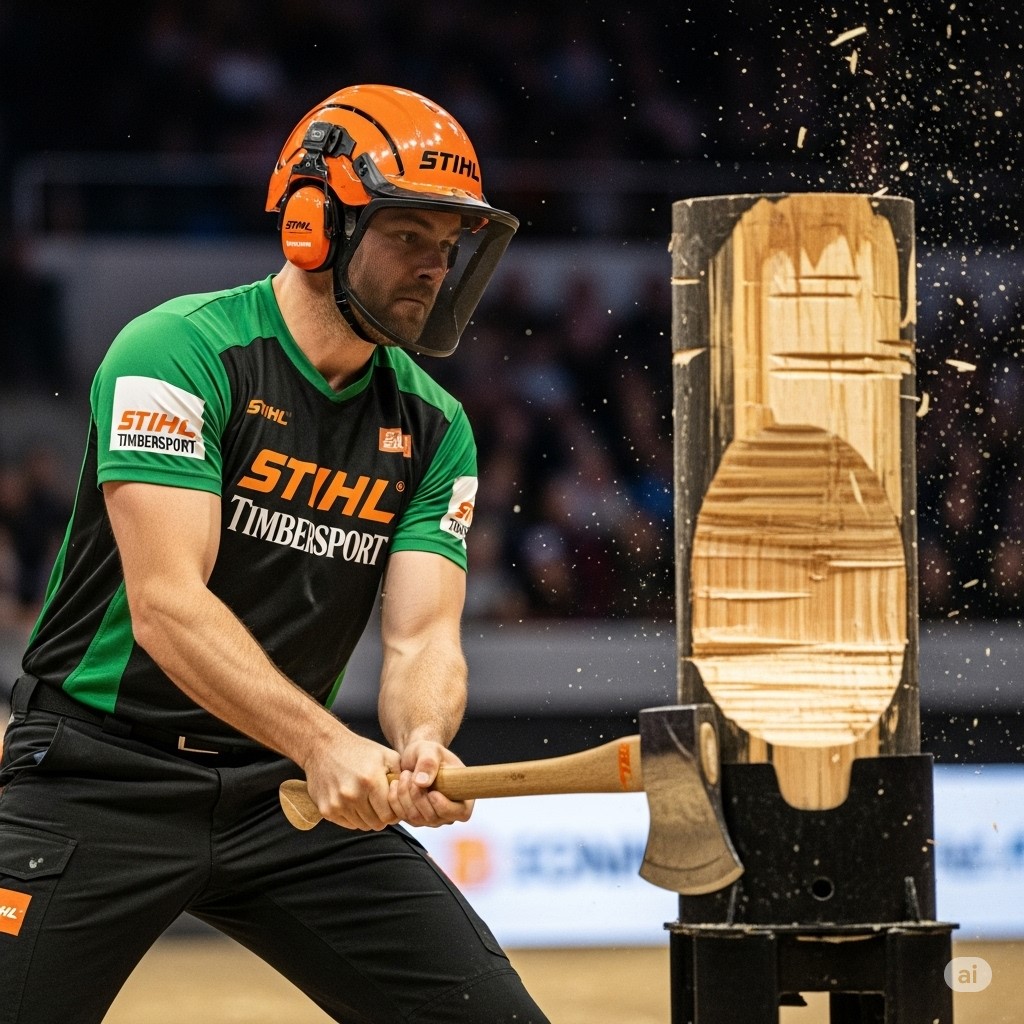
The Fascinating World of Underhand Chopping: Origins, Popularity, and Impact
Underhand Chopping is a sport that combines strength, technique, and heritage. It’s a discipline rooted in logging traditions and elevated to global competition. Known for its intensity and spectacular physical feats, Underhand Chopping has captivated fans across continents. In this article, we’ll explore the history, rules, global reach, youth involvement, professional leagues, and social impact of this thrilling sport. Whether you are a fan, athlete, or curious reader, this deep dive into Underhand Chopping will reveal its true essence.
Origins and History of Underhand Chopping
The sport of Underhand Chopping traces its origins to the late 19th century. Loggers in Australia and New Zealand began hosting informal competitions to determine the fastest woodcutter. These events were often the highlight of community gatherings and logging festivals.
Over time, the contests grew in popularity. By the early 20th century, structured events and formal rules began to emerge. Tasmania played a critical role in shaping the sport. The town of Latrobe, Tasmania, hosted some of the earliest professional competitions.
In North America, particularly in Canada and the Pacific Northwest, similar contests developed. Immigrant communities brought their own chopping traditions. Over the decades, these traditions merged into a more standardized version of the sport.
Chopping techniques evolved. Athletes refined their stances, timing, and axe designs. Today, these techniques are passed down through generations and taught in specialized training programs.
Rules and Structure of Underhand Chopping
In Underhand Chopping, competitors stand on top of a horizontally placed log. They swing axes between their feet to chop through the log as fast as possible. Precision and timing are essential to avoid injury and maximize efficiency.
A regulation log typically measures 12 to 13 inches in diameter. Judges inspect logs for consistency. Athletes must use competition-approved axes. These tools are razor-sharp and custom-built for speed and control.
Competitors must make initial cuts in the front half of the log. Then they rotate and repeat the cuts on the back side. The log must be completely severed to complete the event. Time starts at the first axe swing and ends once the log splits.
Fouls occur if an athlete steps off the log or fails to sever the log completely. Safety gear, including protective boots and eyewear, is mandatory. Events often include spotters to monitor compliance with safety rules.
Global Popularity and Where It’s Played
Underhand Chopping enjoys a strong following in several countries. Australia and New Zealand remain the heartlands of the sport. Major competitions take place during agricultural fairs and regional shows.
In the United States, events are held at lumberjack festivals. States like Oregon, Washington, and Wisconsin host some of the most competitive events. Canada also supports a vibrant chopping scene, particularly in British Columbia and Quebec.
Europe has embraced the sport as well. Germany, Austria, and the UK have established local clubs and host international competitions. Interest continues to grow as more people discover the sport through media coverage and social media.
Asia is beginning to show interest. Japan and South Korea have introduced Underhand Chopping as part of broader timber sports competitions. Promoters are working to raise awareness and develop training programs.
The globalization of the sport has led to increased standardization. International federations have unified rules, creating a level playing field for athletes worldwide.
Amateur Underhand Chopping and Youth Involvement
At the grassroots level, Underhand Chopping is thriving. Community clubs offer training for beginners. Many schools in Australia and New Zealand include woodchopping in physical education programs.
Youth camps and clinics are becoming more common. These initiatives aim to teach proper technique and instill respect for safety protocols. Young athletes train under experienced choppers who mentor and guide them.
High school and college-level competitions are also emerging. Institutions recognize the value of Underhand Chopping in developing discipline and physical fitness. Events attract local media coverage and community support.
Amateur circuits provide stepping stones to professional competition. Talented youth often move up through regional and national rankings. These journeys inspire others and help sustain the sport’s future.
Clubs often collaborate with forestry organizations. These partnerships provide resources and access to safe training environments. They also help educate youth about sustainable forestry practices.
Professional Leagues and Competitions
The professional realm of Underhand Chopping is highly competitive. STIHL TIMBERSPORTS Series is the most recognized league globally. It features top athletes from around the world and hosts televised events.
Australia has the Australian Axemen’s Association. This body organizes national rankings and oversees major events. It also sets standards for training, equipment, and officiating.
In the United States, the Lumberjack World Championships in Hayward, Wisconsin is a prestigious event. Athletes from multiple countries compete in various chopping and sawing disciplines, including Underhand Chopping.
Germany leads the European scene. The German Timber Sports Federation hosts international events and promotes youth development. The UK and Austria also have growing leagues and strong local competition.
Prize money, sponsorships, and media exposure have professionalized the sport. Athletes maintain rigorous training regimens and travel extensively for competitions. Equipment manufacturers play a key role by sponsoring events and athletes.
Global rankings track athlete performance across seasons. These rankings contribute to qualification for major international tournaments. Fans follow their favorite athletes online and attend events in person.
Social and Political Significance
Underhand Chopping is more than a sport. It symbolizes heritage, resilience, and community identity. Many rural areas see the sport as a celebration of their logging history.
Events bring communities together. They foster a sense of pride and continuity. Generations participate together, creating lasting bonds and shared traditions.
Politically, the sport supports sustainable forestry. Competitions often feature wood sourced from managed forests. Organizers promote environmental education and conservation efforts.
The sport also promotes rural economies. Events attract tourism and create seasonal employment. Local vendors, hotels, and transportation services benefit from increased traffic during major competitions.
In countries like Australia, New Zealand, and Canada, the sport reinforces national pride. Government agencies and cultural institutions support events as part of preserving national heritage.
Women and minority participation are increasing. Initiatives aim to diversify the athlete base and make the sport more inclusive. This reflects broader social trends and enhances the sport’s appeal.
Training and Equipment
Training for Underhand Chopping is intense. Athletes focus on strength, accuracy, and endurance. Many incorporate weightlifting, cardio, and mobility exercises into their routines.
Technique drills are crucial. Choppers practice foot positioning, swing angles, and pacing. Video analysis helps identify areas for improvement.
Mental preparation is also important. Athletes use visualization and mindfulness to stay focused during events. Confidence and composure can be the difference between victory and defeat.
Axes are custom-built. Blade angles and weights are tailored to individual preferences. Athletes often carry multiple axes to adapt to different log types and competition conditions.
Proper maintenance ensures peak performance. Blades must be sharpened regularly. Handles are checked for cracks and wear.
The Future of Underhand Chopping
The future looks bright for Underhand Chopping. Digital platforms help expand its reach. Live-streamed events and highlight reels attract new audiences.
Sponsorships and endorsements are on the rise. These bring in funding and elevate the sport’s profile. Athletes gain broader recognition and more opportunities to compete internationally.
Training programs are evolving. Institutions are investing in sports science and biomechanics to improve athlete performance. Safer equipment and better facilities reduce injury risks.
Youth engagement is critical. Continued investment in school programs and community clubs ensures a steady pipeline of talent. These efforts preserve the sport’s traditions while pushing it forward.
Cross-promotion with related sports like lumberjack competitions and strongman events could drive further interest. Collaborations with influencers and media personalities may bring the sport into the mainstream.
Environmental advocacy is another growth area. The sport’s connection to forestry positions it well to lead discussions on sustainability. Events could incorporate tree-planting drives and eco-education components.
Conclusion
Underhand Chopping is a dynamic sport with deep historical roots and a vibrant future. Its blend of physical prowess, tradition, and community makes it truly unique. From rural fairs to global arenas, it continues to inspire and unite people.
Its expansion into new regions, focus on youth, and growing professional circuits signal ongoing growth. Politically and socially, the sport serves as a bridge between past and future, nature and humanity.
As more people discover the excitement and meaning behind Underhand Chopping, its global stature will continue to rise. This sport isn’t just about chopping wood. It’s about connection, heritage, and the relentless pursuit of excellence.