
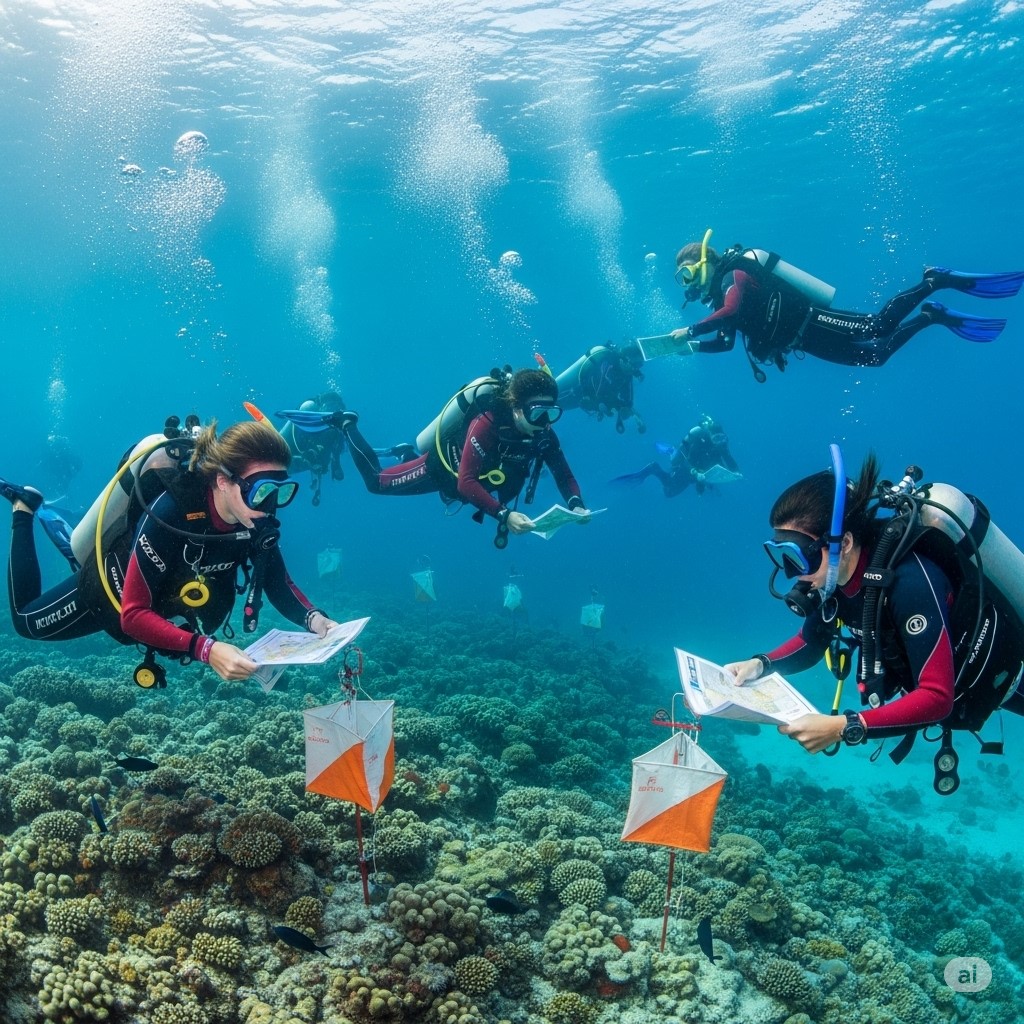
Underwater Orienteering: Exploring the Depths of a Unique Sport
Underwater Orienteering is an adventurous aquatic sport that combines navigation, diving, and competition. This sport challenges participants to use underwater compasses and maps to navigate courses set beneath the surface. It requires not only physical stamina but also sharp mental focus. Although not as mainstream as other water sports, it has a dedicated following and growing global interest. The key phrase, Underwater Orienteering, captures a world that blends exploration with discipline. This blog will dive into the sport’s origin, global reach, amateur and professional scenes, societal impact, and rules.
The Origins and History of Underwater Orienteering
The roots of Underwater Orienteering trace back to post-World War II Europe. It emerged during the 1950s in Eastern Bloc countries, particularly the Soviet Union. Military divers began using orienteering as a training method. Over time, this evolved into a competitive sport. The first formal competitions were held in the late 1950s. By the 1960s, Underwater Orienteering had official rules and international participation.
In 1967, the Confédération Mondiale des Activités Subaquatiques (CMAS) recognized the sport. CMAS helped establish standard rules and organized global competitions. This recognition marked a pivotal moment. It transformed a niche training activity into a formal sport with structure and prestige.
Throughout the 1970s and 1980s, the sport expanded across Europe. Countries like Hungary, Bulgaria, and Germany joined the movement. National federations formed and began hosting local competitions. Technological advances in diving equipment improved the safety and performance of athletes. These changes contributed to the sport’s legitimacy and appeal.
Global Popularity and Regional Activity
While still relatively obscure compared to mainstream sports, Underwater Orienteering has a committed global community. Eastern Europe remains the epicenter of the sport. Russia, Ukraine, and Belarus dominate in terms of performance and participation. These nations have state-supported programs that nurture young talent.
Western Europe has seen a steady rise in interest. Germany, France, and Italy have active clubs and regularly host international competitions. Asia has also embraced the sport, particularly in China. Chinese athletes have made notable strides in recent years.
In South America, countries like Brazil and Argentina are developing Underwater Orienteering programs. These initiatives are supported by local diving clubs and national federations. In North America, the sport remains in its infancy. However, there are growing efforts to introduce it through scuba schools and adventure sports communities.
Despite its niche status, global competitions draw teams from over 20 countries. The World Championships and European Championships are the premier events. Held every two years, these tournaments attract elite athletes and showcase the best in the sport.
Amateur Participation: Youth and Schools
Amateur Underwater Orienteering provides a foundation for future professionals. It is often introduced through diving clubs and youth programs. In Eastern Europe, state-sponsored programs identify and train young talent early. Schools partner with local clubs to offer training as part of physical education.
In countries like Hungary and Russia, youth leagues are well-structured. Competitions are held at regional and national levels. These events help young divers develop skills in navigation and underwater endurance. Training includes map reading, compass use, and free diving techniques.
Some schools in Germany and Italy have adopted Underwater Orienteering as an extracurricular activity. These programs emphasize both athletic and cognitive development. They promote teamwork, problem-solving, and environmental awareness. Dive camps during school holidays offer additional training and certification.
Community centers and aquatic facilities also play a role. They host weekend workshops and beginner courses. These sessions introduce the sport in a fun and accessible manner. Parents are increasingly supportive, viewing it as a safe and educational pursuit.
In regions without formal programs, amateur participation is driven by independent diving instructors. Social media and online tutorials help spread awareness. Digital platforms allow young enthusiasts to share experiences and build communities.
Professional Leagues and Organizations
The professional landscape of Underwater Orienteering is guided by national and international federations. CMAS remains the central governing body. It oversees the World Championships and sets global standards for competition.
Russia boasts the most advanced professional league. Their national team trains year-round and receives government support. Top athletes often begin training in their early teens. The Russian league hosts several competitions annually. These events include individual and team formats.
In Germany, the Bundesverband für Unterwasser-Orienteering organizes national leagues. The league maintains strict qualification standards. It collaborates with universities and military diving schools to identify talent.
France and Italy have semi-professional circuits. Athletes in these countries often balance careers and training. Sponsorships from diving equipment manufacturers help support professional endeavors.
China’s growing interest has led to the establishment of a formal league. The Chinese Underwater Sports Association promotes the sport through media and academic partnerships. Competitions are broadcast on niche sports channels.
At the continental level, CMAS Europe and CMAS Asia coordinate regional tournaments. These events prepare athletes for the World Championships. They also encourage cross-border collaboration and knowledge sharing.
Social and Political Significance
Underwater Orienteering holds unique social and political value. In many Eastern European countries, the sport fosters national pride. Success in international competitions reflects the strength of national training programs.
The sport promotes environmental stewardship. Divers become acutely aware of underwater ecosystems. Many clubs engage in conservation activities. Clean-up dives and marine education are often part of the training curriculum.
Underwater Orienteering also bridges cultural divides. International competitions bring together athletes from diverse backgrounds. Shared goals foster mutual respect and global camaraderie.
Politically, the sport has been used to enhance international relations. Joint training sessions and tournaments promote diplomacy. For example, post-Cold War collaborations helped normalize relations between former adversaries.
On a community level, the sport empowers youth. It instills discipline, teamwork, and a sense of achievement. Youth who participate often develop lifelong interests in marine science and conservation.
Inclusivity is another hallmark. The sport welcomes both genders and accommodates a range of physical abilities. Adaptive diving techniques allow broader participation. This inclusiveness contributes to the sport’s positive societal impact.
Rules and Competition Format
Underwater Orienteering has specific rules that govern competition. Events are typically held in open water such as lakes or calm seas. Each competitor must complete a course using only an underwater compass and map.
Courses are marked by submerged buoys or targets. Participants must navigate to each point in a set sequence. Accuracy is crucial. Missing a marker results in disqualification or time penalties.
There are several event formats. The most common are:
- M-Course: Combines navigation and speed. Divers must visit multiple checkpoints in order.
- 5-Point Course: Requires strategic route planning. Competitors choose the order of checkpoints.
- SC Course: Involves surface and submerged navigation. Adds complexity with variable depths.
Each diver carries a buoy for visibility and safety. Time limits are enforced to ensure fairness. Judges monitor from the surface and underwater. Cameras and sonar devices assist in tracking progress.
Competitors must follow strict safety protocols. Equipment checks and dive briefings are mandatory. Medical staff and rescue divers are always present.
Scoring is based on time and accuracy. Penalties are added for errors such as deviating from course or exceeding time limits. The lowest total time wins.
Team events add another layer. Coordination and communication become key. Teams often train together extensively to build synergy.
Training for competitions involves endurance drills, compass use, and breath control. Mental preparation is equally important. Divers must remain calm under pressure.
Conclusion: A Sport Worth Discovering
Underwater Orienteering offers a rare combination of adventure, skill, and strategy. Its roots in military training have evolved into a respected sport. With a global community and structured amateur and professional scenes, it continues to grow.
The sport teaches valuable life skills and promotes environmental responsibility. From youth leagues to elite competitions, it inspires dedication and passion. Its inclusive nature makes it accessible and rewarding.
Whether you’re a diving enthusiast or new to aquatic sports, Underwater Orienteering is worth exploring. It opens a gateway to underwater worlds while challenging the body and mind.
As it gains recognition, the sport stands poised for a bright future. With continued support and awareness, Underwater Orienteering could one day become a household name.