
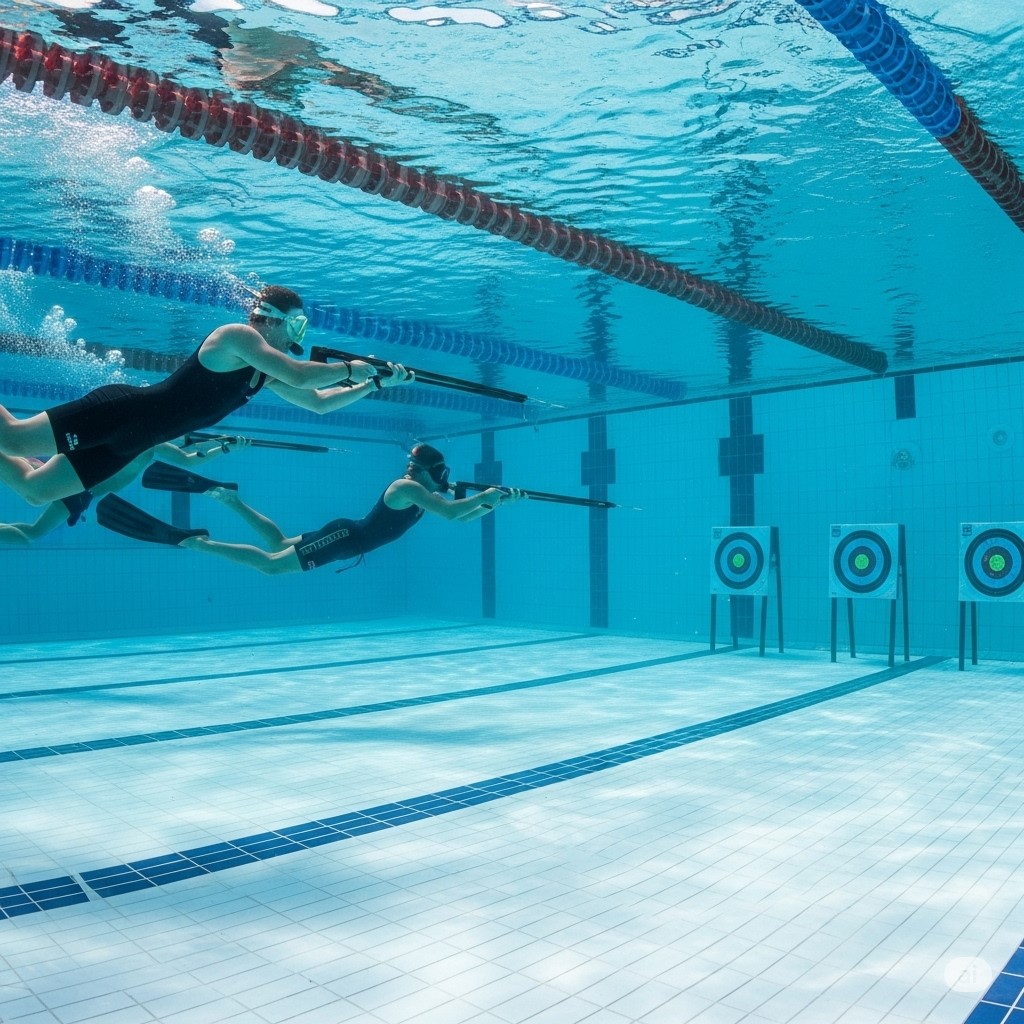
The Unique World of Underwater Target Shooting: A Deep Dive into an Aquatic Precision Sport
Underwater Target Shooting is one of the most unique and niche sports in the world today. This aquatic discipline combines the calm precision of marksmanship with the controlled breath and movement of freediving. Though lesser-known than mainstream sports, Underwater Target Shooting has a rich history, global participation, and a fascinating structure that merits attention. From its origins in military and recreational diving to its current status in international leagues, this sport is steadily gaining ground. In this post, we explore every aspect of Underwater Target Shooting, from its history to its role in society.
Origins and History of Underwater Target Shooting
The sport traces its origins back to the mid-20th century in Europe. Spearfishing and military diving exercises inspired the earliest forms of this aquatic competition. Divers often practiced precision shooting underwater to simulate tactical scenarios. These exercises gradually evolved into recreational competitions.
By the 1980s, organized events began appearing across France and Italy. These competitions featured formalized rules, targets, and scoring systems. The first international competitions occurred in the 1990s, setting the foundation for future growth. The sport quickly gained structure when the CMAS (World Underwater Federation) recognized and supported it.
CMAS played a vital role in promoting underwater sports. Underwater Target Shooting was added to their roster, giving it credibility and resources. Standardized rules followed, including equipment specifications and competition formats. As a result, countries outside Europe began forming teams and holding national championships.
Today, the sport maintains close ties with diving communities. Many participants transition from spearfishing or scuba diving. It provides a competitive outlet for their underwater skills. Additionally, the sport encourages breath control, physical fitness, and focus.
Global Popularity and Geographic Spread
Though still considered a niche sport, Underwater Target Shooting enjoys popularity in several countries. France, Italy, and Spain are the leading nations in Europe. Each has an established federation and a dedicated pool of athletes.
In South America, Argentina and Brazil have embraced the sport. Local leagues operate in major cities, and athletes participate in international tournaments. The sport also enjoys moderate interest in Australia and Russia. These regions host regular competitions and youth development programs.
In Asia, interest has begun to grow. Countries like South Korea and Japan have explored establishing national federations. Diving clubs often introduce Underwater Target Shooting as a specialized training activity.
International competitions occur yearly. Events include the CMAS World Championships and regional meets. These tournaments feature athletes from over 15 nations. As a result, the sport’s visibility continues to increase.
Social media and digital platforms have helped popularize Underwater Target Shooting. Videos and tutorials circulate online, attracting new enthusiasts. The sport also appeals to divers looking for a new challenge.
Though growth has been gradual, its consistent development shows promise. Its community is tight-knit and passionate. The sport’s unique combination of skills makes it a standout among aquatic activities.
Amateur Participation and Youth Involvement
Amateur participation forms the backbone of Underwater Target Shooting. Most countries promote the sport through diving clubs and local sports centers. These institutions provide access to equipment, coaching, and pool space.
In Europe, schools and youth programs introduce children to the sport. Initiatives in France and Italy integrate it into physical education. These programs emphasize safety, swimming skills, and precision.
Beginner-level competitions allow youth to build experience. Categories are age-based and focus on skill development. This fosters a sense of progression and motivation.
In South America, several clubs run youth academies. These programs offer structured training and mentorship. Coaches often come from former or current national teams.
Australia and Russia have taken steps to integrate the sport into their diving education systems. This approach increases exposure and accessibility. Even small coastal communities have embraced the sport through community centers.
Online resources have enhanced amateur engagement. Many coaches provide virtual tutorials and forums for discussion. This enables learning even in regions without local clubs.
Youth participation ensures the sport’s long-term sustainability. Young athletes bring energy and innovation. They also help break down stereotypes about underwater sports being limited to adults or professionals.
Professional Leagues and International Structure
Professional leagues in Underwater Target Shooting exist primarily in Europe and South America. The strongest infrastructure lies in France and Italy. National federations govern the sport and organize leagues across various levels.
Top-level athletes compete in elite divisions. These competitions occur in Olympic-standard pools and follow strict regulations. Matches attract spectators and media coverage within the diving community.
Each year, the CMAS World Cup gathers the world’s best. Athletes represent their countries and compete in several events. Categories include men’s, women’s, and mixed competitions.
The league format is seasonal. Competitions span several months, culminating in national and international finals. Scoring, rankings, and team standings are tracked meticulously.
Argentina and Brazil maintain competitive leagues. These nations send delegations to CMAS tournaments. They also host regional championships, attracting talent from neighboring countries.
While North America has yet to establish formal leagues, interest exists. Several diving centers in the United States have piloted competitive events. These serve as testing grounds for future expansion.
Athletes in professional leagues often train full-time. They follow structured regimens focusing on breath-hold training, swimming efficiency, and shooting technique. Sponsorship and national sports funding support elite athletes in some countries.
Political and Social Significance
Underwater Target Shooting holds social value beyond competition. It fosters discipline, focus, and environmental respect. Many clubs emphasize ocean conservation and water safety as part of their training.
The sport also encourages inclusivity. Both men and women compete on equal footing. Mixed-gender events are common. This helps promote gender equality in sports.
Politically, the sport plays a minor but symbolic role. In some nations, it supports diplomatic exchanges through friendly tournaments. These events build international goodwill.
Local governments sometimes partner with clubs for public health campaigns. These initiatives promote swimming and aquatic safety through the sport. Schools and youth programs often benefit from such collaborations.
In regions with limited sports infrastructure, Underwater Target Shooting offers an affordable alternative. Pool-based training requires minimal equipment. As a result, it becomes accessible to a wider audience.
Culturally, the sport connects communities with water. Coastal and island nations often integrate it into maritime traditions. This deepens respect for underwater environments and heritage.
Social media has amplified these positive impacts. Videos highlighting training, competitions, and personal stories reach global audiences. They inspire others to try the sport or support its development.
Rules and Structure of the Sport
Underwater Target Shooting involves precision and timing. Athletes must shoot at targets while submerged and holding their breath. Competitions occur in swimming pools to ensure safety and uniformity.
Each athlete uses a speargun fitted with elastic bands. Air-powered guns are not allowed. The speargun must meet CMAS specifications for size and power.
Targets are placed at the end of a 5-meter underwater range. They consist of concentric rings, similar to archery targets. Points are awarded based on where the spear lands.
Events are timed. Athletes must complete a series of shots within a limited period. They dive, aim, shoot, and surface for air before repeating.
There are three primary events:
- Precision: Athletes aim for accuracy across several shots.
- Biathlon: Combines precision shooting with underwater swimming.
- Relay: Teams of divers take turns shooting at targets.
Scoring is cumulative. Judges assess target hits and timing. Foul shots or missed targets result in penalties.
Athletes wear minimal gear—usually a wetsuit, mask, fins, and weight belt. This setup maximizes mobility and buoyancy control. Safety divers monitor all participants.
Training focuses on breath-hold capacity and calmness under pressure. Athletes practice controlled breathing and relaxation techniques.
Strict safety protocols are followed. Pools are supervised, and emergency procedures are in place. Competitors must undergo medical checks before tournaments.
Conclusion
Underwater Target Shooting represents a fascinating blend of discipline, skill, and aquatic exploration. Its roots in military diving evolved into a refined sport. Today, it thrives in countries across Europe, South America, and beyond.
Though not mainstream, the sport builds communities and promotes physical fitness. Youth programs and amateur clubs ensure its growth. International leagues and tournaments bring global recognition.
Socially and politically, the sport bridges cultures and promotes inclusivity. Its environmental messaging resonates with modern values. Training emphasizes control, focus, and respect for water.
Clear rules and structure make it accessible to newcomers. With rising interest and support, Underwater Target Shooting is poised for continued growth. Whether you’re a diver, athlete, or spectator, this unique sport offers a new way to experience competition and connection beneath the surface.