Uneven Bars: A Deep Dive Into the History, Rules, and Global Impact
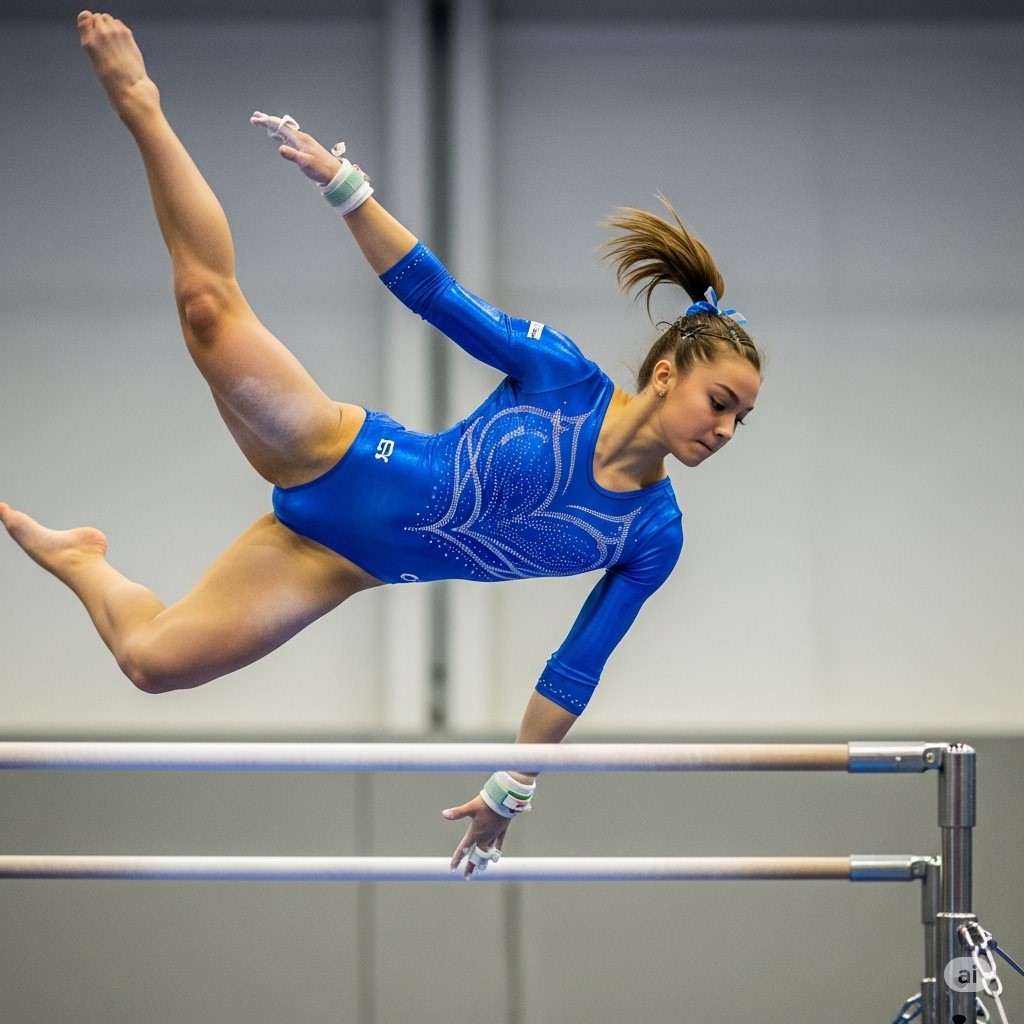
The sport of Uneven Bars showcases grace, strength, and precision. It captivates audiences during every major gymnastics competition. Gymnasts execute daring routines with elegance and control. They swing, leap, and twist between two bars set at different heights. Among women’s artistic gymnastics events, Uneven Bars stand out for their complexity and beauty. This blog explores the origin, history, rules, and global significance of this incredible discipline.
Origins and Early History
Uneven Bars originated in Europe in the early 20th century. Gymnastics had been practiced for centuries, but it evolved rapidly during this era. Early gymnastics events were heavily influenced by men’s training regimens. The concept of separate women’s apparatuses emerged slowly. Initially, female gymnasts performed on a single bar or uneven parallel bars.
In the 1930s, Germany and Czechoslovakia led the development of the Uneven Bars. Coaches modified parallel bars to suit female athletes. They raised one bar and kept the other lower to allow swinging transitions. The event first appeared at the World Championships in 1934. It became an Olympic event at the 1952 Helsinki Games.
Over time, the sport matured. Routines grew more complex. Gymnasts introduced flight elements and intricate transitions. Equipment improved to accommodate new skills and minimize injuries. Wooden bars were replaced with fiberglass and synthetic coatings for better grip and durability.
Evolution Through the Decades
During the 1960s and 1970s, gymnasts pushed technical boundaries. Soviet and Eastern European athletes dominated the sport. Legendary figures like Ludmilla Tourischeva and Natalia Kuchinskaya raised the bar. Their routines included dynamic swings, kips, and turns.
The 1980s brought a revolution. Athletes like Nadia Comaneci and Maxi Gnauck popularized high-flying release moves. Uneven Bars became more exciting and athletic. Judges rewarded originality, risk, and execution.
In the 1990s and 2000s, complexity increased again. Gymnasts performed daring combinations with seamless flow. The Code of Points emphasized both artistry and difficulty. Names like Svetlana Khorkina and Nastia Liukin became synonymous with elegance on the bars.
Uneven Bars Around the World
Uneven Bars are practiced worldwide. The sport is most popular in countries with strong gymnastics traditions. The United States, Russia, China, and Romania regularly produce elite gymnasts. These nations invest heavily in training facilities and coaching.
In the United States, gymnastics enjoys mainstream popularity. National championships attract large crowds. Olympic broadcasts draw millions of viewers. Programs like USA Gymnastics promote the sport at every level. Youth, collegiate, and elite competitions feed talent into the national team.
China excels in technical precision. Gymnasts often start training at a young age. State-sponsored programs provide rigorous instruction. Their athletes dominate in execution and consistency.
Romania’s legacy stems from pioneers like Nadia Comaneci. Her perfect 10 in 1976 elevated the sport’s profile. Although resources have dwindled in recent years, Romania remains influential.
Russia continues its rich gymnastics tradition. The country blends classical ballet with powerful acrobatics. This creates routines that mesmerize fans and judges alike.
Japan, Brazil, Great Britain, and Canada also field strong competitors. Global interest has spread through international competitions. Events like the FIG World Championships and the Olympics spark worldwide enthusiasm.
Amateur and Youth Participation
Amateur Uneven Bars programs thrive across many countries. Young gymnasts start in local clubs and schools. These early programs build fundamental skills. Coaches focus on flexibility, coordination, and confidence.
In the United States, recreational gymnastics is widespread. Children enroll in classes as young as three years old. Programs emphasize fun, fitness, and basic technique. As gymnasts advance, they join competitive teams.
Middle school and high school leagues support youth gymnastics. Competitions are held regionally and nationally. Talented athletes progress to college programs or elite clubs. NCAA gymnastics offers a robust platform for continued development.
Europe and Asia have similar pathways. Clubs often receive public funding. National federations set standards and host tournaments. These systems identify and nurture young talent efficiently.
Safety is a top priority at all levels. Equipment is padded and inspected regularly. Coaches undergo certification and ongoing education. These measures foster a secure environment for learning and competition.
Professional Leagues and Competitions
Professional gymnastics lacks the franchise-based leagues seen in other sports. However, prestigious competitions serve a similar function. These events showcase top talent and generate global interest.
The FIG (Fédération Internationale de Gymnastique) governs international events. Its calendar includes World Cups, World Championships, and continental meets. Uneven Bars are featured in all major FIG-sanctioned competitions.
The Olympic Games represent the pinnacle. Held every four years, they attract the world’s best. Qualification is rigorous. Gymnasts earn spots through international rankings and continental quotas.
In the United States, the Nastia Liukin Cup and American Cup are major events. These meets highlight emerging stars. They bridge the gap between junior and senior levels.
Collegiate gymnastics also enjoys popularity. NCAA teams compete in televised meets. Athletes often specialize in certain apparatuses, including Uneven Bars. Scholarships provide educational opportunities for talented gymnasts.
Some countries host national leagues. These include inter-club tournaments and invitational events. While not professional in the commercial sense, they maintain high standards. Sponsorship and media coverage continue to grow.
Social and Political Impact
Uneven Bars have played a unique role in society. The sport empowers women and promotes gender equity. Gymnastics showcases athleticism in a non-combat, aesthetic format. This contrasts with many male-dominated sports.
Female gymnasts have become cultural icons. Athletes like Simone Biles and Aliya Mustafina inspire millions. Their success challenges stereotypes and broadens perceptions of female strength.
Historically, gymnastics has reflected political tensions. During the Cold War, medal counts became symbolic. The USSR and USA vied for dominance on the podium. Gymnastics served as a proxy for ideological competition.
Today, the sport fosters international cooperation. Athletes train abroad, share techniques, and compete with mutual respect. Global events unite diverse cultures around a common passion.
Inclusion has improved over time. Programs now reach underrepresented communities. Adaptive gymnastics supports athletes with disabilities. These initiatives enhance the sport’s social relevance.
Uneven Bars also influence education and health. School programs promote fitness and discipline. Students gain body awareness, time management, and resilience. These benefits extend beyond sports.
Detailed Rules of Uneven Bars
The Uneven Bars consist of two horizontal bars. The high bar is about 250 cm above the ground. The low bar is approximately 170 cm high. The distance between bars ranges from 130 to 180 cm.
Gymnasts perform routines that last 30 to 45 seconds. They must transition between bars and include specific elements. These include release moves, pirouettes, and grip changes.
Judges score based on difficulty and execution. The Difficulty Score adds value for complex elements. The Execution Score starts at 10.0, with deductions for flaws. Final scores combine both components.
Routine requirements include:
- Two flight elements
- One grip variation
- A transition from high to low bar
- A transition from low to high bar
- A dismount
Deductions occur for bent arms, poor form, pauses, and falls. Major errors can reduce scores significantly. Clean execution and originality are crucial for success.
Coaches must submit routines beforehand. This helps judges prepare and ensures fair scoring. Routines may not exceed 70 seconds, or penalties apply.
Athletes wear leotards that reflect national or team colors. Jewelry is prohibited. Hair must be secured neatly. These standards maintain professionalism and safety.
Spotting is allowed during certain elements. However, assistance results in deduction. Mats and padding must meet FIG specifications.
Equipment and Training Techniques
Modern Uneven Bars are made of steel and fiberglass. The bars have a wooden coating for grip. Height and spacing are adjustable. This allows customization based on gymnast size and skill.
Training involves repetition and conditioning. Core strength, grip endurance, and flexibility are essential. Athletes use drills to master individual skills. Foam pits and harnesses aid in learning complex moves.
Video analysis enhances performance. Coaches review footage to refine technique. Mental preparation also plays a vital role. Visualization and focus exercises improve consistency.
Injury prevention is key. Gymnasts warm up thoroughly. Strength and mobility programs reduce strain. Recovery includes rest, massage, and physical therapy.
The Future of Uneven Bars
The future looks bright for Uneven Bars. Innovations in scoring and technology keep the sport evolving. Fans enjoy immersive broadcasts with slow-motion replays and live commentary.
More countries are investing in gymnastics infrastructure. Talent emerges from unexpected regions. This global expansion raises the competitive bar.
Athletes continue to defy limits. Each generation builds on the last. New elements appear with every season. The sport remains dynamic, thrilling, and inspiring.
Social media connects fans and gymnasts. Platforms like Instagram and TikTok showcase training and behind-the-scenes moments. This increases visibility and grows the fan base.
Uneven Bars will remain a cornerstone of women’s gymnastics. Its blend of difficulty, beauty, and storytelling ensures lasting appeal. As the world embraces athletic diversity, the sport’s impact will only grow.
Conclusion
The sport of Uneven Bars combines artistry, athleticism, and discipline. Its history reflects broader social and political changes. From youth programs to elite stages, it inspires excellence.
Uneven Bars are more than a gymnastics apparatus. They represent the pursuit of perfection and the joy of movement. As interest expands globally, the sport continues to unite and uplift.
With continued support, innovation, and passion, Uneven Bars will soar to even greater heights in the years to come.