
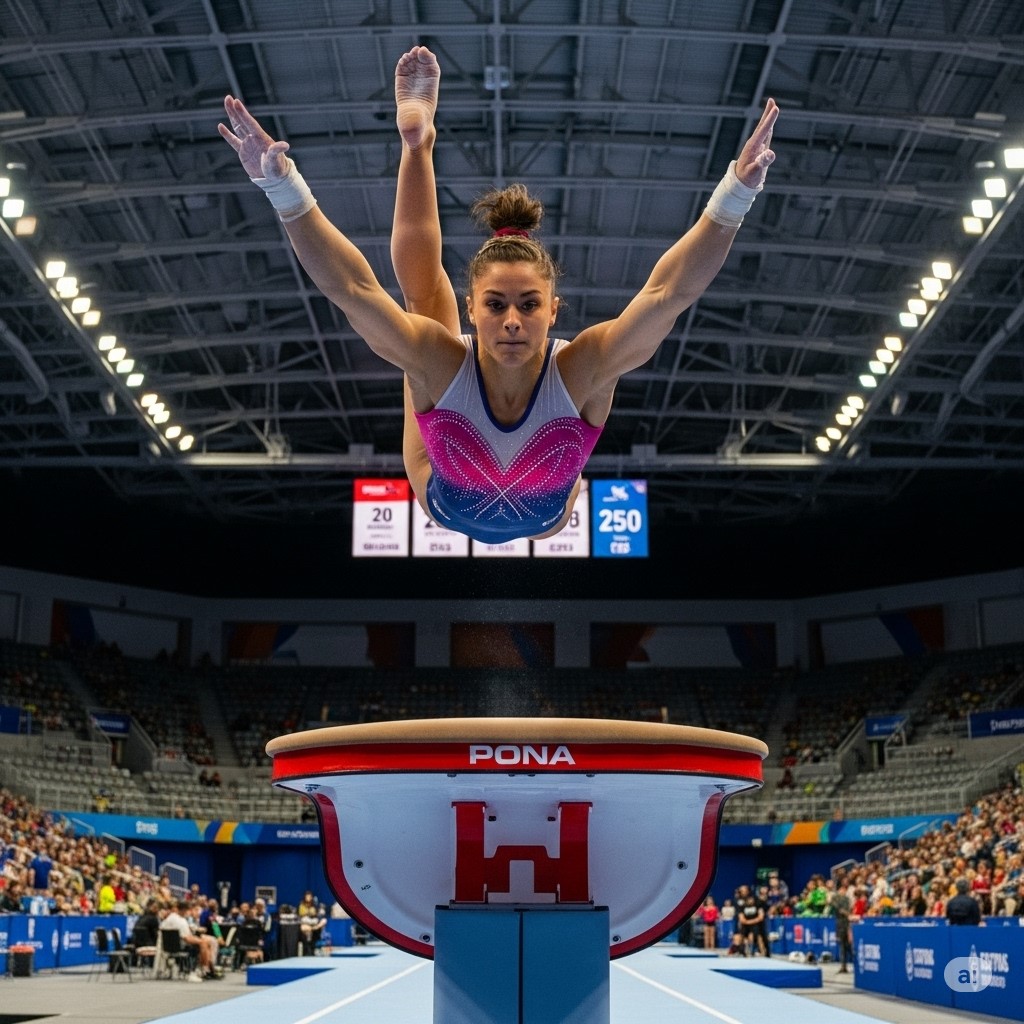
Vault Gymnastics: A Complete Guide to the Dynamic Sport
Vault Gymnastics stands as one of the most explosive and thrilling disciplines in the gymnastics world. Known for its combination of power, speed, and aerial precision, this sport continues to captivate audiences globally. Vault Gymnastics features prominently in Olympic competitions, but its influence goes far beyond elite levels. It plays a significant role in youth athletics, school programs, and even cultural identity in various regions. In this blog post, we explore the origin, history, global appeal, amateur participation, professional leagues, political and social impact, and the rules that define Vault Gymnastics.
Origin and History of Vault Gymnastics
Vault Gymnastics traces its roots back to ancient times. Early forms of vaulting were practiced by ancient Greeks as part of military training. Soldiers would use similar movements to leap over obstacles in full armor. These athletic techniques evolved with Roman gladiators and medieval acrobats. The core principle of combining running speed with acrobatic leaps endured.
In the 19th century, Friedrich Ludwig Jahn, a German educator, standardized vaulting equipment. Jahn introduced the vaulting horse, which resembled the apparatus used today. His work in physical education helped institutionalize gymnastics across Europe. Vaulting soon became a mainstay in school systems and military academies.
The modern version of Vault Gymnastics began to take shape in the early 20th century. The International Gymnastics Federation (FIG) included vaulting in its events list by 1896, the year of the first modern Olympics. For many years, male gymnasts used the vaulting horse placed lengthwise. Female gymnasts adopted the event in 1952.
A major shift occurred in 2001. The traditional vaulting horse was replaced by the “vaulting table.” This new equipment improved safety and allowed for greater variation in skills. The vaulting table remains the standard apparatus in competitions today.
Global Popularity of Vault Gymnastics
Vault Gymnastics enjoys widespread popularity across continents. It is most recognized in countries with a rich tradition in artistic gymnastics. The United States, Russia, China, and Japan dominate in international competitions. These countries have invested heavily in training programs, facilities, and youth development.
European nations also perform well in Vault Gymnastics. Countries like Romania, Germany, and the United Kingdom have produced top-tier athletes. Brazil and Canada have shown increased performance and participation over the last two decades.
In Asia, China and Japan lead in technical execution. South Korea and India have invested in gymnastics academies. These investments aim to nurture young talent and promote Vault Gymnastics as part of broader athletic programs.
Australia and New Zealand maintain competitive programs with a focus on school and community-level participation. Africa, while not yet dominant on the world stage, has begun introducing more youth programs. Nations like Egypt and South Africa are building gymnastics infrastructures.
South American countries such as Colombia, Chile, and Argentina have seen a recent rise in interest. This growth can be attributed to media exposure and success stories of local gymnasts competing internationally.
Amateur Vault Gymnastics and Youth Participation
Amateur participation in Vault Gymnastics is thriving globally. Youth programs form the backbone of the sport. Schools, community centers, and private gymnastics clubs provide the foundation for young athletes.
In the United States, the Junior Olympic Program organizes youth gymnastics across age levels. This program includes a clear path from beginner levels to elite training. Vault Gymnastics features in local, state, and national competitions.
Europe has adopted similar models. Germany and France offer structured development pipelines through public schools and sports academies. British Gymnastics runs nationwide youth competitions where vault events are a key component.
Asia has seen rapid growth in school-based gymnastics. Japan incorporates Vault Gymnastics into physical education. China identifies talent early through scouting programs in primary schools. Young athletes then enter specialized sports schools.
India and Southeast Asia are catching up. The Indian Gymnastics Federation has initiated campaigns in schools. These efforts aim to increase awareness and provide basic training facilities.
In South America, vault training is often introduced through community sports initiatives. Clubs in Brazil and Argentina run scholarship programs for underprivileged youth. These programs include nutritional support and academic tutoring.
African nations focus on accessibility. Mobile gymnastics units travel to rural areas. They bring equipment and coaches to communities that lack sports infrastructure. These efforts aim to create inclusive opportunities.
Professional Leagues and Competitions
Vault Gymnastics is featured prominently in many professional gymnastics leagues. The most prestigious events include the Olympic Games, World Championships, and the World Cup Series.
The International Gymnastics Federation (FIG) governs these elite competitions. Vault events play a significant role in scoring. A gymnast’s vault score can determine the outcome of all-around and team competitions.
The Olympics remain the pinnacle. Gymnasts train for years to compete on this stage. Vault performances often deliver some of the most memorable Olympic moments.
The FIG World Cup Series offers gymnasts year-round competitive opportunities. These events are held in cities around the globe. Points are accumulated across events for ranking.
Professional gymnastics leagues in the United States include USA Gymnastics and NCAA collegiate competitions. NCAA vault events are broadcast widely. These competitions attract large audiences and sponsors.
In Russia, the National Artistic Gymnastics League features some of the sport’s top athletes. China’s National Games serve as qualifiers for international events. These competitions showcase incredible talent.
Japan hosts the All-Japan Gymnastics Championships. These decide who are the national team members. The level of competition is extremely high. Vault Gymnastics is a centerpiece event.
Europe has club-based leagues similar to football structures. Teams from cities compete in national and continental tournaments. Vault specialists contribute critical points.
Political and Social Significance
Vault Gymnastics carries significant political and social importance. It has often been used as a tool for national pride. Countries see success in gymnastics as a sign of global standing.
During the Cold War, the USSR and the United States used gymnastics as a soft power tool. Vault medals were counted as national achievements. These performances shaped public perception.
Today, developing nations use gymnastics programs to uplift youth. Participation provides purpose and structure. Programs in economically challenged areas build confidence and life skills.
Socially, Vault Gymnastics promotes gender equity. Female athletes have gained international fame through vault performances. Nadia Comaneci and Simone Biles changed public attitudes toward women in sports.
Inclusion efforts are growing. Adaptive gymnastics now features vault events for athletes with disabilities. These competitions inspire and educate audiences.
Gymnastics also promotes discipline and teamwork. It brings together communities across cultural and social divides. Competitions often foster international friendship and cooperation.
Media coverage elevates gymnasts to celebrity status. Influencers and athletes use their platforms to advocate for social causes. Vault Gymnastics provides a stage for these voices.
Rules and Scoring of Vault Gymnastics
Vault Gymnastics events follow strict rules set by the FIG. Each gymnast performs one or two vaults, depending on the competition format. The final score combines difficulty and execution.
The vault begins with a sprint down a 25-meter runway. Gymnasts hit a springboard to launch onto the vaulting table. From there, they perform flips, twists, and land.
A panel of judges scores each vault. The difficulty score is based on the complexity of the vault. Each move has a value in the Code of Points.
Execution is scored out of 10. Judges deduct points for form breaks, balance checks, or imperfect landings. The two scores are then added together.
Precision is mandatory. Athletes must stick the landing or risk deductions. Touching the mat with hands or falling results in major point losses.
At elite levels, gymnasts often perform two different vaults. The average of the two scores determines the final result. In team events, the highest scores are combined for a team total.
Apparatus specifications are also regulated. The vaulting table is 1.25 meters high. Springboards must meet FIG standards for tension and material.
Competitions require certified judges. All scoring must follow FIG guidelines. Athletes undergo equipment checks and warm-up routines under supervision.
Conclusion
Vault Gymnastics remains one of the most awe-inspiring sports in the world. It combines strength, speed, agility, and artistic expression in a unique way. From ancient military roots to modern Olympic glory, this discipline has evolved dramatically.
Its global reach continues to grow. Nations invest in infrastructure and youth development to cultivate new talent. The sport has become a symbol of pride, empowerment, and excellence.
With rigorous rules and high-stakes competitions, Vault Gymnastics pushes human performance to new heights. Amateur and professional athletes alike dedicate years to mastering the vault.
Vault Gymnastics is more than a sport. It’s a cultural force, a social tool, and a thrilling spectacle. Whether you’re a fan, athlete, or coach, its impact is impossible to ignore.