
The Thrill of Vintage Racing: History, Rules, and Global Impact
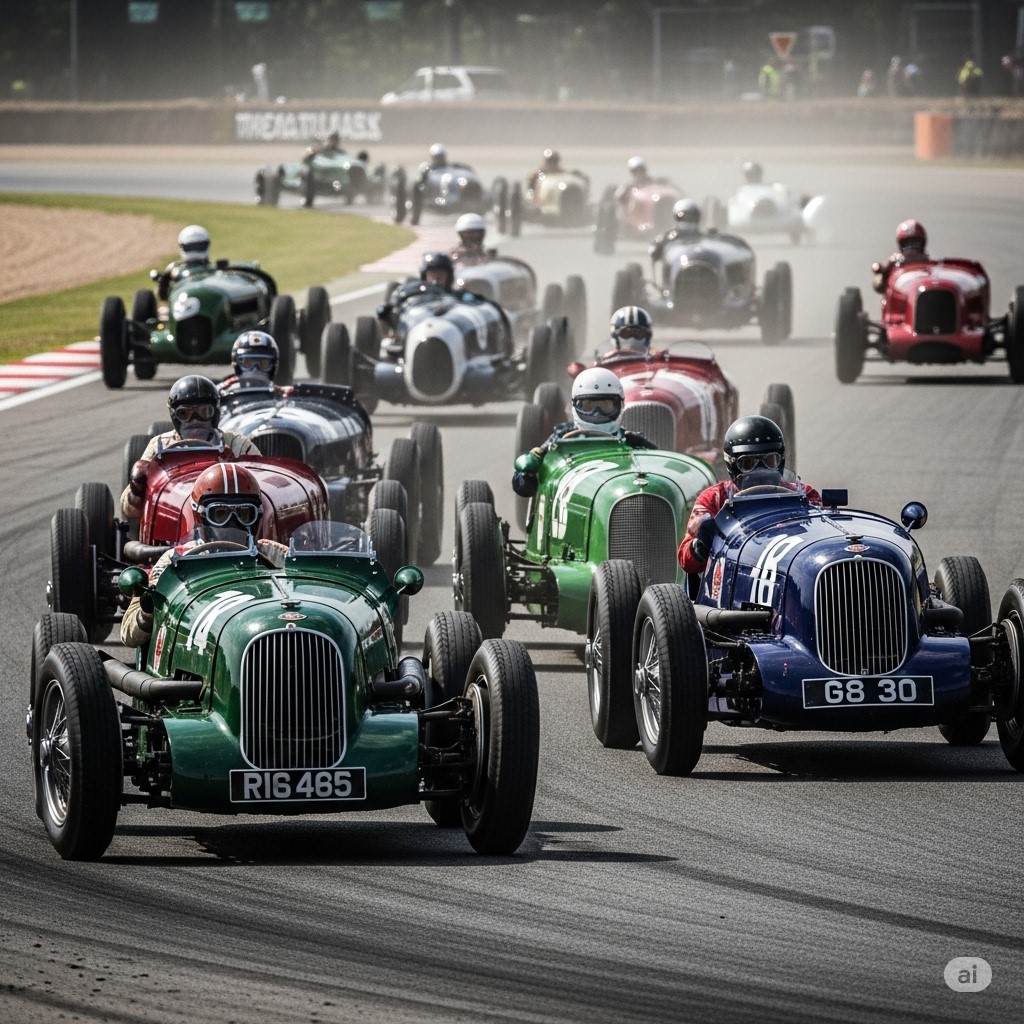
Vintage Racing is more than just a sport. It’s a thrilling celebration of history, engineering, and the human spirit. This high-octane activity brings classic racing cars back to life on the world’s most iconic tracks. Unlike modern motorsport, it emphasizes tradition, camaraderie, and preservation. The vibrant energy of these historic vehicles offers a rare connection to racing’s golden age.
Throughout this post, we’ll explore every key element of Vintage Racing. From its roots in early motorsport to its current global popularity, the story of Vintage Racing is rich and detailed. We’ll also examine how amateurs and professionals participate, the social significance of the sport, and the exact rules that govern it. Whether you’re a lifelong racing fan or just curious about this unique discipline, you’ll find plenty of engaging insights here.
Origins and History of Vintage Racing
Vintage Racing dates back to the early 20th century. As the automobile gained popularity, so did competitive driving. In those days, races often took place on public roads or makeshift tracks. Iconic events such as the Mille Miglia (established in 1927) and the Targa Florio (founded in 1906) drew massive crowds and fierce competitors.
After World War II, racing technology advanced rapidly. Newer, faster vehicles started dominating the scene. However, many enthusiasts still cherished the charm of older models. These classic machines told stories of simpler engineering and fearless drivers. To preserve this legacy, Vintage Racing events began to emerge.
The 1970s marked a turning point. Clubs and organizations around the world started hosting events specifically for classic cars. The Historic Sports Car Club (HSCC) in the UK and the Sportscar Vintage Racing Association (SVRA) in the United States were among the pioneers. Their goal was simple: keep the spirit of early racing alive while ensuring safety and enjoyment.
Global Popularity of Vintage Racing
Today, Vintage Racing enjoys a loyal following on nearly every continent. Enthusiasts from Europe, North America, Asia, and Australia participate in and attend these events in huge numbers.
In Europe, countries like the United Kingdom, Italy, and France lead the way. Events such as the Goodwood Revival in England attract thousands of spectators every year. Attendees dress in period clothing and enjoy races featuring cars from the 1920s through the 1970s. Italy hosts the Mille Miglia Storica, a re-creation of the original race using vintage cars only. France offers the Le Mans Classic, another standout event celebrating motorsport history.
North America also embraces Vintage Racing. The Monterey Motorsports Reunion in California is one of the biggest events in the United States. It showcases hundreds of historic cars, many of which are valued at millions of dollars. Canada and Mexico host their own events, though on a smaller scale.
Asia is catching up quickly. Japan, known for its car culture, hosts races at legendary tracks like Fuji Speedway. Meanwhile, Australia offers events like the Phillip Island Classic, attracting racers from around the globe.
As travel and communication improve, international competitions are becoming more common. Vintage racers often ship their cars across oceans to compete in prestigious events. This level of dedication shows the sport’s growing appeal and cultural importance.
Amateur Vintage Racing Around the World
You don’t need to be a millionaire or a professional driver to participate in Vintage Racing. Amateurs make up a large part of the community. These individuals restore classic cars in their garages, often with limited resources but boundless passion.
In the United States, amateur Vintage Racing is especially accessible. Organizations like the SVRA and the Vintage Motorsports Council help coordinate events for drivers of all skill levels. Membership typically includes safety training, technical inspections, and access to track days. Entry-level classes allow beginners to compete in a safe, supportive environment.
Europe offers similar opportunities. The Classic Touring Car Racing Club (CTCRC) in the UK encourages amateur participation. Events are structured to accommodate different vehicle types and driver experience levels. Countries like Germany and the Netherlands also maintain strong grassroots racing communities.
In Asia, amateur Vintage Racing is steadily growing. Japan has a robust car culture, and many enthusiasts modify older Japanese models for racing. While access to historic European cars can be limited, local adaptations are common.
School-level involvement, although rare, does exist. Some automotive technical schools restore old cars as class projects, later racing them at local events. These initiatives help train the next generation of engineers and drivers. Youth clubs and educational programs sometimes collaborate with vintage racing groups to promote interest among teenagers.
Professional Leagues and International Bodies
While most Vintage Racing is amateur-focused, several professional organizations govern the sport globally. These leagues maintain safety standards, promote international events, and support the restoration of historic vehicles.
The Federation Internationale de l’Automobile (FIA) oversees many international Vintage Racing regulations. Its Historic Motor Sport Commission sets classification rules and maintains an international racing calendar. The FIA also issues Historic Technical Passports (HTPs), which certify the authenticity of a race car.
In the UK, the Historic Sports Car Club (HSCC) plays a leading role. It organizes multiple championships for classic vehicles, including single-seaters, touring cars, and GTs. The HSCC maintains strict adherence to historical accuracy.
In the United States, the Sportscar Vintage Racing Association (SVRA) is the largest body. It manages events across the country, including those at renowned circuits like Sebring, Laguna Seca, and Road America. SVRA emphasizes safety while preserving the unique charm of vintage competition.
Australia’s Historic Racing Car Club (HRCC) is also notable. It runs multiple classes and collaborates with other clubs to stage large-scale events. Meanwhile, Japan’s Historic Formula One Championship draws attention with classic Grand Prix cars from the 1970s and 1980s.
These organizations work together to promote fair play, safety, and historical preservation. Their collaboration ensures that Vintage Racing continues to grow without losing its core values.
Political and Social Significance of Vintage Racing
Though it may seem niche, Vintage Racing holds deep political and social relevance. The sport acts as a living museum, preserving industrial history and craftsmanship. It honors the engineering milestones of different eras and the cultures that produced them.
Socially, Vintage Racing brings people together. Events are inclusive and family-friendly. Unlike some forms of motorsport, vintage races often focus more on enjoyment than pure competition. Fans admire the vehicles as much as the racing itself. This creates a unique, community-oriented atmosphere.
Politically, the sport contributes to discussions about environmental sustainability and heritage conservation. Vintage cars don’t meet modern emission standards, but their usage is minimal compared to daily drivers. In fact, many countries offer special exemptions for historic vehicles. These policies recognize the cultural value of these cars.
In the European Union, historic racing events are often supported by local governments. Towns benefit economically from tourism and hospitality. The Mille Miglia, for example, brings millions of euros to Italian communities along the route.
In the United States, some states classify vintage race cars as “historical vehicles.” This status offers registration benefits and acknowledges their significance in American automotive history.
By celebrating the past, Vintage Racing also encourages sustainable practices. Restoration and reuse align with values of recycling and preservation. The sport thus strikes a balance between performance and responsibility.
Rules and Regulations of Vintage Racing
Vintage Racing follows a well-defined set of rules to ensure safety, fairness, and historical accuracy. While specifics vary by organization, several principles remain consistent worldwide.
1. Vehicle Eligibility
Cars must be a certain age to qualify. Most events accept vehicles built before a cutoff year, often 1975 or 1980. Organizers categorize cars by decade, type, and engine size. Original specifications must be retained unless safety upgrades are required.
2. Authenticity Standards
Vehicles must maintain historical accuracy. This includes paint schemes, interior fittings, and engine configurations. Modifications that were not available during the car’s era are usually banned. Scrutineering teams inspect each car before a race.
3. Safety Equipment
Despite the historical focus, safety comes first. Cars must include modern fire suppression systems, roll cages, and seat belts. Drivers wear fireproof suits, helmets, and HANS devices. These rules protect participants without compromising aesthetics.
4. Licensing and Training
Drivers often need a special racing license. Training programs and practice sessions are required for new entrants. Some events allow novice drivers under supervision, promoting inclusivity.
5. Race Format
Most races follow a format similar to modern motorsport. Qualifying sessions determine grid positions. Races may last from 20 minutes to several hours. Some events include endurance races with multiple drivers per team.
6. Conduct and Penalties
Sportsmanship is crucial. Dangerous driving or overtaking in unsafe areas results in penalties. Organizers enforce strict rules to protect drivers and preserve the reputation of the sport.
These regulations strike a balance between heritage and modern expectations. They allow Vintage Racing to remain thrilling yet responsible.
The Future of Vintage Racing
Looking ahead, the future of Vintage Racing appears bright. Interest continues to grow, particularly among younger audiences. Social media and video platforms bring the beauty of historic cars to new fans worldwide.
Environmental challenges may influence the sport. However, limited usage and a focus on restoration make Vintage Racing more sustainable than it seems. Electric conversions are also being explored, though opinions are divided.
Virtual reality and simulation technology may play a role as well. Sim racing platforms could introduce more people to the world of historic motorsport. This digital trend may complement rather than replace real-world racing.
Collaboration between international organizations will be vital. Shared standards, travel arrangements, and cross-border events will support growth and diversity. These efforts will ensure that the values of Vintage Racing endure for generations.
Conclusion
Vintage Racing is a captivating fusion of history, passion, and performance. Its global appeal lies in its ability to celebrate the past while thrilling modern audiences. From amateur mechanics to seasoned professionals, participants cherish the authenticity and camaraderie of this sport.
The rules preserve historical integrity without sacrificing safety. Social and political benefits add further depth, proving that this sport is more than just spectacle. It is a moving tribute to the automobile’s most iconic eras.
As the world moves forward, Vintage Racing continues to remind us where we’ve come from. It is not merely a pastime; it is a cultural legacy on wheels.
Whether you hear the roar of a 1960s Ferrari at Goodwood or witness a vintage Mustang charging through Laguna Seca, one thing is clear. Vintage Racing is here to stay.