
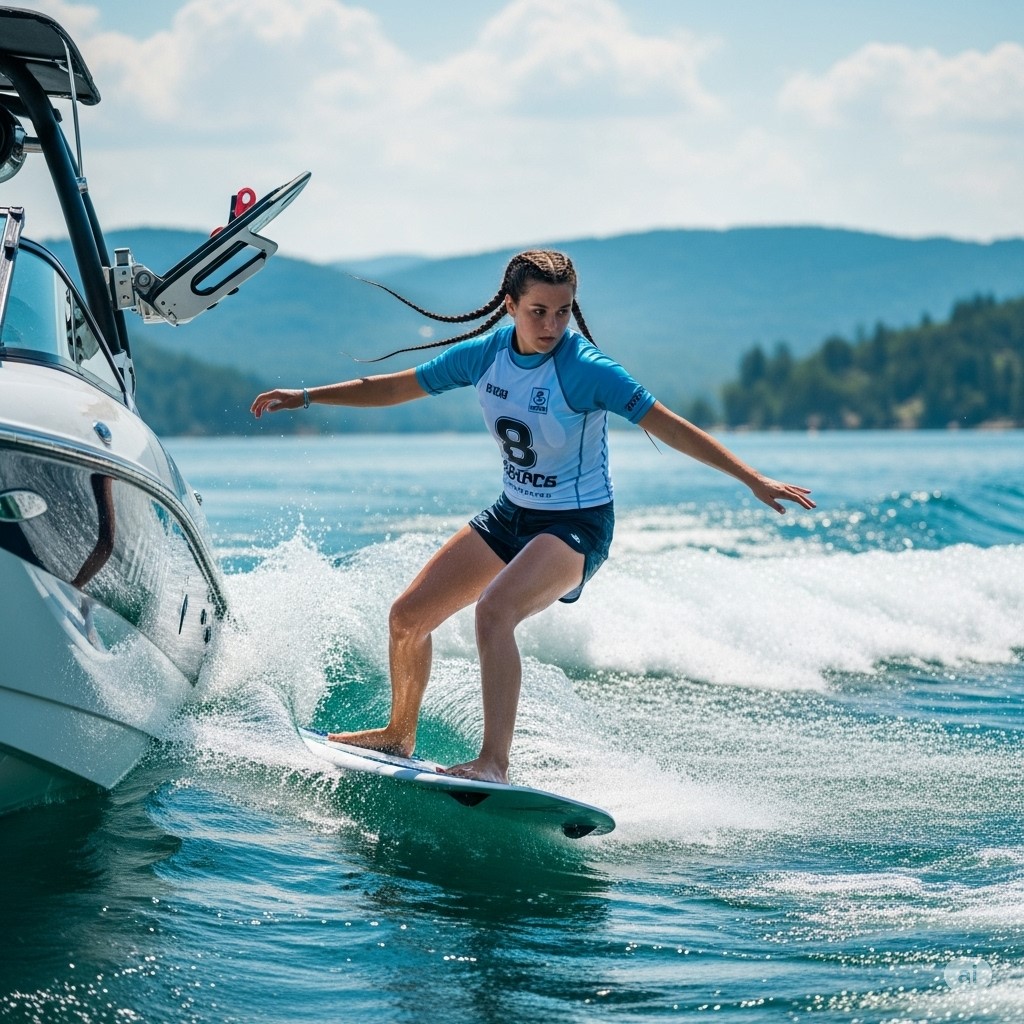
Riding the Endless Wave: A Deep Dive Into the World of Wakesurfing
Wakesurfing has exploded in popularity across the globe over the past few decades. This thrilling watersport combines the excitement of surfing with the accessibility of wakeboarding. Athletes ride the endless wave created by a boat instead of relying on ocean tides. From casual riders to elite professionals, the sport draws a diverse and passionate community. In this post, you’ll discover the fascinating history of wakesurfing, its global rise, amateur involvement, professional leagues, social and political relevance, and the sport’s essential rules.
Let’s dive into the vibrant and adrenaline-fueled world of wakesurfing.
The Origin and History of Wakesurfing
The roots of wakesurfing stretch back to the early days of water sports in the United States. In the 1950s and 1960s, water enthusiasts started experimenting with surfing behind boats. Riders would trail behind motorboats on homemade boards, testing their balance on small, uneven wakes. The gear was primitive, and there were no official techniques or safety protocols.
Throughout the 1970s and 1980s, wakeboarding started to evolve. Companies began manufacturing boards specifically designed for riding behind boats. These early innovations laid the groundwork for wakesurfing to emerge as its own sport.
By the 1990s, technological advancements in boat design made wakesurfing a viable pursuit. Inboard boats with ballast systems allowed for the creation of large, smooth wakes. Riders could now let go of the tow rope and ride the wave freely. This was a significant breakthrough. It turned wakesurfing from a novelty into a legitimate sport.
The 2000s saw a rapid expansion. Specialized wakesurf boards entered the market. Wake-specific boats, designed to produce ideal waves, became widely available. Events and competitions started popping up across the United States. Soon after, the rest of the world caught on.
By 2010, wakesurfing had developed its own identity, separate from wakeboarding and surfing. Today, it boasts an international following, an expanding youth scene, and a growing professional circuit.
Global Popularity and Where Wakesurfing Is Played
Wakesurfing is now enjoyed on lakes, rivers, and calm coastal waters around the world. The sport is especially popular in North America, where it first gained momentum. In the United States, hotspots include Lake Powell in Utah, Lake Austin in Texas, and Lake Havasu in Arizona. Canada also boasts a large wakesurfing community, particularly in British Columbia and Ontario.
Europe has embraced wakesurfing as well. Countries like Germany, France, Italy, and Switzerland host frequent events. The Alps provide scenic and clean water bodies perfect for the sport.
Asia is quickly becoming a major player. China, South Korea, and Japan have all invested in facilities and events to promote the sport. Lake Biwa in Japan and Qiandao Lake in China attract large crowds each season.
In the Southern Hemisphere, Australia and New Zealand feature strong wakesurf cultures. South Africa also hosts several international tournaments annually.
Each year, the list of countries participating in wakesurfing events grows longer. The sport’s accessibility contributes to this expansion. You don’t need an ocean, just a boat, a board, and a calm body of water.
Social media has also played a vital role in the sport’s global popularity. Videos showcasing stylish tricks, beautiful locations, and skilled riders inspire viewers worldwide to try wakesurfing.
How Amateur Wakesurfing Is Played Worldwide
Amateur wakesurfing provides a foundation for the sport’s long-term growth. Across the globe, beginners are joining local clubs, attending camps, and participating in friendly competitions.
In North America, many lakeside communities offer wakesurf schools. These programs teach children, teens, and adults the basics of safety, stance, and technique. Equipment is usually provided, making entry easy.
Public and private schools in the U.S. and Canada have started incorporating wakesurfing into summer programs. Some even offer it as an elective sport. These initiatives are helping young athletes develop early.
In Europe, the trend is similar. Wakesurf academies in France, Germany, and Italy run seasonal training camps. These camps offer intensive instruction from experienced coaches. Many also organize amateur contests to give students a taste of competition.
Australia and New Zealand have adopted a youth-focused approach. Government-supported recreational programs encourage children to get involved in water sports, including wakesurfing. These efforts are helping nurture a new generation of riders.
Asia’s amateur scene is growing rapidly. China, in particular, has invested heavily in building wakesurf parks. These controlled environments are perfect for beginners. South Korea’s urban population has taken to the sport as a trendy, social activity.
Social media and video platforms further support the amateur scene. New riders often share their progress online. This creates a sense of community and makes learning more approachable.
With beginner-friendly gear and increased access to instruction, wakesurfing has never been more accessible to the average person. Amateur events remain vital. They provide a safe and encouraging environment for people to improve their skills.
Professional Leagues and Organizations Around the World
As the sport matured, several professional wakesurfing organizations formed to standardize competitions and promote elite talent.
The Competitive Wake Surf Association (CWSA)
The CWSA is the largest global governing body for wakesurfing. Founded in 2012, it manages a worldwide ranking system. It also sanctions events in North America, Europe, and Asia. The CWSA plays a critical role in enforcing fair play and encouraging growth.
CWSA events are divided into categories based on skill level. These include Amateur, Outlaw, and Pro. The Pro division attracts the top wakesurfers from around the world.
World Wake Surf Championship
This annual event is the crown jewel of professional wakesurfing. Held at rotating international locations, the championship invites top-ranked athletes from the CWSA tour. The competition includes both skim and surf-style categories.
Riders are judged based on difficulty, execution, and style. The event draws large crowds and global streaming audiences. Winning this championship is the pinnacle of achievement in the sport.
Regional Leagues and Circuits
In the United States, several state-level circuits feed into national competitions. The Texas Wakesurf Championship and Lake Anna Wake Surf Open are well-known events.
Europe hosts the European Wakesurf Tour, which includes events in France, Switzerland, and Italy. It attracts both emerging and established pros.
Asia’s contribution continues to grow. China hosts the Asian Wakesurf Open, a major stop on the international calendar. South Korea’s Korea Wakesurf League is also gaining recognition.
The professionalism of these organizations has brought greater visibility to wakesurfing. Prize money, sponsorships, and media coverage continue to increase. As a result, more young athletes view wakesurfing as a viable professional career.
Social and Political Significance of Wakesurfing
Wakesurfing is more than just a sport. It holds growing social and political relevance, particularly in how it intersects with environmental issues, youth development, and tourism.
Environmental Awareness
Many wakesurfing enthusiasts advocate for clean water and conservation. Since the sport relies on calm, unpolluted lakes, environmental sustainability becomes personal. Organizations like “Wake Responsibly” promote eco-conscious boating practices. These include maintaining safe distances from shorelines and respecting wildlife habitats.
Wakesurfing communities often organize lake cleanups and support anti-pollution campaigns. In regions facing water quality issues, the sport helps bring attention to urgent environmental challenges.
Youth Empowerment
Involving young people in wakesurfing promotes physical fitness, confidence, and discipline. Youth camps and clubs foster leadership and teamwork. The sport provides an alternative to screen-heavy lifestyles and helps kids connect with nature.
In underserved areas, nonprofit organizations use wakesurfing to engage at-risk youth. These programs combine water sports with mentorship and education. As a result, they offer both recreation and social development.
Economic Impact and Tourism
Wakesurfing contributes to local economies through tourism. Popular lakeside destinations benefit from equipment rentals, lodging, boat sales, and events. Annual tournaments bring in thousands of visitors, generating revenue for small businesses.
Politically, some regions have passed legislation to regulate wakesurfing. These rules focus on environmental protection and safe boating practices. In most cases, cooperation between governments and wakesurfing associations has been constructive.
Wakesurfing can also promote inclusivity. Adaptive wakesurfing programs help individuals with disabilities enjoy the sport. These efforts enhance community spirit and demonstrate the sport’s versatility.
Rules and Fundamentals of Wakesurfing
Wakesurfing may seem simple, but it has a defined structure. Understanding the basic rules is essential for both safety and competition.
Equipment and Setup
- Boat: Must be inboard or V-drive. Outboard engines are dangerous due to exposed propellers.
- Board: Riders use either surf-style or skim-style boards. Each has unique design characteristics.
- Rope: Used only for getting up. Once riding the wave, the rope is released.
Safety Guidelines
- Always wear a life jacket.
- Never wakesurf behind an outboard or stern-drive boat.
- Ensure a spotter is present in the boat to watch the rider.
Getting Started
- Begin in the water with feet on the board.
- Hold the rope loosely.
- As the boat accelerates, let the board rise beneath you.
- Once standing, shift your weight to stay within the wake.
- Drop the rope when you’re balanced and riding the wave.
Competition Judging Criteria
In professional events, riders are scored based on:
- Difficulty: More technical tricks earn higher points.
- Execution: Smoothness and control are vital.
- Amplitude: Higher airs and longer rides impress judges.
- Style: Riders are rewarded for creativity and fluid motion.
Each rider has a limited time to showcase their best performance. Falls or mistakes can reduce the score. Judges typically use a panel format to ensure fairness.
There are no contact rules, as wakesurfing is an individual sport. However, unsportsmanlike behavior can lead to disqualification.
Conclusion
Wakesurfing is a thrilling and evolving sport that brings together innovation, athleticism, and community. From its humble beginnings behind early motorboats to today’s global competitions, the sport has traveled a long way. Countries around the world now embrace wakesurfing for its accessibility, excitement, and social value.
Whether you’re a beginner catching your first wave or a pro competing for a world title, the essence of the sport remains the same. It’s about flow, freedom, and connection — to the water, to others, and to yourself.
Now is the perfect time to dive into the wakesurfing lifestyle. The wave is rising — don’t miss it.