
The Timeless Appeal of Western Pleasure: A Deep Dive Into an American Equestrian Tradition
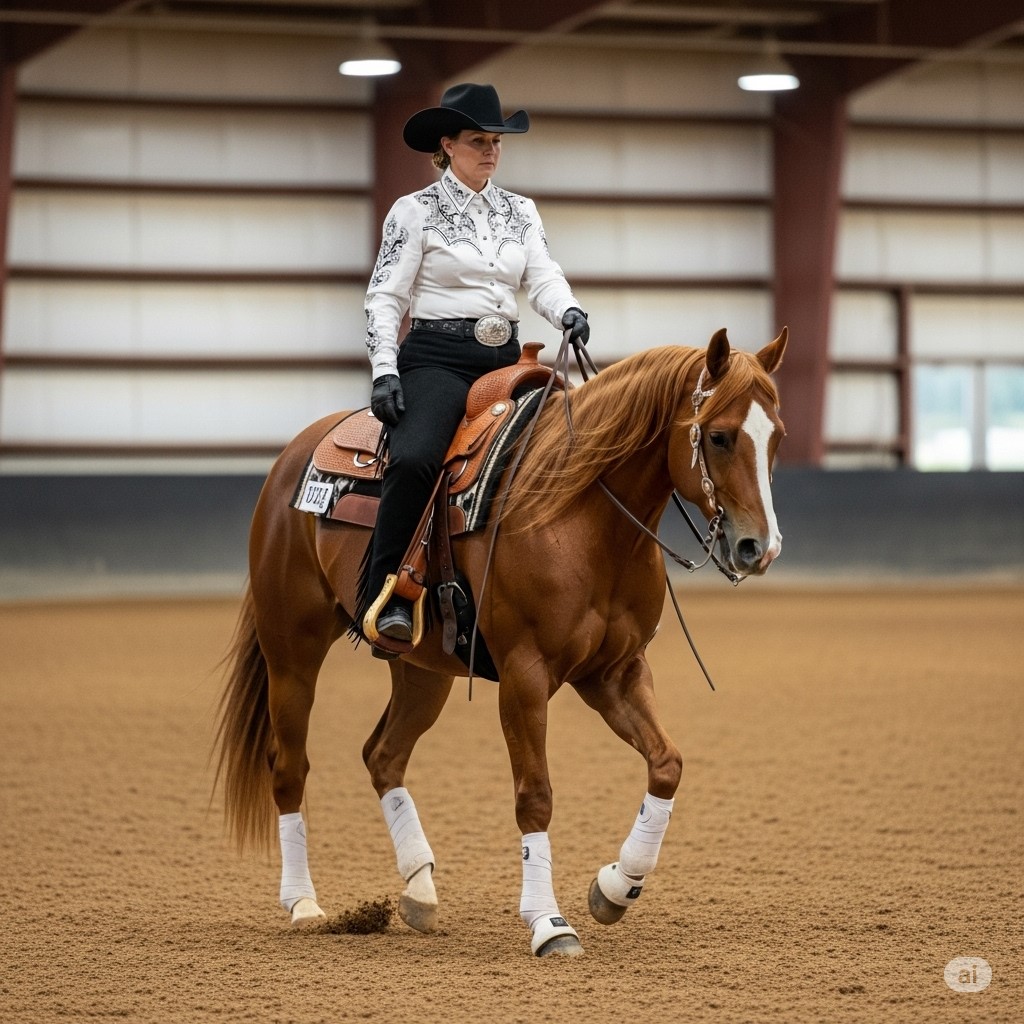
Western Pleasure is a unique and refined equestrian sport that traces its roots to the traditions of the American West. It emphasizes a horse’s calm demeanor, smooth gait, and responsive control. In today’s blog post, we will explore the origin and rich history of this sport. Additionally, we will discuss its popularity on a global scale. The post will also highlight how amateur riders, including youth and school programs, participate in Western Pleasure. Furthermore, we will examine professional leagues around the world. Finally, the political and social importance of this discipline will be addressed, along with a clear explanation of its rules. Western Pleasure stands as a cornerstone of Western-style riding, cherished by many for its beauty and grace.
Origins and Historical Development
Western Pleasure originated in the United States during the 19th century. Ranchers in the American West needed horses that were both calm and functional for long days on the trail. These horses had to move smoothly and respond to minimal cues from the rider. Over time, these working traits became formalized into what is now Western Pleasure.
During the late 1800s, rodeos began incorporating equestrian displays. Among these displays was a type of riding that emphasized elegance, poise, and control. Early Western Pleasure competitions were informal. They featured ranch hands competing in local fairs and gatherings. As horse shows became more organized in the 20th century, the sport gained structure.
By the 1940s, Western Pleasure classes had become a staple in major horse shows across the country. Organizations such as the American Quarter Horse Association (AQHA) began to codify rules and judging standards. Horses like the American Quarter Horse and Appaloosa became iconic in the discipline. Their smooth gaits and responsive natures made them ideal for the sport.
Global Popularity and Presence
Though Western Pleasure has its roots in the United States, the sport has spread far beyond North America. Countries like Canada, Germany, Australia, and Brazil now host Western Pleasure competitions. Each region brings its unique cultural flavor, but the core values of the sport remain consistent.
In Canada, Western Pleasure is a popular feature at regional horse shows. Australian riders incorporate the sport into broader Western-style competitions. Germany has established a growing base of enthusiasts. The German Paint Horse Association and other groups promote Western Pleasure in Europe. Brazil has embraced the discipline as part of its diverse equestrian community.
International events such as the All American Quarter Horse Congress and the AQHA World Championship Show draw competitors from across the globe. These events help to build international camaraderie and foster talent development. As the world becomes more connected, Western Pleasure continues to grow.
Amateur Participation: Youth and Schools
Western Pleasure is not limited to professionals. Thousands of amateur riders participate in the sport each year. Youth programs are especially robust in the United States and Canada. Organizations like 4-H, Pony Club, and FFA include Western Pleasure in their equestrian curriculums.
Many schools with agricultural or equestrian programs offer Western riding classes. These programs teach the basics of horsemanship, grooming, and showmanship. Students learn how to cue their horses subtly and how to perform a proper Western Pleasure pattern.
Youth competitions offer an accessible entry point. Riders as young as eight can participate in age-appropriate classes. These competitions emphasize safety, sportsmanship, and skill development. Junior rider divisions exist at local, regional, and national levels.
In higher education, colleges such as Texas A&M and Ohio State field competitive equestrian teams. Western Pleasure often forms a significant part of their riding programs. Intercollegiate Horse Show Association (IHSA) events include classes specifically for Western disciplines.
The global expansion of youth programs is encouraging. In Europe and South America, more riding schools now include Western Pleasure in their offerings. This expansion builds the next generation of competitors and enthusiasts.
Professional Leagues and Organizations
The professional side of Western Pleasure is structured through various associations. These groups create standards, organize competitions, and support rider development.
The American Quarter Horse Association (AQHA) is the most influential body. It sanctions shows, sets judging criteria, and maintains points systems for riders. AQHA competitions are divided into amateur, youth, and professional levels. The AQHA World Championship Show is the pinnacle event, offering significant prize money and prestige.
The National Snaffle Bit Association (NSBA) is another major player. This organization emphasizes horse futurities and provides a pathway for young horses and trainers. The NSBA World Championship Show is a must-attend for professionals in the sport.
Other regional bodies include the Paint Horse Association and the Appaloosa Horse Club. These groups maintain breed-specific competitions that often include Western Pleasure classes.
In Europe, the European Western Riding Association (EWU) oversees much of the competition. In Australia, the Australian Quarter Horse Association (AQHA) plays a similar role. These groups help elevate the sport globally and ensure consistent standards.
Many professional riders operate training businesses. They prepare horses and coach amateur riders for competition. Success in Western Pleasure often leads to careers in horse training, judging, or equestrian program management.
Political and Social Significance
Western Pleasure holds a unique position in equestrian culture. It represents a bridge between traditional ranch work and modern sport. Politically, it supports the agricultural and equestrian sectors. Horse shows bring economic activity to rural areas. They generate jobs, tourism, and business for local vendors.
Legislation around animal welfare often intersects with equestrian disciplines. Western Pleasure promotes humane training methods and horse care. Ethical training is a major concern. Leading associations publish guidelines to ensure that horses are treated fairly.
Socially, the sport builds community. Riders, trainers, and families travel together and form long-lasting bonds. Events often serve as social gatherings where people connect over shared interests.
The sport also promotes inclusivity. Programs exist for riders with disabilities. These adaptive riding programs help individuals experience the joy of riding and competition.
Western Pleasure fosters responsibility, discipline, and empathy. Riders must understand their horse’s body language and provide consistent care. These values extend beyond the show ring and influence daily life.
Rules and Judging Criteria
Western Pleasure competitions are governed by strict rules. These rules vary slightly between organizations but share common principles. The primary goal is to showcase a horse that is a pleasure to ride.
Judges look for smoothness, responsiveness, and consistency. Horses must perform at the walk, jog, and lope. Transitions between gaits must be fluid. Riders use light rein contact and minimal cues. The horse should appear relaxed and willing.
The tack and attire are specific. Riders wear Western-style shirts, jeans, boots, and hats. Horses are outfitted with Western saddles, bridles, and often silver accents. Turnout is important and contributes to the overall score.
Penalties are given for inconsistent gait, poor posture, or excessive cueing. Horses that pin their ears, swish their tails aggressively, or break gait lose points. The ideal Western Pleasure horse moves with a level topline and maintains a steady cadence.
Pattern classes are sometimes used. In these, riders follow a set sequence of movements. Judges assess precision, control, and flow. Pattern classes test both horse and rider in a more technical format.
Horses must be under control at all times. Safety is a key consideration. Riders can be disqualified for reckless behavior or mistreatment of the horse. Showmanship, while not judged directly, influences a rider’s success.
Scoring systems vary. Some shows use numerical scores, while others rank competitors. Consistency and show presence often determine the winner in close classes.
Conclusion
Western Pleasure combines tradition, skill, and artistry. Its origins in ranch life continue to shape its character. The sport has evolved into a global phenomenon with a strong community base. From youth competitions to professional leagues, opportunities exist for riders at every level.
The political and social importance of Western Pleasure should not be underestimated. It supports rural economies, promotes humane animal treatment, and builds inclusive communities. Its clear rules and standards ensure fair competition and horse welfare.
Whether you are a seasoned rider or a curious newcomer, Western Pleasure offers a welcoming and elegant entry into the world of equestrian sports. With its continued growth, the sport promises to inspire future generations of horse lovers around the globe.